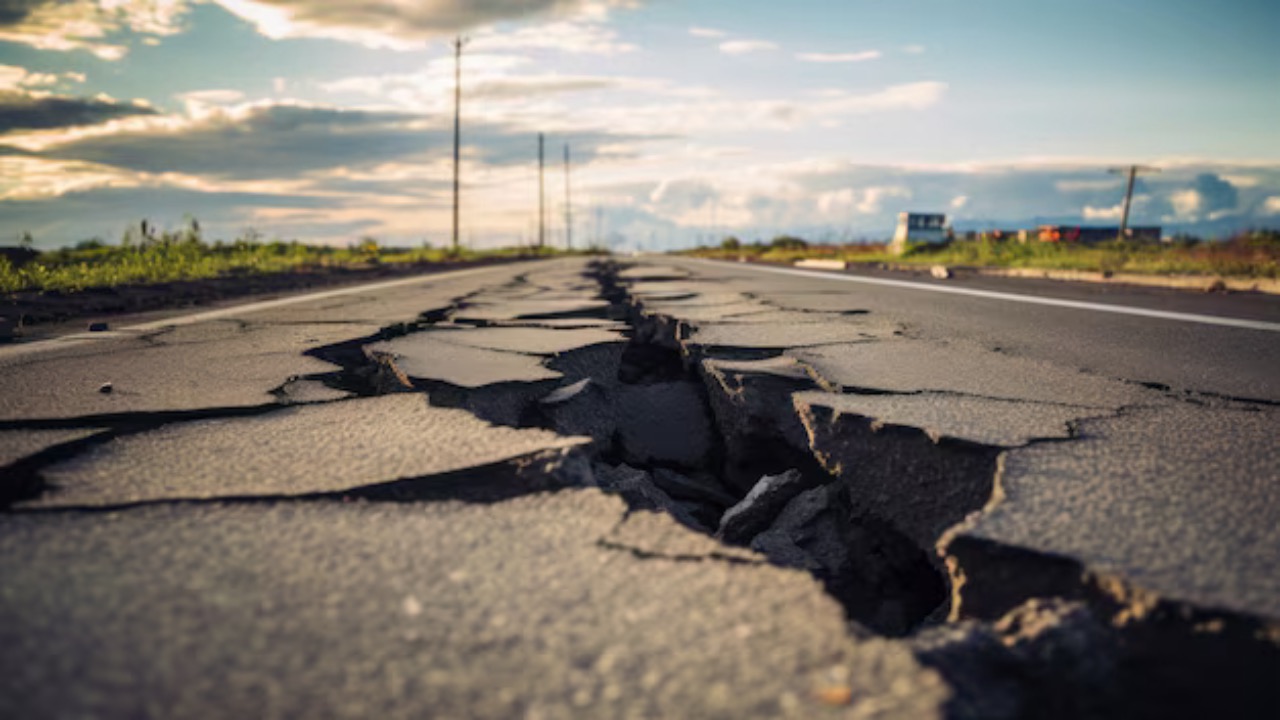
3.0 quake shakes South Carolina, tremors felt as far as Columbia
A 3.0 magnitude earthquake doesn’t sound like much on paper, but when it hits close to home, you feel it. Windows rattle. Dogs start barking. You pause mid-sentence and look around, wondering if a heavy truck just passed your house. This week’s quake in South Carolina was strong enough to remind you that even in the Southeast, the ground isn’t as still as it seems.
Tremors were reported as far away as Columbia, catching plenty of residents off guard. While no major damage has been reported, the event is a reminder that the region carries a long and complicated seismic history. Here’s what you should know.
Where the Quake Hit and How Far It Reached
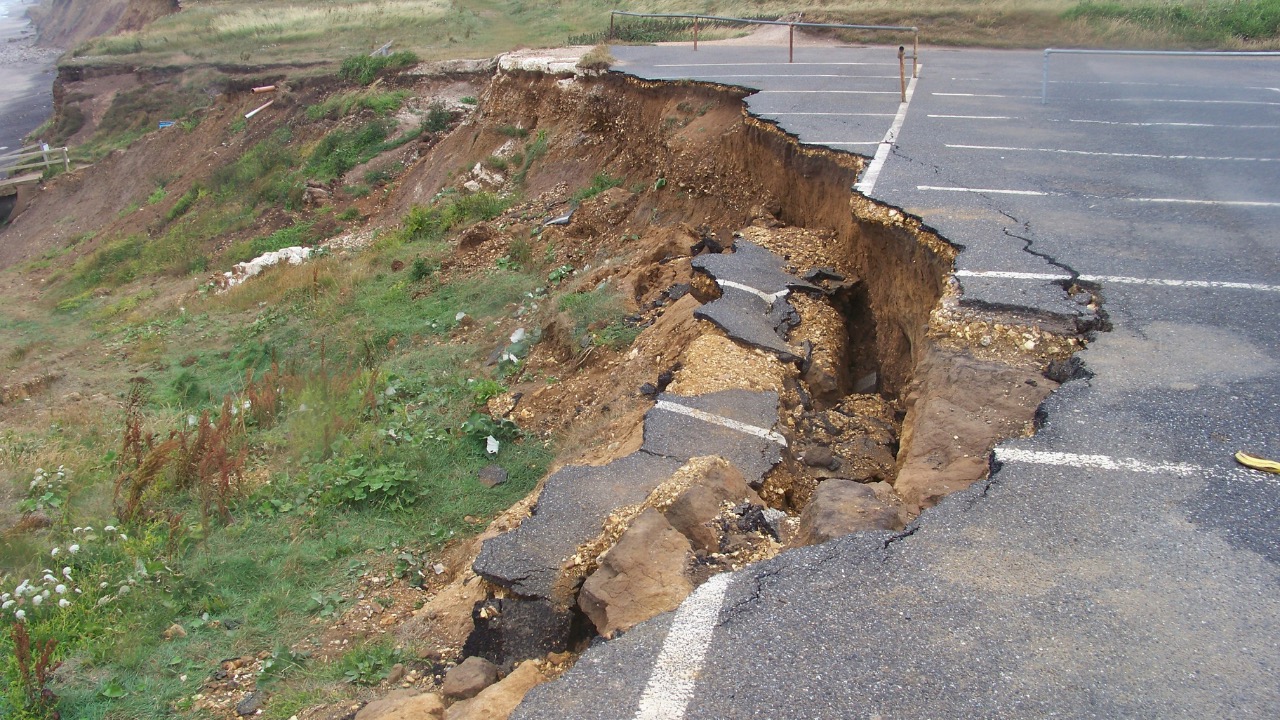
A 3.0 magnitude earthquake is considered minor, but it’s strong enough for people to feel indoors, especially if they’re sitting still. In this case, residents across parts of the Midlands reported brief shaking that lasted only a few seconds. You may have felt a sharp jolt followed by a subtle vibration, like someone bumped the foundation of your house.
What makes this event notable is how far the tremors traveled. In the Southeast, older and denser bedrock allows seismic waves to move more efficiently than in many western states. That means even a modest quake can be felt across a wider area, including population centers that aren’t directly above the epicenter.
What a 3.0 Magnitude Really Means
On the magnitude scale, a 3.0 sits on the lower end. You’re unlikely to see structural damage at that level, but you can expect noticeable shaking if you’re near the epicenter. Dishes may rattle. Hanging objects can sway. Light sleepers might wake up wondering what just happened.
The magnitude scale is logarithmic, meaning each whole number increase represents a significant jump in energy release. So while a 3.0 is minor, it still represents a measurable shift underground. Events like this are reminders that seismic activity isn’t reserved for the West Coast. The Southeast experiences small quakes every year, even if most go unnoticed.
The Role of the Charleston Seismic Zone
When earthquakes strike this part of the country, many geologists look toward the Charleston Seismic Zone. This fault system has a history that stretches back centuries and is responsible for the massive 1886 Charleston earthquake, one of the strongest ever recorded on the East Coast.
You may not live anywhere near Charleston, but seismic waves don’t respect city limits. Fault systems in this region are complex and not always visible at the surface. Small quakes like this one can be linked to ancient faults that still carry stress deep underground, even if they haven’t produced major events in generations.
Why Eastern Quakes Feel Different
If you’ve ever compared reports from California to those in the Carolinas, you might notice something interesting. A 3.0 in the West may barely register outside a small radius. In the East, you’re more likely to hear about it across multiple counties.
That difference comes down to geology. The older rock formations in the eastern United States transmit seismic energy more efficiently. So when the ground shifts, the vibrations travel farther with less energy loss. That’s why people in and around Columbia reported feeling this quake even if they were dozens of miles from the source.
How Agencies Track and Confirm the Event
Earthquakes like this are quickly analyzed and confirmed by the United States Geological Survey. Their seismic network detects ground motion in real time, calculating magnitude, depth, and location within minutes.
If you felt the shaking, you may have even submitted a “Did You Feel It?” report online. Those public submissions help scientists map the intensity of shaking across communities. It’s a reminder that modern monitoring is far more precise than it was decades ago, giving you clearer answers about what happened beneath your feet.
Aftershocks and What to Expect Next
With a 3.0 magnitude event, you’re unlikely to see a long string of aftershocks. Smaller follow-up tremors can occur, but they’re typically too weak to notice without instruments. In most cases, activity fades quickly.
That said, any earthquake is a release of built-up stress along a fault. It doesn’t predict a larger event, but it does show that the fault system is active. If you live in South Carolina, it’s worth understanding that minor seismic events are part of the region’s natural pattern, even if they don’t make national headlines.
Why Preparedness Still Matters
Even though this quake caused no significant damage, it’s a reminder to think through basic preparedness. You don’t need elaborate plans, but securing heavy furniture, knowing safe spots in your home, and having emergency supplies on hand are smart moves anywhere.
You might not associate the Southeast with earthquakes, but history shows the region is capable of stronger events. A 3.0 is mild. It’s the kind that rattles nerves more than walls. Still, it serves as a wake-up call that the ground under South Carolina isn’t immune to movement, and it pays to stay aware.

Asher was raised in the woods and on the water, and it shows. He’s logged more hours behind a rifle and under a heavy pack than most men twice his age.