Birds of Prey and Aggressive Species: Encounters That Warrant Caution in the Wild
You spend enough time in the field, and you start to notice a pattern—most wildlife wants nothing to do with you. That holds true even for predators. But there are moments when distance closes, instincts kick in, and things get tense in a hurry.
Birds of prey and a handful of aggressive species can put you in that position faster than you’d expect. It’s rarely random. Nesting season, food stress, or a perceived threat usually sets it off. If you know what to look for, you can read the situation early and avoid trouble. Here’s where caution matters most.
Bald Eagles Can Turn Defensive Around Nests and Food
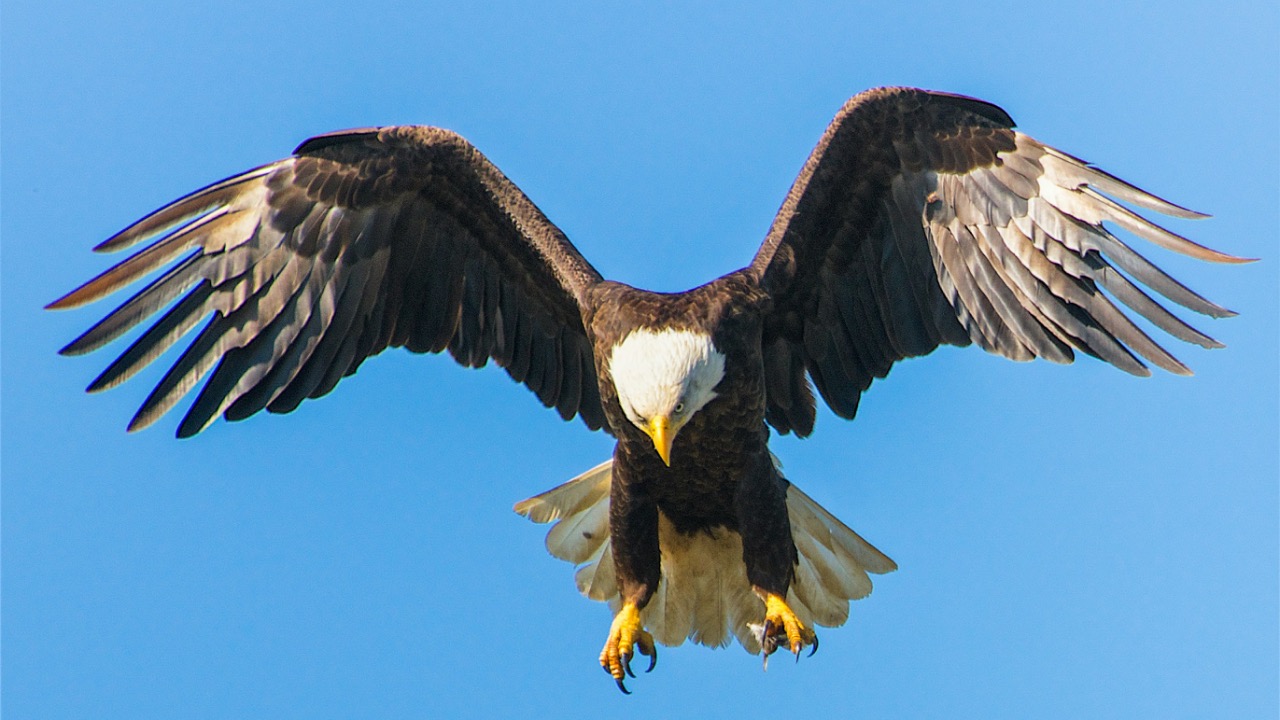
The Bald Eagle doesn’t go looking for people, but it won’t tolerate close pressure near a nest. During breeding season, adults guard hard. If you drift too close, you may hear sharp calls first, then see low passes overhead.
Most encounters stop at intimidation, but contact isn’t unheard of. Talons are built for gripping prey, not warning shots. The same goes around fresh kills or fish. If an eagle feels you’re crowding a food source, it may push you out. Give nests a wide buffer and don’t linger where birds are actively feeding.
Great Horned Owls Strike Fast and Quiet
A Great Horned Owl is built for silent flight, and that works against you if you’re not paying attention. Most reports of aggressive behavior come during nesting season, especially when hikers pass under occupied trees at dusk.
You won’t always get a warning. Some people feel the hit before they hear anything—a glancing strike to the head or shoulders. It’s defensive, not predatory, but it can draw blood. If you hear repeated hooting in one spot or notice birds reacting to you overhead, move on. A hat or even a raised stick can give you a little insurance if you have to pass through.
Red-Tailed Hawks Will Buzz Intruders
The Red-tailed Hawk is common across open country, and most of the time it keeps its distance. But when a nest is nearby, behavior changes fast.
You might see the bird circle tighter, then drop lower with each pass. That’s your signal. Some hawks will make contact if you keep moving toward the nest tree. These aren’t heavy hits, but they’re enough to get your attention. Step out of the area instead of pushing through. It’s a short-term problem tied to nesting, and it ends as quickly as it starts.
Northern Goshawks Are Among the Most Aggressive Raptors
The Northern Goshawk has a reputation for a reason. When it’s nesting, it defends territory harder than most raptors you’ll run into.
People working in timber or hiking through dense forest sometimes get dive-bombed repeatedly. These birds don’t bluff much. They’ll snap branches, strike, and stay on you until you leave. If you hear loud, rapid calls in thick cover and see a hawk weaving through trees, back out the way you came. This isn’t the place to stand your ground.
Ospreys Guard Nest Sites but Rarely Make Contact
The Osprey is more tolerant than most birds of prey, especially around water where people are common. Still, nesting birds will let you know when you’ve crossed a line.
You’ll hear high-pitched calls and see repeated passes overhead. It can feel aggressive, but actual strikes are rare. Most of the time, they’re trying to move you along, not hit you. Keep your distance from nesting platforms or shoreline trees, especially in spring. A little space keeps the encounter from escalating.
Swainson’s Hawks Can Be Surprising in Open Country
The Swainson’s Hawk doesn’t get talked about as much, but it can be assertive when nesting on prairie edges or in scattered trees.
You might be walking through what looks like open ground and suddenly get buzzed. That’s usually your first clue a nest is nearby. Like other hawks, it escalates if you keep closing distance. Turn off your line and give the area room. These birds settle down once you’re out of their zone.
Canada Geese Are Often More Aggressive Than Raptors
The Canada Goose isn’t a bird of prey, but it deserves mention. During nesting season, geese will stand their ground and come at you.
They hiss, spread wings, and charge. It catches people off guard because it happens in parks, boat ramps, and fields where you don’t expect conflict. While they can’t do serious damage, they can knock you off balance or land a solid hit with their wings. Keep your distance and don’t corner them, especially if goslings are nearby.
Crows and Ravens Will Mob Perceived Threats
Both American Crow and Common Raven are highly intelligent and quick to react. If they think you’re a threat to a nest, they’ll let you know.
Mobbing behavior starts with loud calls, then multiple birds may swoop in close. Contact is rare, but it can happen if pressure continues. This is more about harassment than attack, but it’s effective. Move through the area without stopping, and they’ll usually back off once you’re clear.
Pelicans Can Act Aggressive Around Feeding Areas
The American White Pelican isn’t something most people think of as aggressive, but feeding zones can change behavior.
If you get too close to a group working shallow water, you might see wing spreading, bill snapping, and short lunges. It’s not a true attack, but it’s a warning you’re crowding them. Give them room and they settle right down. Respecting feeding space goes a long way with these birds.
Most of these encounters don’t turn serious unless you ignore the warning signs. Birds tell you what they’re thinking—calls, posture, flight patterns. If you read it early and give them space, you’ll avoid trouble and keep moving.

Asher was raised in the woods and on the water, and it shows. He’s logged more hours behind a rifle and under a heavy pack than most men twice his age.