Animal Rights Activist Returns Restaurant Lobster to Harbor, Discovering It Belonged to Establishment’s Owner
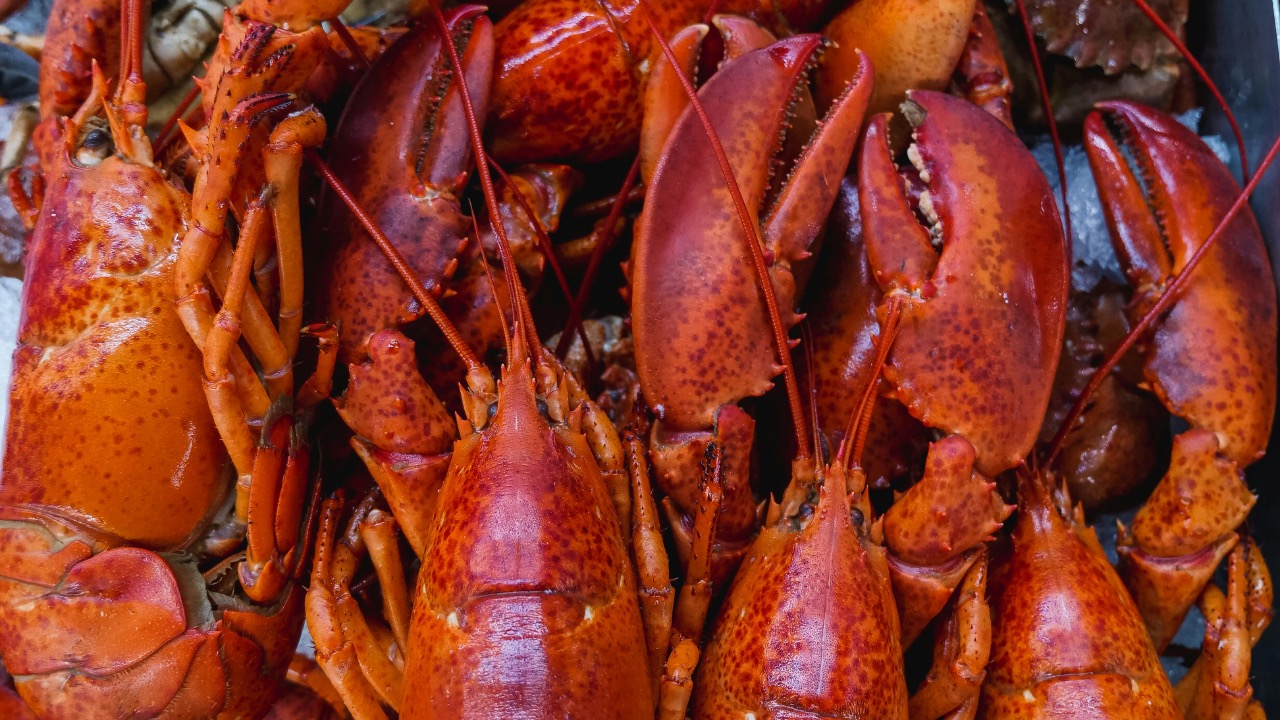
A recent incident at a coastal restaurant drew attention after an animal rights activist removed a lobster from the premises and released it back into the harbor, believing it was saving the animal from being cooked. The situation quickly took an unexpected turn when it was revealed the lobster actually belonged to the restaurant’s owner and was being temporarily kept for a planned dish.
The incident has since sparked discussion about activism, property rights, and misunderstandings that can happen when people intervene in restaurant or commercial food settings. While the activist’s intention was reportedly to prevent harm, the outcome highlighted how assumptions can lead to conflict when context is missing.
How the situation unfolded at the restaurant
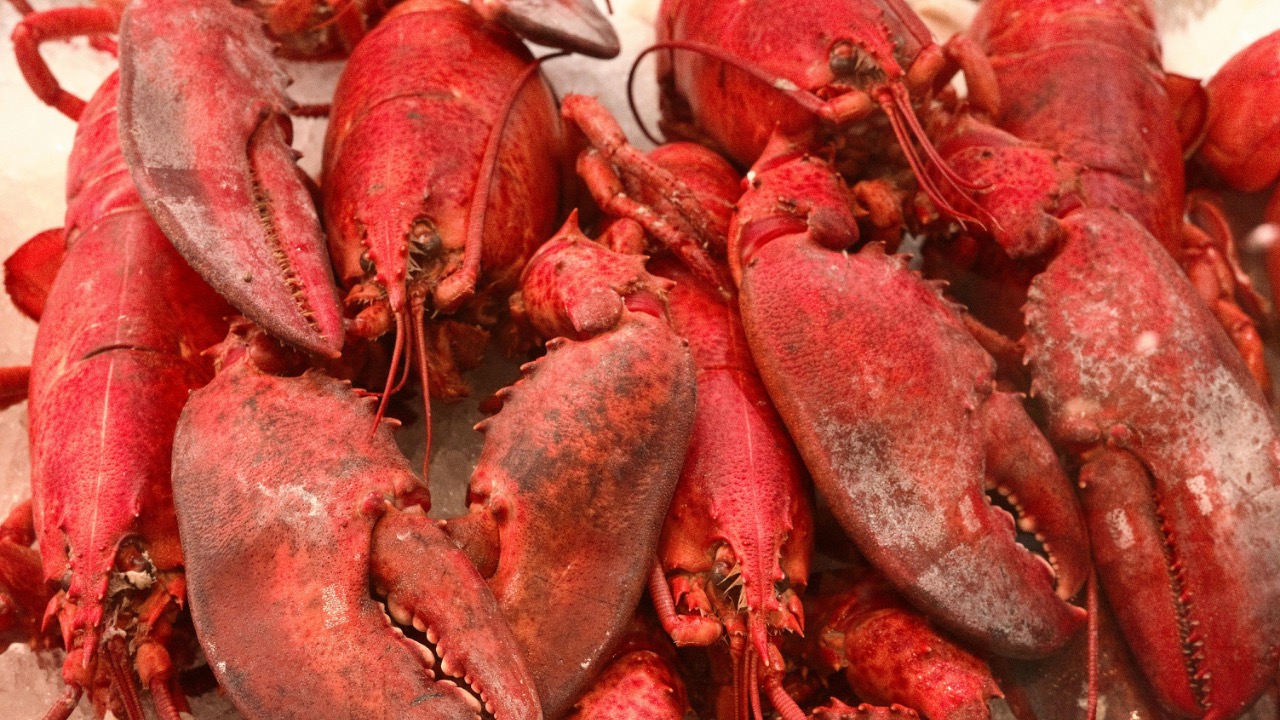
According to accounts of the event, the activist entered the restaurant area where live lobsters were being stored before preparation. Believing the animal was being held in poor conditions and about to be cooked, the individual removed it and transported it to a nearby harbor, where it was released into the water.
Restaurant staff reportedly realized the situation shortly after and clarified that the lobster was part of the owner’s personal selection for a planned meal. In some seafood establishments, owners or chefs keep specific live lobsters on-site temporarily before deciding how they will be used, which can create confusion for outside observers.
Misunderstandings around live seafood handling
Live seafood storage is common in many coastal restaurants, especially those serving lobster, crab, and shellfish. These animals are often kept in tanks or controlled environments to maintain freshness before preparation. However, to someone unfamiliar with restaurant operations, this setup can be misinterpreted as neglect or mistreatment.
Animal rights activism often focuses on raising awareness about animal welfare, but situations like this show how actions taken without full context can lead to unintended consequences. In this case, the disagreement wasn’t just about ethics — it was also about misunderstanding how the business operated.
Reaction from the restaurant and staff
The restaurant reportedly responded by explaining the situation and confirming ownership of the lobster. Staff members emphasized that the animal had not been abandoned or mistreated and was part of normal inventory management before preparation.
While the situation was unusual, it also raised practical concerns for the business, including the loss of product and the disruption caused by the unexpected removal. In industries dealing with live food products, even brief interference can result in financial loss or operational complications.
Broader debate around activism and intervention
The incident has added to ongoing debates about where the line is drawn between activism and interference. Supporters of animal rights often argue that direct action is sometimes necessary to prevent harm, especially when animals are involved in food systems.
Critics, however, argue that actions like removing property without consent can create legal and ethical problems, even if the intent is to protect animals. They also point out that misunderstandings can undermine broader advocacy efforts when actions are based on incomplete information.
What happens next in situations like this
In similar cases, outcomes often depend on whether any laws were broken and whether authorities choose to pursue the matter. Depending on local regulations, removing property from a business without permission can be treated as theft, even if no harm was intended.
For the restaurant, the immediate concern is typically operational recovery and preventing similar disruptions. For activists, incidents like this often become part of broader conversations about strategy, public perception, and how to engage with industries they oppose in ways that don’t escalate conflict.

Leo’s been tracking game and tuning gear since he could stand upright. He’s sharp, driven, and knows how to keep things running when conditions turn.