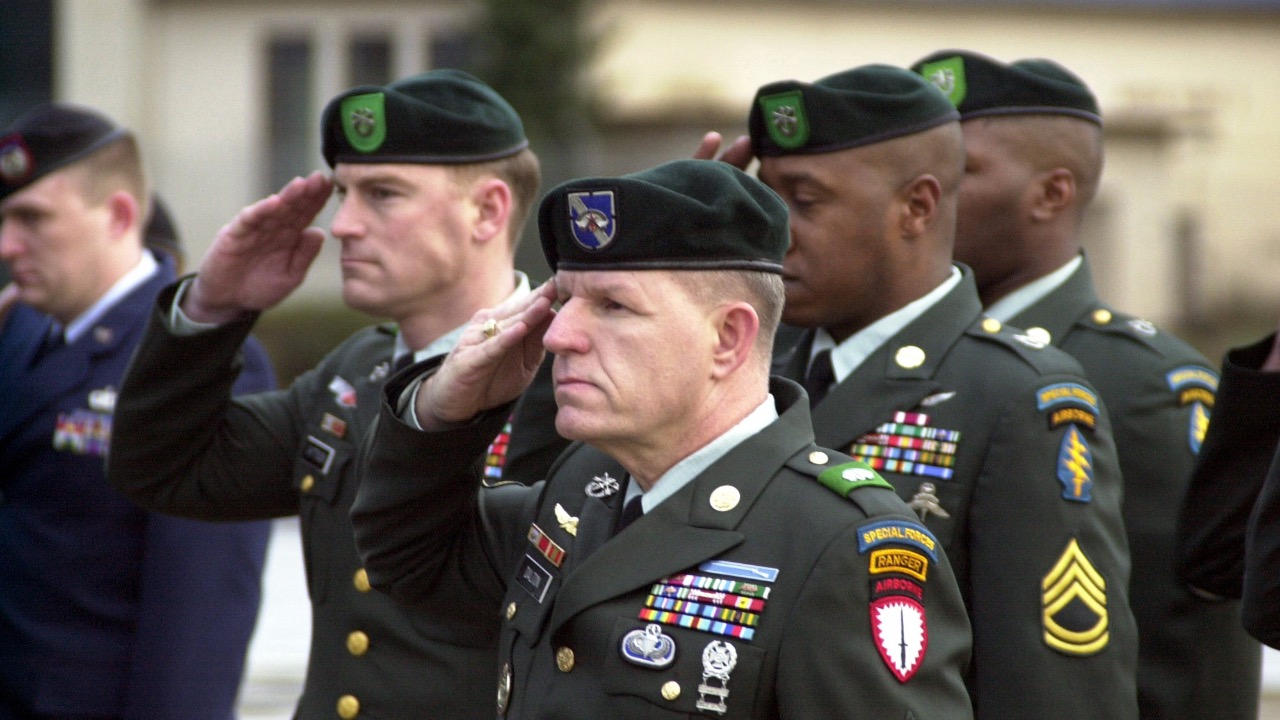
What Sets Green Berets Apart From Army Rangers?
For many Americans, “special forces” blends into a single image of night-vision goggles, helicopters, and classified missions. In reality, the U.S. Army’s Green Berets and Army Rangers serve very different purposes, shaped by distinct selection pipelines, training, and mission sets. Understanding what separates these two elite formations helps explain how the United States projects power, builds partners, and fights its toughest battles.
Both communities sit inside U.S. Army Special Operations, often train side by side, and sometimes deploy to the same conflicts. Yet one is built to lead small, patient campaigns through local allies, while the other is optimized to seize objectives with speed and violence of action.
What happened
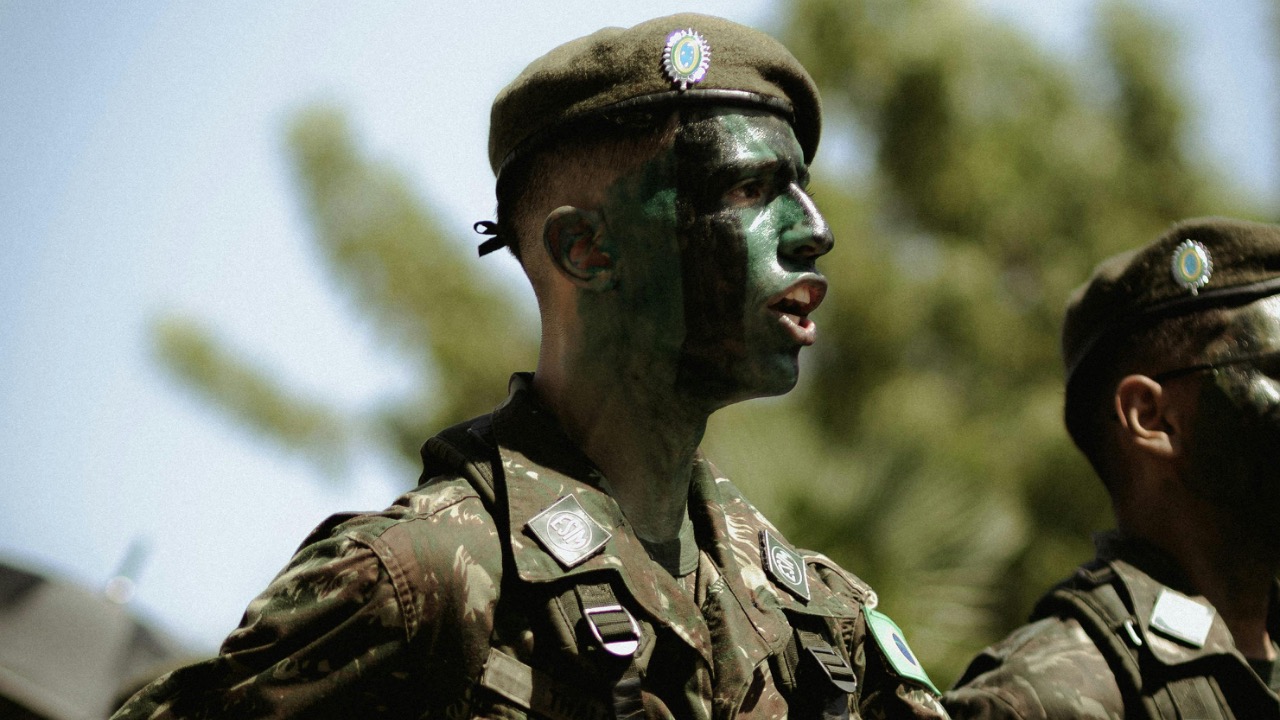
Recent Army events have put the contrast between Green Berets and Rangers into sharper relief. At Fort Liberty in North Carolina, the service brought together top performers from across U.S. Army Special Operations Command for a “Best Squad” competition that tested marksmanship, small-unit tactics, and problem solving under stress. The contest included soldiers from Special Forces, Rangers, and other units, highlighting how each formation brings different strengths into the same high-pressure environment. Reporting from Fort Liberty described how Special Forces soldiers, Rangers, and other specialists competed head to head at the long-time special operations hub once known as Fort Bragg, underscoring how the Army now showcases its elite units as part of a single, integrated enterprise while still preserving their distinct identities through events like the Best Squad competition.
Inside that broader enterprise, Green Berets have faced their own internal pressures. Internal Army data has shown that Special Forces has struggled to fill its ranks for years, with recruiting shortfalls that reflect both the demanding nature of the job and shifting interest among potential candidates. Detailed reporting on those figures described how Special Forces recruiting goals were repeatedly missed, how selection classes shrank, and how leadership worried about the long-term health of the force. Those recruiting challenges, captured in internal data, have raised questions about whether the Army can sustain its current Special Forces footprint worldwide.
At the same time, the Green Beret community has also been in the spotlight for a painful criminal case that reached beyond its own ranks. The death of Staff Sgt. Logan Melgar in Mali led to prosecutions of several special operators, including a Navy SEAL whose manslaughter conviction was later overturned by a military appeals court. Coverage of that decision explained how the court set aside his conviction, which had stemmed from the 2017 incident involving Melgar, and ordered a new review of the case. The ruling, described in detail in reporting on the overturned conviction, reopened debate about accountability and culture within the small, high-pressure world where Green Berets, SEALs, and other special operators often work side by side.
Together, those developments form the backdrop for a closer look at how Green Berets and Rangers differ in structure, mission, and culture. The Best Squad competition shows them competing under the same flag, the recruiting data shows how hard it is to sustain a specialized force, and the Melgar case shows what can happen when tight-knit communities operate at the edge of oversight.
Why it matters
At first glance, both Green Berets and Rangers are elite volunteers who pass tough selection courses and deploy frequently. The real distinction lies in what the nation expects them to do once they reach the battlefield.
Green Berets are the Army’s specialists in unconventional warfare and foreign internal defense. Their core mission is to work “by, with, and through” partner forces, which can mean living in remote villages, training local units, and influencing local power structures over months or years. A Special Forces team is built around this advisory and influence role. A typical 12-person Operational Detachment Alpha includes weapons, engineering, communications, and medical specialists, along with officers and senior noncommissioned officers who are expected to navigate language barriers, tribal politics, and the internal dynamics of partner militaries.
That mission profile drives a very different pipeline. Special Forces Assessment and Selection screens not only for physical endurance and tactical skill, but also for attributes like cultural awareness, problem solving, and the ability to operate with minimal supervision. Candidates who pass then move through the Special Forces Qualification Course, where they learn a specialty, attend language training, and study regional history and politics. The aim is to produce soldiers who can build relationships, shape local forces, and manage complex campaigns that often stay below the threshold of open conflict.
Army Rangers, by contrast, are structured as a light infantry strike force. The 75th Ranger Regiment is organized into battalions that can seize airfields, raid high-value targets, and conduct direct action missions at short notice. Rangers train to move quickly, hit hard, and then either hold key terrain or exfiltrate. Their selection and training emphasize physical fitness, small-unit tactics, and mastery of standard infantry skills at a very high level. Ranger Assessment and Selection Program screens candidates for resilience and discipline, while the regiment’s ongoing training cycle keeps units ready to deploy on short timelines.
These differences matter because they shape how the United States uses force abroad. When policymakers want to topple a regime through local insurgents or quietly strengthen a fragile partner government, they turn to Special Forces teams that can embed and advise. When they need to capture a specific compound, recover a hostage, or secure a critical airfield, they are more likely to call on Rangers. In many conflicts, both units operate in the same theater, but they do so with different objectives and time horizons.
The recruiting struggles inside Special Forces highlight how demanding that advisory mission can be. Internal data that showed years of missed recruiting targets suggested that fewer soldiers are willing or able to commit to the language study, repeated deployments, and family strain that come with the Green Beret path. Leaders have worried that persistent shortfalls could force smaller team sizes, reduced global coverage, or longer rotations for the soldiers who remain. If the Army cannot maintain enough qualified Green Berets, it risks losing capacity in missions that cannot easily be handed off to conventional units or other special operations forces.
Rangers face their own personnel challenges, but of a different kind. The regiment must maintain a large pool of highly trained infantry who can rotate through demanding deployment cycles while still meeting standards that are far higher than the broader Army. Many Rangers eventually move on to other units or civilian life, taking their experience with them. That constant churn requires a steady flow of new volunteers, which the regiment supports through a culture that prizes toughness, clear standards, and a strong sense of identity.
The Melgar case illustrates another difference that often gets less attention: how intertwined these communities can become on joint missions, and how cultural norms influence behavior in the field. In Mali, Green Berets and Navy SEALs were operating together in a small, isolated environment where informal practices and personal relationships mattered as much as written orders. The death of Staff Sgt. Logan Melgar and the subsequent prosecutions exposed tensions around hazing, discipline, and inter-service rivalry. When a military appeals court later overturned one SEAL’s conviction, it did not erase the underlying tragedy, but it did prompt renewed scrutiny of how special operations units police themselves.
For the public, these stories offer a reminder that elite status does not shield units from institutional problems. Green Berets and Rangers both operate under intense pressure, often with limited oversight and high expectations for results. Recruiting shortfalls, misconduct cases, and high-profile competitions like the Best Squad event are all signals of how these communities are adapting to that pressure. They also shape how young soldiers perceive each path, which in turn affects who volunteers and who stays.
Strategically, the distinction between the two forces ties directly into how the United States plans for future conflicts. As competition with near-peer adversaries grows, the military expects to rely more on partner forces, gray-zone campaigns, and rapid, precise raids. That means the skills of Green Berets and Rangers are likely to remain in high demand, but not always in the same way. Policymakers who understand the difference between a Special Forces advisory mission and a Ranger raid are better positioned to choose the right tool for each problem.
What to watch next
Several trends will determine how the relationship between Green Berets and Rangers evolves in the coming years. The first is whether Special Forces can reverse its recruiting slide. Internal data that documented years of shortfalls has already prompted discussion of new incentives, adjusted career timelines, and possible changes to the selection process. Observers will be watching to see whether those efforts bring in more qualified candidates without diluting standards that are central to the Green Beret identity.
Another key factor is how the Army presents its special operations units to both the public and its own soldiers. High-visibility events at Fort Liberty, such as the Best Squad competition, serve as showcases for the entire special operations community. They highlight cooperation and shared professionalism, but they also reinforce the distinct cultures of each unit. If the Army continues to invest in these joint competitions, it may strengthen cross-unit understanding while still preserving the unique roles of Special Forces and Rangers.
The outcome of legal and disciplinary cases within the special operations world will also shape perceptions. The decision to overturn a SEAL’s conviction in the Melgar case has already raised questions about how accountability works when multiple elite units operate together. Future rulings, investigations, or policy changes that grow out of that case could influence how commanders manage mixed special operations teams and how they respond to misconduct in remote environments.
Operationally, the next generation of conflicts will test the boundaries between Green Beret and Ranger missions. In places where partner forces are weak or fragmented, Special Forces teams may need to take on more direct action roles, at least temporarily. In high-intensity campaigns, Rangers may find themselves working more closely with local units or holding terrain for longer periods than they did in past wars. The Army’s ability to adapt doctrine and training for both communities will determine how smoothly they can shift between traditional roles and emerging demands.
Technology will add another layer of complexity. As drones, cyber tools, and artificial intelligence become more central to military operations, both Green Berets and Rangers will need to integrate those capabilities into their missions. For Special Forces, that might mean using advanced data tools to map local power networks or track the effects of an information campaign. For Rangers, it could involve tighter integration with precision strike assets or new ways to coordinate complex raids in contested airspace. How each community incorporates technology without losing its core human skills will be a critical storyline.

Leo’s been tracking game and tuning gear since he could stand upright. He’s sharp, driven, and knows how to keep things running when conditions turn.