Trump Says He Has Directed Navy to Target Iranian Boats Laying Mines in Strait of Hormuz
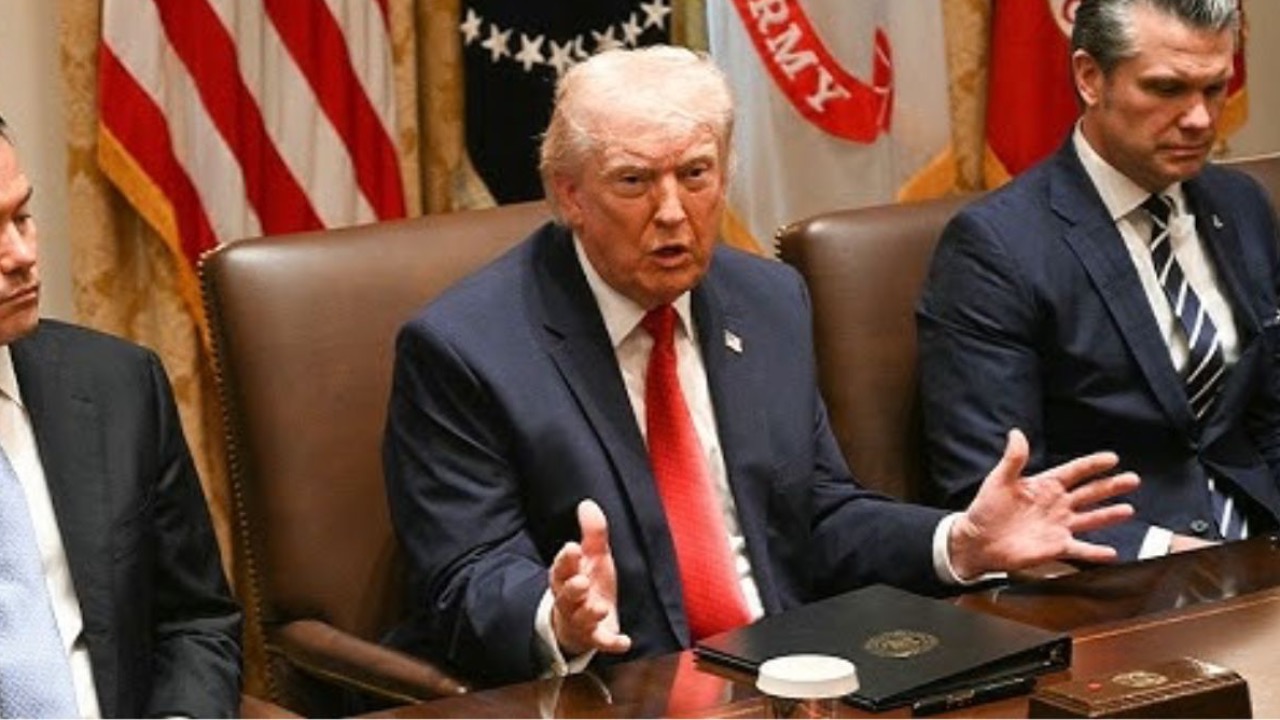
You watch these developments unfold in the Persian Gulf, and the stakes feel immediate. The Strait of Hormuz carries about one-fifth of the world’s oil supply on any given day. When President Donald Trump announced he had ordered the U.S. Navy to engage boats caught laying mines there, he framed it as a direct response to threats against commercial shipping. The statement came via his Truth Social account on a Thursday in late April 2026, amid reports of Iranian-linked vessels interfering with traffic in the waterway.
This move fits into a broader pattern of heightened tensions. Iran has a history of using mines and fast-attack craft in the region, tactics that can disrupt global energy flows with relatively low-cost tools. Trump’s directive emphasized no hesitation, while also noting that Navy minesweepers were already at work and would increase their efforts significantly.
Understanding the Strait’s Strategic Weight
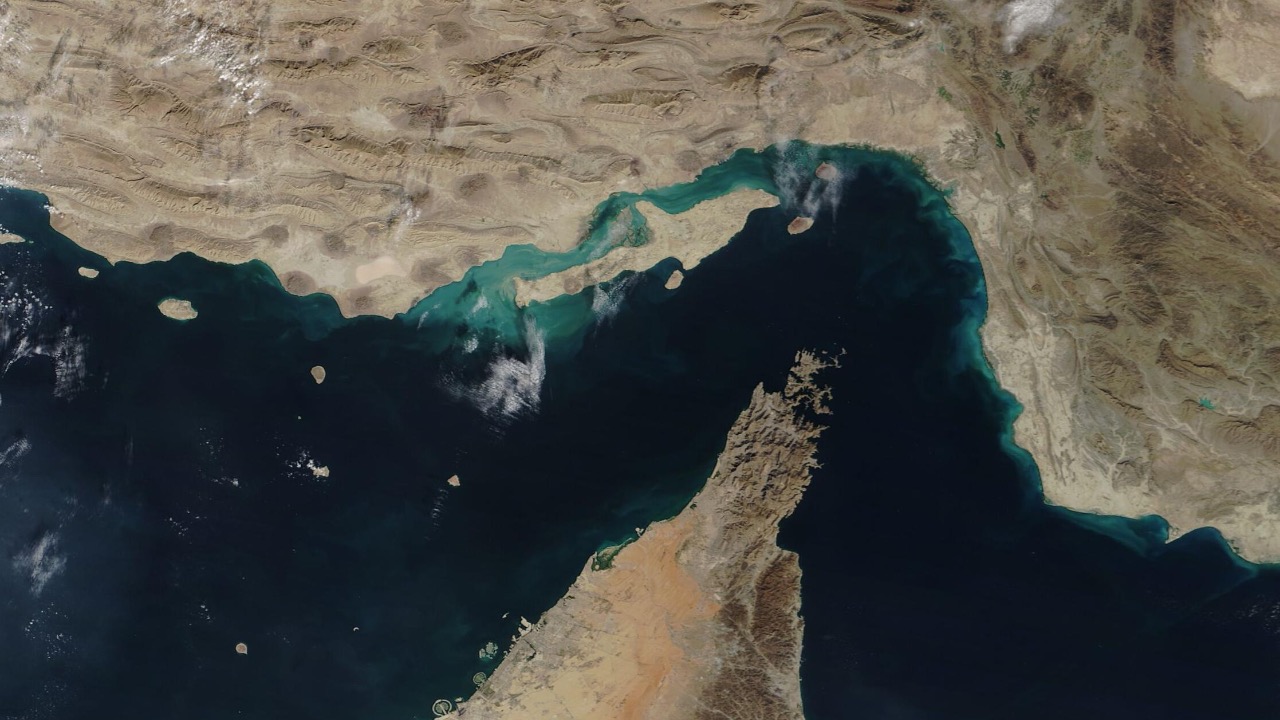
You probably recognize the Strait of Hormuz as that narrow choke point between the Persian Gulf and the Gulf of Oman. Tankers pass through it carrying crude from major producers like Saudi Arabia, Iraq, and the United Arab Emirates. Even a temporary closure sends ripples through fuel prices and supply chains worldwide.
Recent incidents have raised concerns. Iranian forces or affiliated groups have been linked to attacks on ships and attempts to seed mines, actions that complicate safe passage. The U.S. response focuses on protecting navigation rights while avoiding a wider naval confrontation if possible. Clearing operations take time and resources because modern mines come in different types and can linger on the seabed.
Trump’s Statement and Its Direct Message
When you read the full post, the language leaves little room for interpretation. Trump said he directed the Navy to shoot and kill any boat, even small ones, found laying mines. He mentioned Iran’s larger naval assets already being out of action and stressed immediate action without pause.
This kind of public order serves multiple purposes. It signals resolve to Tehran, reassures allies and shipping companies that the route matters to Washington, and sets rules of engagement for American forces on patrol. At the same time, it comes during a period when cease-fires elsewhere in the region, like in Lebanon, are being extended or negotiated.
How the Navy Handles Mine Threats
You see U.S. warships and specialized minesweepers operating in these waters equipped for detection and neutralization. Helicopters and unmanned systems often assist in spotting suspicious vessels or floating hazards. Destroyers can provide covering fire if needed, while smaller craft handle close-in work.
The challenge lies in distinguishing legitimate fishing boats from those with hostile intent in crowded waters. Rules of engagement must balance force protection with the risk of escalation. Tripling mine-clearing efforts, as Trump directed, requires more vessels, crews working extended shifts, and coordination with partners who also rely on the strait.
Regional Reactions and Broader Context
Countries bordering the Gulf monitor these moves closely. Gulf Arab states generally want secure shipping lanes for their exports. European and Asian importers watch fuel costs and insurance rates for tankers. China, which buys significant Iranian oil, has its own interests in stability.
Iran denies many of the accusations while demonstrating its ability to harass traffic through commandos or speedboats. The back-and-forth has included ship boardings and seizures reported in recent days. Diplomacy continues in parallel, but trust remains low on all sides after years of sanctions, proxy conflicts, and broken agreements.
Potential Impacts on Global Energy Markets
You feel the effects at the pump or in heating bills when supply routes tighten. Even the threat of mines pushes insurance premiums higher and prompts some captains to reroute around Africa, adding days and costs. Analysts track inventories and alternative pipelines to gauge how long markets can absorb disruption.
Longer term, success in keeping the strait open depends on sustained presence and perhaps multilateral naval patrols. Past episodes, like the Tanker War in the 1980s, showed how quickly things can spiral. Today’s technology—drones, satellites, and precision weapons—changes the equation but does not eliminate the risks inherent to operating in confined waters.
What Comes Next for U.S. Forces
American commanders now operate under clearer guidance on mine-laying threats. Training emphasizes quick identification and response while maintaining de-escalation options where feasible. Logistics teams prepare for prolonged deployments that strain maintenance schedules and crew endurance.
You follow these stories knowing decisions made in the Gulf can shape alliances, budgets, and even domestic politics back home. The Navy’s role here reflects enduring U.S. commitments to freedom of navigation, commitments tested regularly in hotspots around the world. Progress on clearing mines will likely be measured quietly, with updates coming through official channels rather than dramatic announcements.

Asher was raised in the woods and on the water, and it shows. He’s logged more hours behind a rifle and under a heavy pack than most men twice his age.