What happens when conservation efforts actually work
You hear a lot about what’s broken—declining habitat, shrinking access, fewer animals in places that used to hold plenty. But every now and then, something works. Not in theory, not on paper—on the ground. Game numbers climb. Habitat fills back in. Seasons stabilize. And you start seeing animals where you hadn’t in years.
When conservation hits its mark, it doesn’t look flashy. It shows up in tags getting filled, in tracks along a creek that used to run empty, in mornings that feel like they used to. But it also brings a new set of realities you’ve got to understand if you’re paying attention.
Game Populations Rebound—and Then Regulate
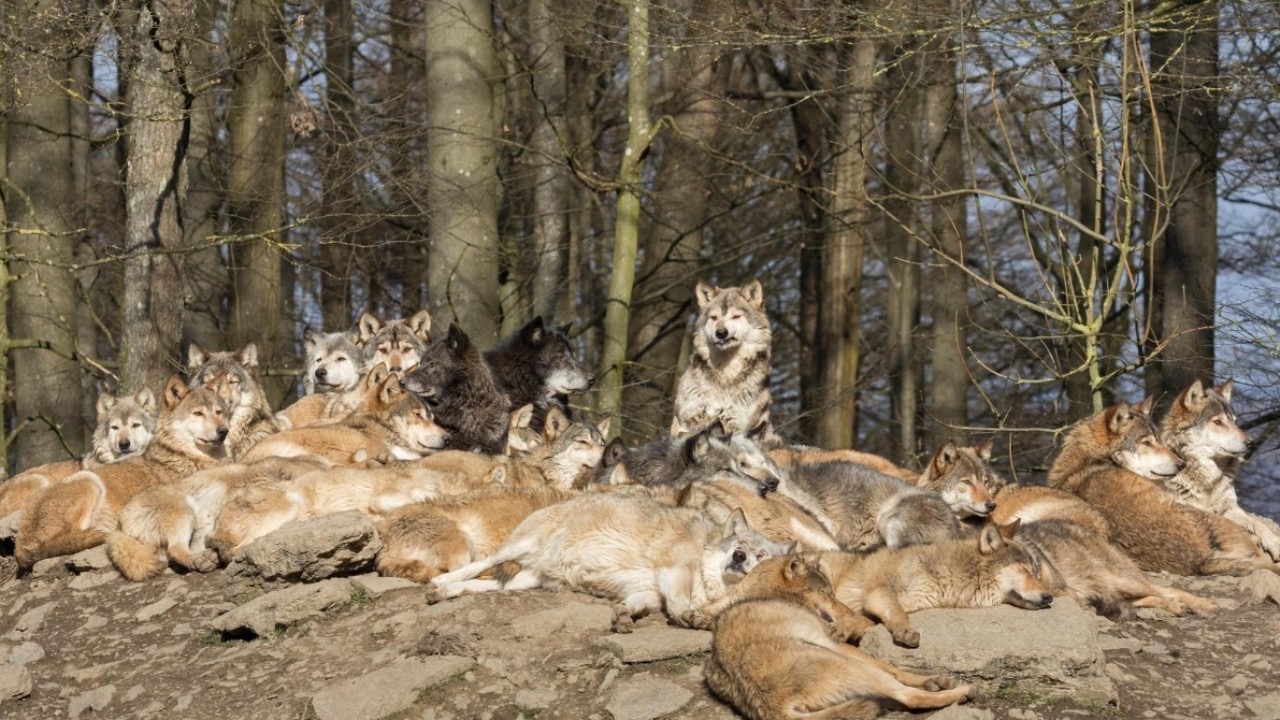
When habitat improves and harvest is managed right, populations climb. You start noticing more sightings, better age structure, and healthier animals overall.
But it doesn’t keep climbing forever. Agencies step in with adjusted tag numbers, longer seasons, or targeted harvests to keep things balanced. If they don’t, you run into overpopulation issues—disease, habitat damage, and winter die-offs. A rebound is a good sign, but it always leads to tighter management. That’s part of the deal.
Habitat Improvements Start Paying Off
You don’t always see habitat work right away. Prescribed burns, timber cuts, and restoration projects can look rough at first.
Give it time, though, and things change. New growth comes in, browse improves, and cover thickens up where it needs to. You’ll start finding animals using areas they ignored before. Feed, water, and security come back into alignment. When that happens, hunting improves in a way you can feel, not measure on a chart.
Hunting Opportunities Expand—Then Get Competitive
When populations rise, agencies often open things up. More tags, new seasons, or opportunities that didn’t exist before start showing up.
Word gets out fast. Pressure follows success. What starts as a quiet comeback can turn into crowded trailheads and heavier competition. You get more chances to hunt, but you’re sharing those chances with more people. It’s a tradeoff that comes with any success story in the field.
Predators Return to the Conversation
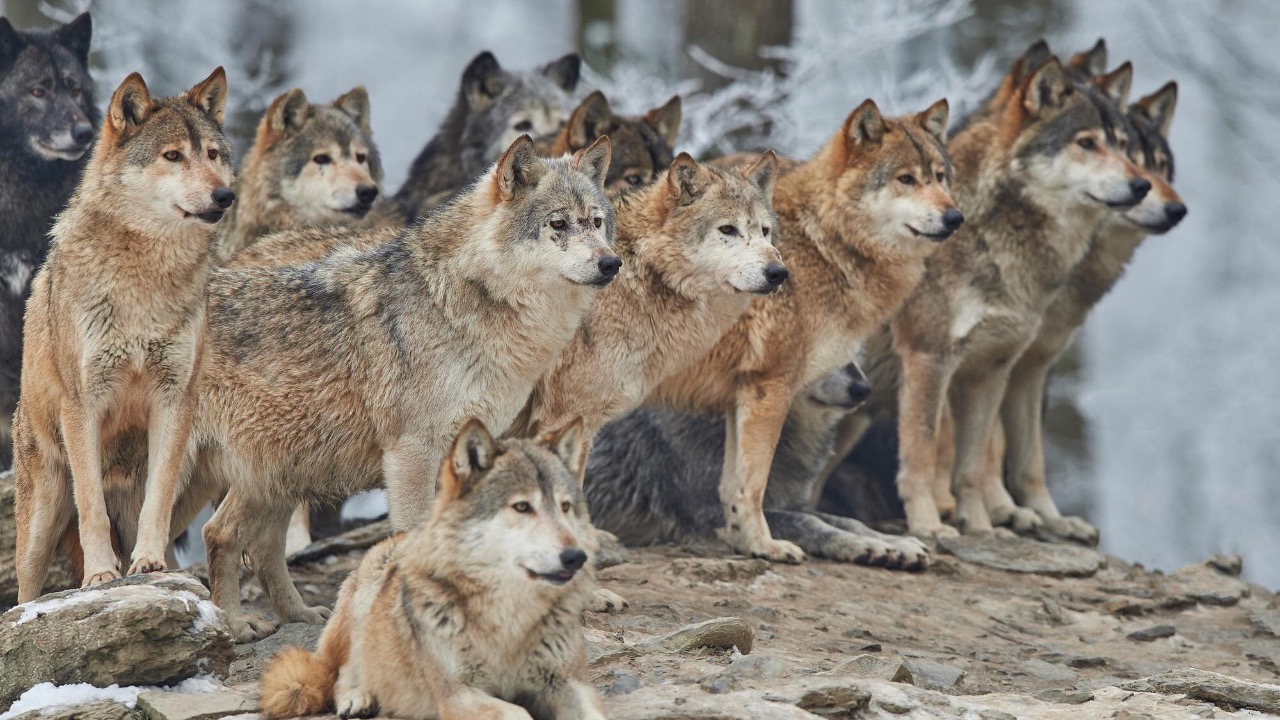
As prey species recover, predators tend to follow. In some cases, they’re reintroduced. In others, they move back in on their own.
That shifts the balance again. You might see fewer animals in certain areas or changes in behavior. It can make hunting tougher in spots that used to be consistent. Predator management becomes part of the conversation, and it’s rarely a quiet one. When conservation works, it doesn’t stop with one species.
Landowners Start Seeing Value in Wildlife
When game numbers improve, wildlife becomes an asset instead of a burden for many landowners. That can open doors—or close them, depending on how it plays out.
Some landowners allow access because they see the benefit in managed hunting. Others move toward leasing or outfitting to capture that value. Either way, wildlife has a stronger presence in land decisions. You feel it when you’re knocking on doors or trying to hold onto permission year after year.
Data Starts Driving More Decisions
Successful conservation leans heavily on data. Surveys, harvest reports, and field observations start shaping seasons and regulations in a more noticeable way.
You’ll see tag allocations shift, units change, and rules adjust based on what the numbers show. It can feel restrictive at times, especially if your area gets dialed back. But those decisions are often what keep the system working. When it’s done right, it keeps populations steady instead of swinging up and down.
Expectations Change for Hunters
When things improve, you expect more. More sightings, better chances, and stronger seasons become the baseline in your mind.
That can be a double-edged sword. A “normal” year after a strong rebound can feel like a letdown, even if it’s still solid hunting. It takes some perspective to recognize when things are actually in good shape. Conservation success raises the bar, and sometimes that makes it harder to appreciate what you’ve got.
Long-Term Stability Becomes the Goal
The biggest sign conservation worked isn’t a spike—it’s consistency. Seasons that stay reliable. Populations that hold steady without big swings.
That kind of stability doesn’t happen by accident. It takes ongoing management, habitat work, and cooperation between agencies, landowners, and hunters. You might not notice it year to year, but over time, it’s what keeps hunting viable. When things level out and stay there, you’re seeing the result of a system doing what it’s supposed to do.
When conservation works, it doesn’t solve everything. It shifts the landscape and gives you something better to work with. You still have to put in the time, read the ground, and adjust. But you’re doing it in places that are alive again—and that’s the whole point.

Asher was raised in the woods and on the water, and it shows. He’s logged more hours behind a rifle and under a heavy pack than most men twice his age.