Reports of Black Panther Sightings Persist in Texas
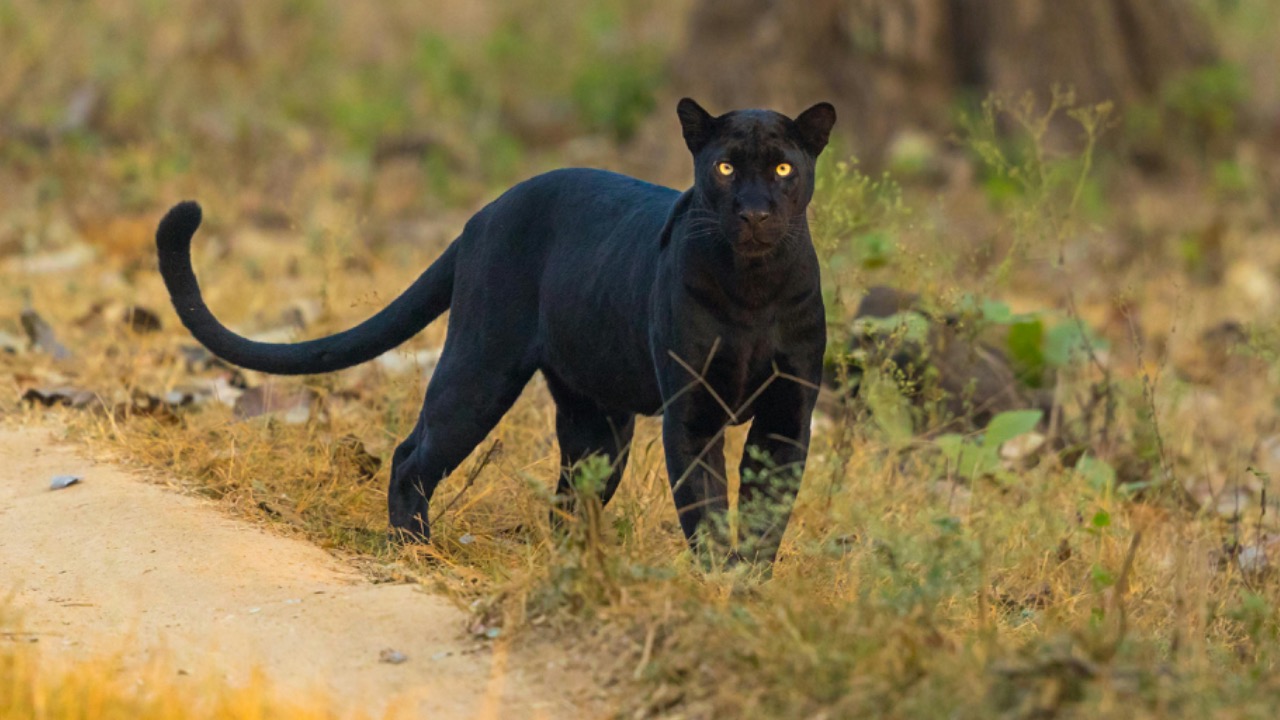
You hear it every few years, and sometimes every few months if you spend enough time around feed stores or deer camps—someone swears they saw a black panther cross a road in Texas. Not a bobcat. Not a coyote in bad light. A big, long-tailed cat, dark as night.
The stories stick around because they’re told by people who know the land. Folks who’ve spent their lives outside don’t usually confuse animals. Still, when you stack those sightings against what biologists can prove, things don’t line up clean. Here’s what you’re really dealing with when it comes to black panther reports in Texas.
There Are No Confirmed Black Panthers in Texas
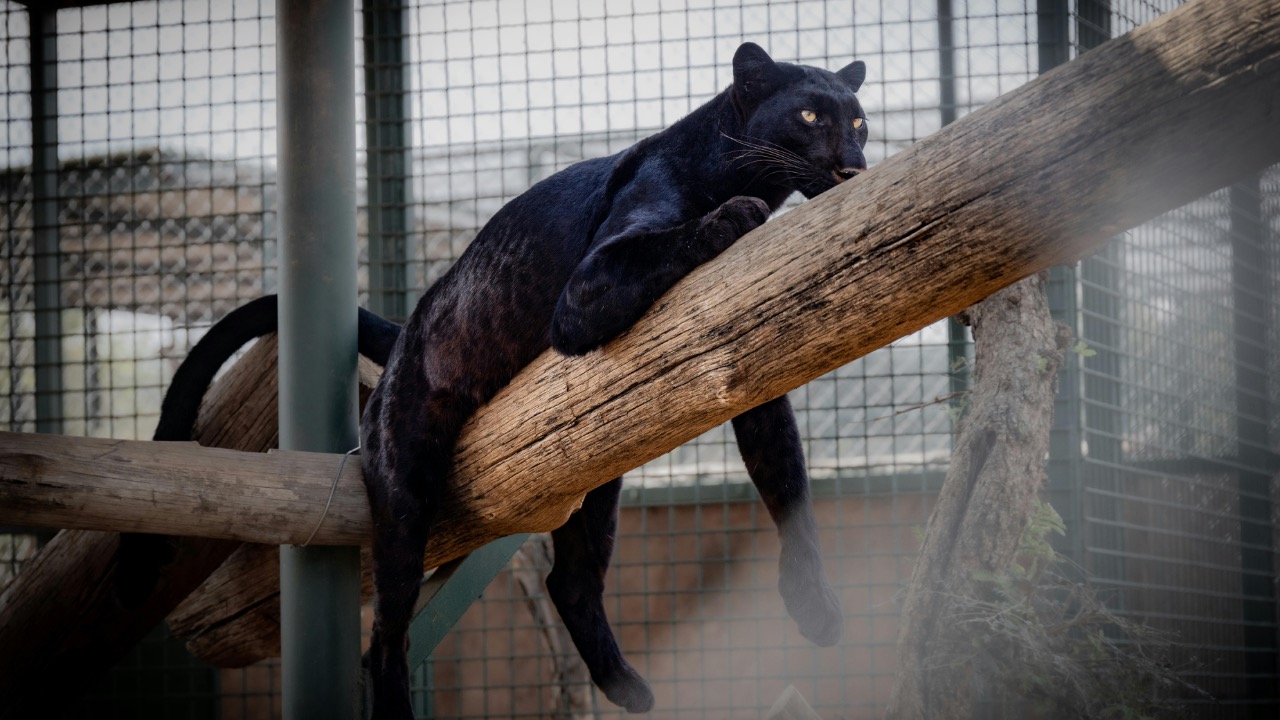
You won’t find a verified population of black panthers anywhere in Texas. Wildlife agencies have looked into these reports for decades, and none have produced solid physical evidence—no carcasses, no confirmed trail cam images, nothing that holds up under review.
What you do have in Texas are mountain lions, also called cougars. Those are real, and they’re well documented, especially in West and South Texas. But the key point is color. True black panthers—melanistic big cats—have never been confirmed as part of that population. That gap between sightings and proof is where most of the confusion lives.
Most Sightings Trace Back to Mountain Lions
When someone reports a large black cat, the most likely explanation is still a mountain lion seen under poor lighting. Early morning, late evening, or heavy shade can flatten color and make a tawny cat look much darker than it is.
Distance plays a role too. A quick glance at 100 yards can turn details into guesses. You remember the size, the tail, the way it moved—but color gets tricky. People aren’t making things up, but what they saw isn’t always what they think they saw. In most cases, a known animal explains the encounter better than a rare one.
Lighting Conditions Can Change What You See
If you’ve spent time glassing animals at first light, you already know how much lighting can fool you. Browns turn gray. Reds go dull. Shadows stretch and swallow detail.
A mountain lion moving through brush at dusk can appear nearly black, especially if you catch it in silhouette. Your brain fills in the rest fast, and once that impression sticks, it’s hard to shake. That’s how a brief sighting turns into a firm belief. It’s not about inexperience—it’s about how human vision works when conditions aren’t ideal.
Trail Cameras Haven’t Backed the Claims
With the number of trail cameras running across Texas today, you’d expect at least one clear image if black panthers were out there. Hunters, ranchers, and researchers have cameras covering millions of acres.
Those cameras have captured plenty of mountain lions, along with every other game animal you can think of. What they haven’t produced is a confirmed melanistic big cat. That absence matters. Trail cams don’t settle every question, but over time they tend to reveal what’s actually on the landscape. So far, they haven’t supported the black panther claims.
Folklore and Local Stories Keep It Alive
Some of these stories go back generations. You’ll hear about a grandfather who saw one cross a creek bottom or a ranch hand who tracked one for miles. Those accounts carry weight in local communities.
Over time, stories get retold, and details shift. A large cat becomes a black one. A fleeting sighting becomes a longer encounter. It’s not intentional—it’s how storytelling works. Once those accounts take hold, they become part of the culture, and new sightings get measured against them.
Escaped or Released Exotic Animals Are Possible—but Rare
There’s always a slim chance that an exotic animal could escape captivity. Private ownership of big cats has existed in Texas, and there have been isolated cases of animals getting loose.
But even in those situations, survival in the wild isn’t guaranteed. And again, you’d expect evidence—tracks, photos, or a recovered animal. Those cases are rare and usually resolved quickly. They don’t support the idea of a hidden, breeding population of black panthers moving across the state.
The Human Brain Fills in the Gaps
When you see something unexpected, your brain tries to make sense of it fast. You match it to what you’ve heard or what stands out the most. In Texas, the idea of a black panther is already in the back of people’s minds.
So when a large cat shows up in a split-second sighting, that label can snap into place. It doesn’t mean the person is wrong about seeing a cat—it means the details got filled in under pressure. That’s a normal human response, especially in low-light or high-adrenaline moments.
Why the Sightings Aren’t Going Away
Even without proof, these reports aren’t slowing down. As long as mountain lions exist in Texas, people will keep seeing large cats, and some of those sightings will get interpreted as something else.
You’re also dealing with more people on the landscape—more hunters, more landowners, more trail cams. More eyes mean more reports. But until something solid shows up—a clear image, a verified specimen—the black panther in Texas stays where it’s been for years: in stories, sightings, and the space between what you saw and what you can prove.

Asher was raised in the woods and on the water, and it shows. He’s logged more hours behind a rifle and under a heavy pack than most men twice his age.