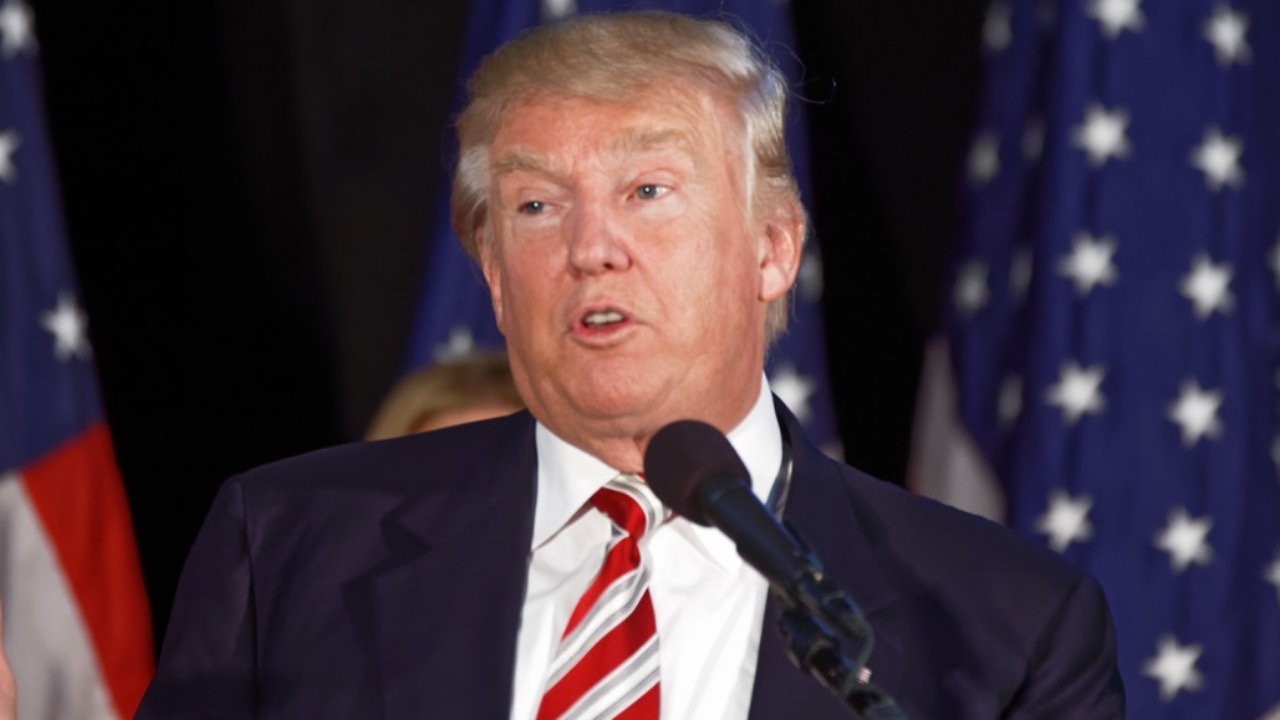
Trump Warns Iran of Potential Strikes on Oil Infrastructure Amid Blockade
You watch the latest moves in the Middle East and feel the tension rising again. President Trump has issued fresh warnings to Iran as the U.S. maintains its naval blockade around Iranian ports and the Strait of Hormuz. This choke point handles about one-fifth of global oil shipments. The standoff stems from broader conflict, with demands for Iran to reopen shipping lanes fully, scale back its nuclear activities, and reach some kind of agreement. Oil prices have climbed sharply in response, reminding everyone how connected energy flows are to international pressure.
The situation carries real risks for supply chains and regional stability. Trump has pointed to the practical problems Iran’s oil system faces under the restrictions, while keeping military options on the table. You see how these developments affect markets, alliances, and everyday costs at the pump back home.
The Blockade’s Immediate Pressure
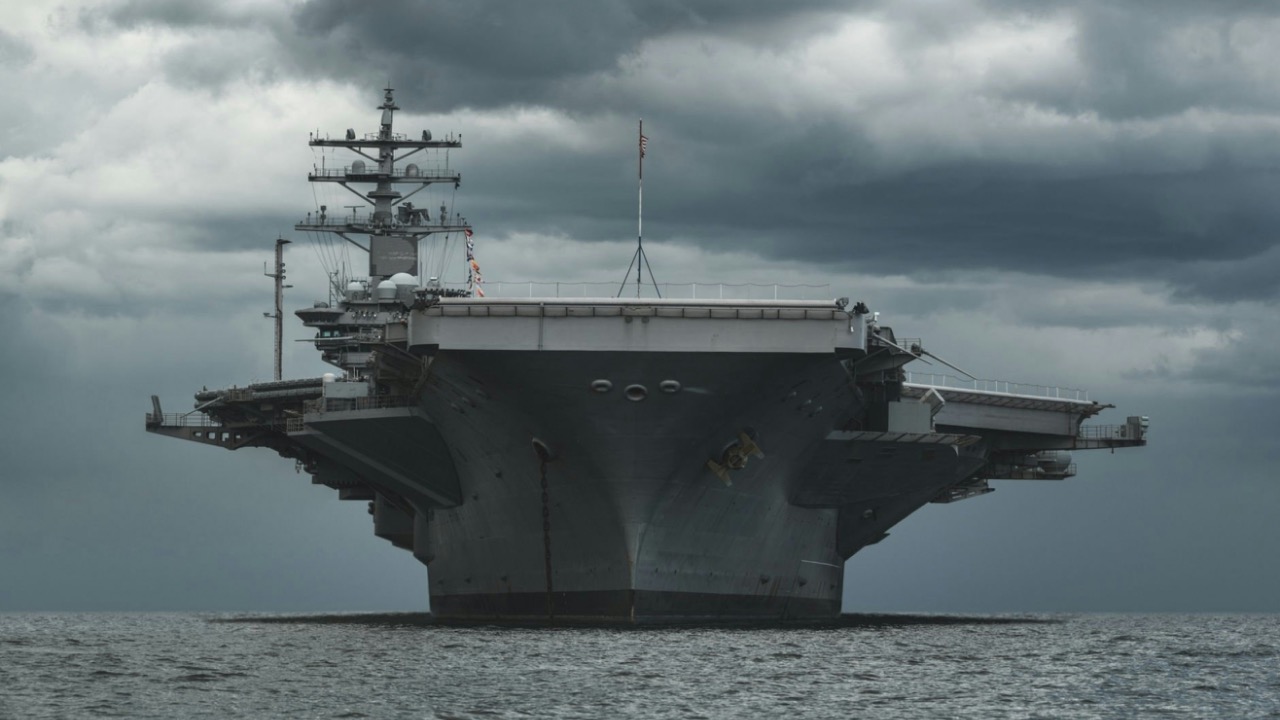
You notice how the U.S. enforcement has cut off Iran’s ability to move oil out efficiently. Ships heading to or from Iranian facilities face interception, forcing Tehran to deal with mounting domestic production that has nowhere to go. Storage tanks fill up fast, and pipelines stay under strain. Trump highlighted this dynamic in recent comments, suggesting mechanical failures could hit within days if nothing changes.
This approach aims to squeeze revenue that funds Iran’s government and other activities. At the same time, it raises questions about how long the pressure can hold without wider disruptions. You consider the balance between forcing negotiations and the chance of unintended escalations in a volatile area.
Warnings About Oil System Risks
You hear Trump describe the potential for Iran’s pipelines and infrastructure to face serious internal damage soon. With production continuing but exports blocked, the buildup creates conditions where lines could fail under pressure. He mentioned a short window, around three days in one assessment, before problems compound.
Iranian officials push back, warning of retaliation if their facilities suffer. This exchange keeps the focus on energy sites as both leverage and vulnerability. You weigh the technical realities of oil transport against the political signals being sent in real time.
Threats of Targeted Military Action
You follow reports of Trump’s statements about possible strikes on power plants, bridges, and energy facilities. These come as deadlines for reopening the strait pass or get extended amid talks. The language stays direct, tying any action to Iran’s compliance on shipping and other issues.
Such moves would aim to degrade capabilities without full invasion. Yet they carry the risk of Iranian responses against neighbors or shipping. You see the pattern of threats, pauses for negotiation, and renewed pressure that has defined this period.
Iran’s Response and Regional Fallout
You observe Iranian leaders vowing strong countermeasures if their oil assets are hit. Vice presidential statements talk about matching damage fourfold on supporters of the blockade. This raises stakes for Gulf states and others reliant on stable energy flows.
The rhetoric reflects deep distrust built over years. You think about how proxy groups and alliances could draw in more players if infrastructure attacks occur. The region already deals with disrupted shipping and higher costs.
Impact on Global Oil Markets
You check the price charts and see crude climbing above $100 a barrel at points, driven by fears over the strait. Traders watch every statement from Washington and Tehran closely. U.S. producers might gain in the short term, but broader volatility affects everything from gasoline to manufacturing inputs.
Longer term, sustained issues could shift supply routes and investment patterns. You consider how consumers worldwide feel these effects through higher costs, even if direct involvement stays limited.
Ceasefire Efforts and Negotiating Dynamics
You track the cycle of temporary halts in fighting followed by extensions. Trump has mentioned productive talks at times while insisting the blockade stays in place until demands are met. Iran denies certain back-channel progress and holds its positions.
This back-and-forth tests patience on all sides. You evaluate whether economic pain will push toward compromise or harden stands further. Past patterns suggest deals remain possible but fragile.
Broader Strategic Calculations
You step back and see the U.S. goal of limiting Iran’s nuclear path and regional influence through combined military and economic tools. Allies and rivals watch how far enforcement goes. China and others dependent on Gulf oil face their own choices about sourcing.
The approach reflects longstanding U.S. interests in secure energy lanes. You assess the trade-offs between short-term disruption and hoped-for longer stability. Outcomes will shape security in the Gulf for years.
What Comes Next for Energy Security
You consider the lessons from this episode on diversifying supplies and protecting chokepoints. Investments in alternatives and resilience matter more when single routes face blockage. Governments and companies weigh risks in real time.
For you following these events, the focus stays on how decisions in distant waters translate to daily realities. Stability in the region supports predictable markets. Continued monitoring helps separate signal from noise in fast-moving developments.

Asher was raised in the woods and on the water, and it shows. He’s logged more hours behind a rifle and under a heavy pack than most men twice his age.