What most people do wrong the first time they see a bear
When people picture a bear encounter, they usually imagine a dramatic chase. In reality, the most dangerous mistakes happen in the first few seconds after someone spots a bear and panics. The difference between a tense but harmless sighting and a serious attack often comes down to whether a hiker runs, screams or tries to get a closer look.
Experts who study bear behavior describe a consistent pattern: most people do the exact opposite of what keeps them safe. They run instead of standing their ground, whisper instead of talking calmly, and misread a curious animal as an imminent attacker. Understanding those common errors, and what to do instead, can turn a frightening moment into a controlled exit.
The instant panic response: why running is so dangerous
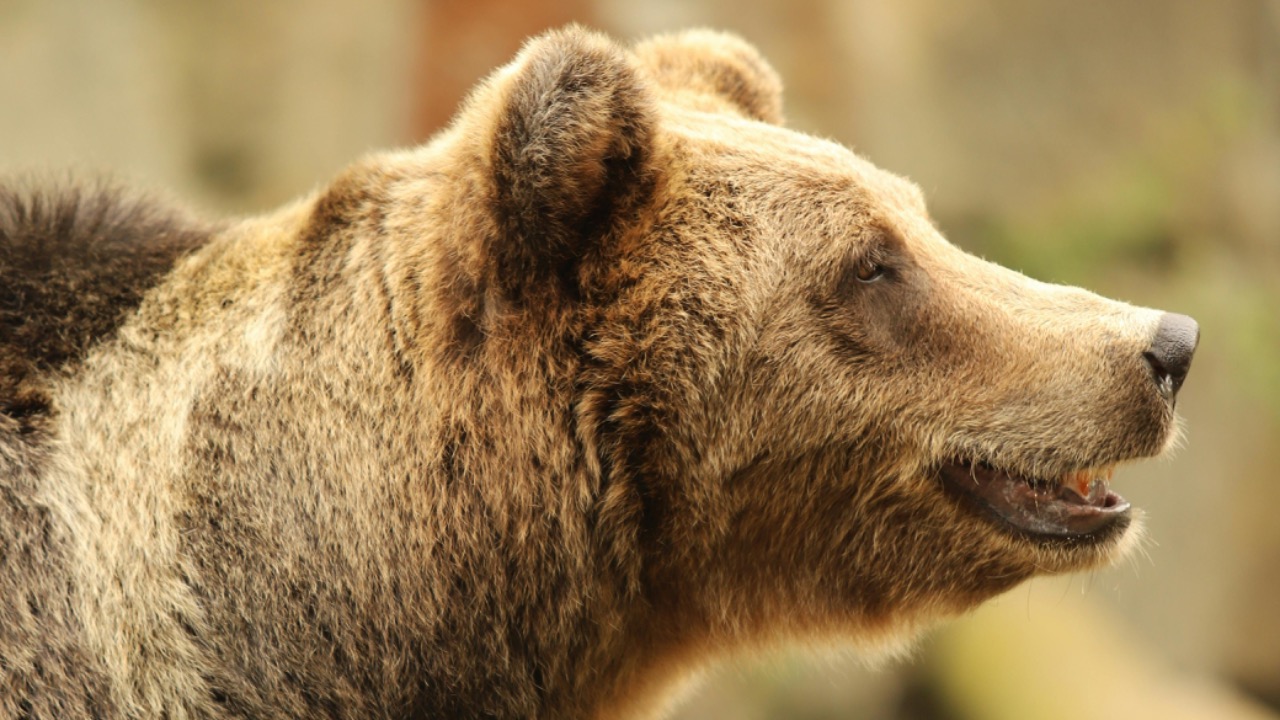
The most common mistake when someone first sees a bear is also the most instinctive: people run. Survival instincts tell a person to sprint away from danger, but a bear interprets that movement very differently. Guidance on encounter behaviorstresses that a person should never run away, because a human cannot outrun a bear and the sudden flight can trigger a chase response.
Video instruction on bear attacks reinforces the same point. In one widely shared breakdown of attack scenarios, trainers explain that running from a bear is the last thing someone should do if they encounter one, since it can trigger the bear’s predatory instinct to pursue a fleeing target. That clip frames running not as a neutral choice, but as a decision that can turn a nonaggressive bear into an active threat.
Running also removes a person’s ability to read the animal’s behavior. Once someone turns their back and sprints, they lose sight of whether the bear is standing still, walking away or simply watching. Experts instead recommend that a person stop, stay facing the animal, and prepare to respond if it moves closer. Remaining in place gives time to think, assess the distance and look for cubs or food that might explain the bear’s interest.
Freezing, screaming and other counterproductive reactions
Panic does not always look like sprinting down the trail. Some people freeze completely; others scream or make high-pitched noises. Advice shared in a public discussion of trail safety in the Catskills warns hikers never to imitate bear sounds or make a high-pitched squeal when they encounter one. That same guidance tells people to pick up small children immediately and avoid any loud, uncontrolled screaming that could startle the animal, as highlighted in a Sep discussionof what to do around bears.
Freezing without any action can also create problems. A silent, motionless human may be harder for a bear to identify as a person, especially in dense brush or low light. That is why safety advice consistently encourages people to speak in a calm, firm voice. Talking helps the bear recognize that it is dealing with a human rather than another animal, and it gives the person something concrete to do instead of remaining paralyzed by fear.
Picking up children, as that Catskills guidance notes, serves two purposes. It prevents a child from bolting in panic, and it keeps a small, fast-moving figure from drawing the bear’s attention. A child who runs can look more like prey than an adult standing upright and speaking calmly.
Getting too close: curiosity, cameras and crowding
Another common error is the urge to move closer for a better look or a photo. Official advice on staying safe aroundstresses that following viewing etiquette is the first step to avoiding an encounter that could escalate into aggression. That etiquette includes keeping a large buffer of space, never approaching a bear to get a clearer picture, and leaving immediately if the animal changes its behavior because of a person’s presence.
People often underestimate how quickly a bear can close distance. A bear that seems distant through a camera lens may be only a few seconds away at a full run. Moving closer for a photograph also shifts the person into the bear’s personal space, which can trigger a defensive reaction, especially if cubs or food are nearby. Wildlife staff repeatedly warn that a bear that looks calm is not an invitation to approach; it is an opportunity to back away while the situation is still under control.
Group behavior can make this mistake worse. When several people see a bear at once, there is a tendency to cluster together and inch forward, each assuming someone else understands the risk. That crowding can surround a bear or block its escape route, which increases the chance that it will respond with a bluff charge or a real charge to clear a path.
Misreading bear body language
Many first-time observers misinterpret what a bear is doing. One persistent myth claims that a bear standing on its hind legs is about to attack. In reality, as bear educators point out in a list of common misconceptions, a standing bear is often trying to get a better view. The explanation notes that a bear will stand simply to see or smell more clearly. A similar clarification from Bear Defenders explains that people often mistake bears standing up as aggression, when the animals are really trying to see, hear and smell better than they can when they are down on all fours.
That misreading leads to unnecessary panic. A person who believes a standing bear is preparing to attack is more likely to run or scream, which can escalate the situation. Recognizing that a standing posture is usually curiosity, not a prelude to violence, helps people stay calm enough to follow safer steps.
Other behaviors are also misunderstood. A bear that huffs, pops its jaws or swats the ground is often sending a warning, not launching an immediate attack. These signals mean the animal is uncomfortable and wants more space. The safest response is to back away slowly, talk calmly and avoid direct eye contact, not to charge or throw objects.
Underestimating how encounters start
Many people imagine bear encounters as random confrontations on open trails. In practice, they often begin with a surprise at close range. Official guidance on bear attacks explains that if someone surprises a bear, regardless of the species, they should not fight it unless the bear is acting predatory. The same advice emphasizes that surprise encounters are especially risky, because a startled bear may react defensively before it fully understands what is happening.
Hikers are urged to reduce the chance of that kind of surprise. Advice from bear safety educators encourages people to stay aware of their surroundings, look for tracks, scat, torn-up logs, claw marks on trees or carcasses, and treat those signs as indications that a bear may be nearby. One program summarizes that approach in a simple phrase: Always be aware of potential bear sign, especially in dense vegetation or near food sources like berry patches and carcasses.
Noise plays a role here too. Some hikers rely on bells attached to backpacks, but a detailed guide to bear encounters explains that Bear Bells are popular yet not really loud enough to consistently alert wildlife. The same source notes that the bells may jingle constantly without carrying far in thick forest, and that hikers are better served by talking, clapping or calling out periodically, as described in a practical overview of Bear Bells and other tools.
Silence versus calm, deliberate noise
Silence might feel polite in the backcountry, but it is often the wrong choice in bear country. Guidance from Minnesota wildlife officials describes a simple sequence for situational encounters with black bears. It tells people not to panic, to stop what they are doing and evaluate the situation, then to make their presence known by speaking calmly. That advice appears in a detailed page on Situational encounters that also stresses the importance of staying composed rather than shouting.
Calm speech serves several purposes. It signals to the bear that the person is a human, not another animal moving quietly through the brush. It also helps the person regulate their own fear. Talking in a steady tone can slow breathing and prevent the kind of panicked yelling that might startle a nearby bear.
There is an important distinction between controlled noise and chaotic noise. Experts discourage screaming, shrill whistling or imitating bear sounds, which can confuse or alarm the animal. Instead, they recommend firm, even phrases such as “Hey bear” or “Go on, bear,” delivered at a normal speaking volume that gradually increases if the animal continues to approach.
Fighting the wrong bear at the wrong time
Another major mistake is assuming that every bear encounter should be handled with the same level of aggression. Official attack guidance explains that if someone surprises a bear, they should not fight it unless the bear is acting predatory. In a surprise defensive attack, the bear is usually trying to neutralize what it perceives as a sudden threat, not hunting for food.
Trying to fight a defensive bear at the first moment of contact can prolong the incident. In those situations, experts advise people to protect their head and neck, lie flat or curl into a ball, and wait for the bear to disengage once it no longer feels threatened. Fighting back is reserved for rare cases in which a bear clearly treats a person as prey, such as following them for a long distance or attacking without any sign of surprise or cub protection.
Confusing those scenarios is easy for someone who has never seen a bear before. That confusion is another reason why the first few seconds matter so much. If a person stays calm, reads the bear’s behavior and avoids turning a defensive posture into a chase, they are more likely to avoid the kind of prolonged contact where fighting back becomes necessary.
Throwing food, dropping packs and other risky improvisations
When fear spikes, people reach for whatever they are carrying. One popular but flawed idea is to throw food at a bear in the hope of distracting it. A detailed hiking guide points out that throwing food may only distract the person, not the bear, and that someone will not have much time to decide what to do during a bear encounter. That analysis warns that tossing food can teach bears to associate humans with easy meals, which increases the risk of future confrontations.
Another tactic, sometimes suggested informally, is to drop a backpack or clothing to distract a following bear. Some trainers do recommend dropping items slowly if a bear is trailing a person, but they stress that the pack should stay on during any close approach because it provides protection for the back and neck. Advice shared in a social media reel on grizzly safety describes dropping items like a backpack or hat only if the bear is following at a distance, and it emphasizes that the person should keep their main pack on for protection if contact seems likely.
Improvisation tends to go wrong when it replaces proven tools. Carrying bear spray, for example, offers a tested way to deter a charging bear at close range. A detailed guide to bear spray use explains how to deploy it, where to aim and why it is more reliable than throwing objects or shouting alone. The key is to have the spray accessible and to practice removing the safety clip before any encounter happens.
Climbing trees and other persistent myths
Popular culture is full of advice that does not survive contact with real bears. One widespread belief holds that a person should climb a tree to escape a grizzly. A myth and fact sheet from bear educators labels this idea as MYTH and counters it with a TRUTH section that explains the misconception. The clarification notes that grizzly bears, unlike black bears, are often assumed to be poor climbers, but in reality both species can climb, and a person who scrambles up a tree may trap themselves in a vulnerable position.
Climbing also takes time and requires turning away from the bear. That combination can trigger a chase, since the animal sees a moving target and may respond to the sudden motion. Once someone is partway up a tree, they have limited options if the bear decides to follow or simply wait below.
Another myth suggests that people should play dead in every encounter. In reality, that tactic is reserved for specific situations, typically defensive attacks by grizzlies at very close range. Using it too early, or in a nondefensive encounter, removes a person’s ability to back away, use bear spray or leave the area while the bear is still deciding what to do.
How to actually respond in those first few seconds
Against that backdrop of common mistakes, safety guidance converges on a simple sequence for the moment someone first sees a bear. The first step is to stop and assess. Minnesota officials summarize this as “Stop what you are doing and evaluate the situation,” a phrase that appears in their detailed list of situational encounters. That pause interrupts the urge to run and gives the person a chance to check distance, wind direction and the bear’s posture.
The second step is to speak calmly and identify as human. Talking in a normal tone, using clear phrases, helps the bear recognize the person and reduces the chance of a startled reaction. If the bear is far away and does not seem to notice, the person can slowly back away while continuing to talk.
The third step is to prepare defensive tools without brandishing them aggressively. If someone is carrying bear spray, trainers recommend getting it into hand, removing the safety clip and keeping it ready at hip or chest level, pointed slightly downward. The goal is to be ready if the bear charges, not to provoke it by waving the canister or shouting threats.
Prevention: what people ignore before they ever see a bear
Many of the errors that show up in first encounters start long before the bear appears. Hikers often ignore simple prevention steps that reduce the chance of a close surprise. Guidance on bear viewing guidelines stresses that the best place to look for bears is from a safe distance near natural food sources, and that people should avoid hiking at dawn, dusk or night when bears are more active.

Leo’s been tracking game and tuning gear since he could stand upright. He’s sharp, driven, and knows how to keep things running when conditions turn.