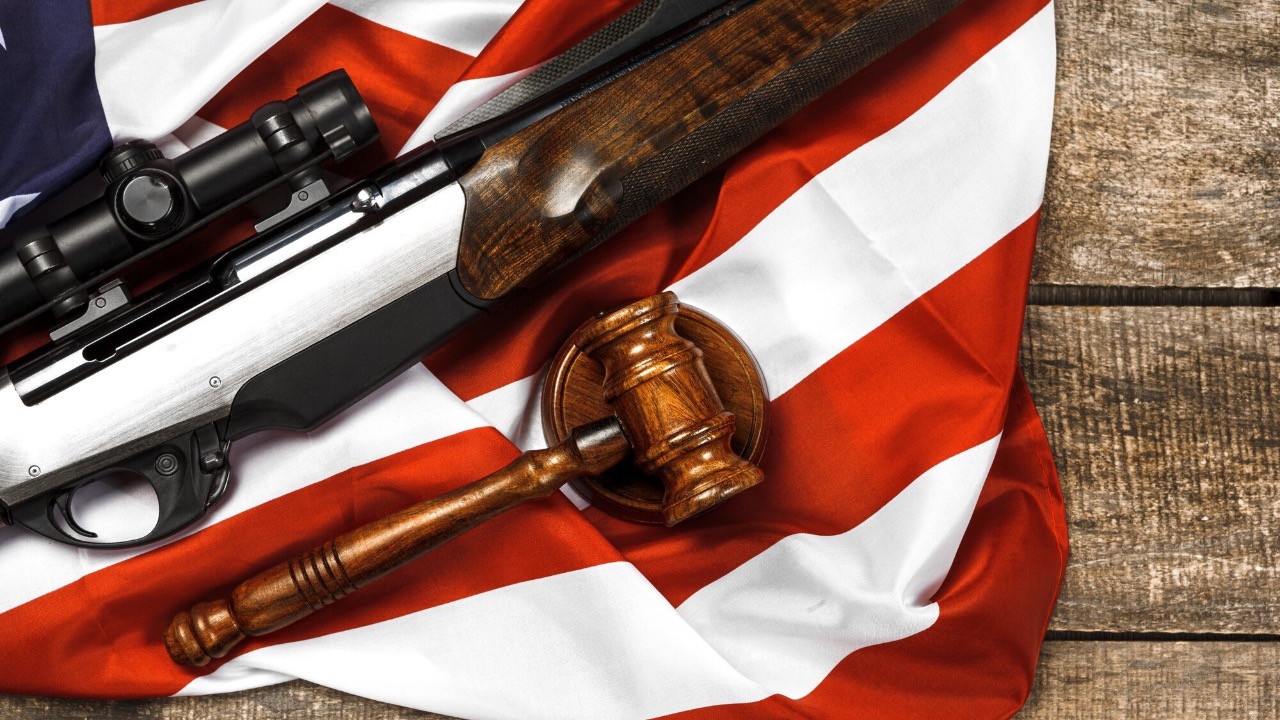
Supreme Court Weighs Several Significant Second Amendment Cases
The Supreme Court continues to shape how the Second Amendment applies in everyday life, years after its major rulings in Bruen and Rahimi. Lower courts have handled hundreds of challenges to gun laws, leading to a steady stream of petitions reaching the justices. In the current term, the Court has taken up cases that touch on where people can carry firearms and who can possess them. Many more petitions sit in the pipeline, covering everything from magazine limits to restrictions on certain owners. These decisions matter because they influence state laws, federal rules, and how Americans exercise their rights while balancing public safety concerns.
You follow these developments because they affect practical matters like carrying a handgun for self-defense or keeping firearms at home. The justices’ approach relies on historical traditions of regulation, which lower courts apply unevenly. Outcomes could clarify boundaries for lawmakers and gun owners alike across the country.
Private Property and Concealed Carry Limits
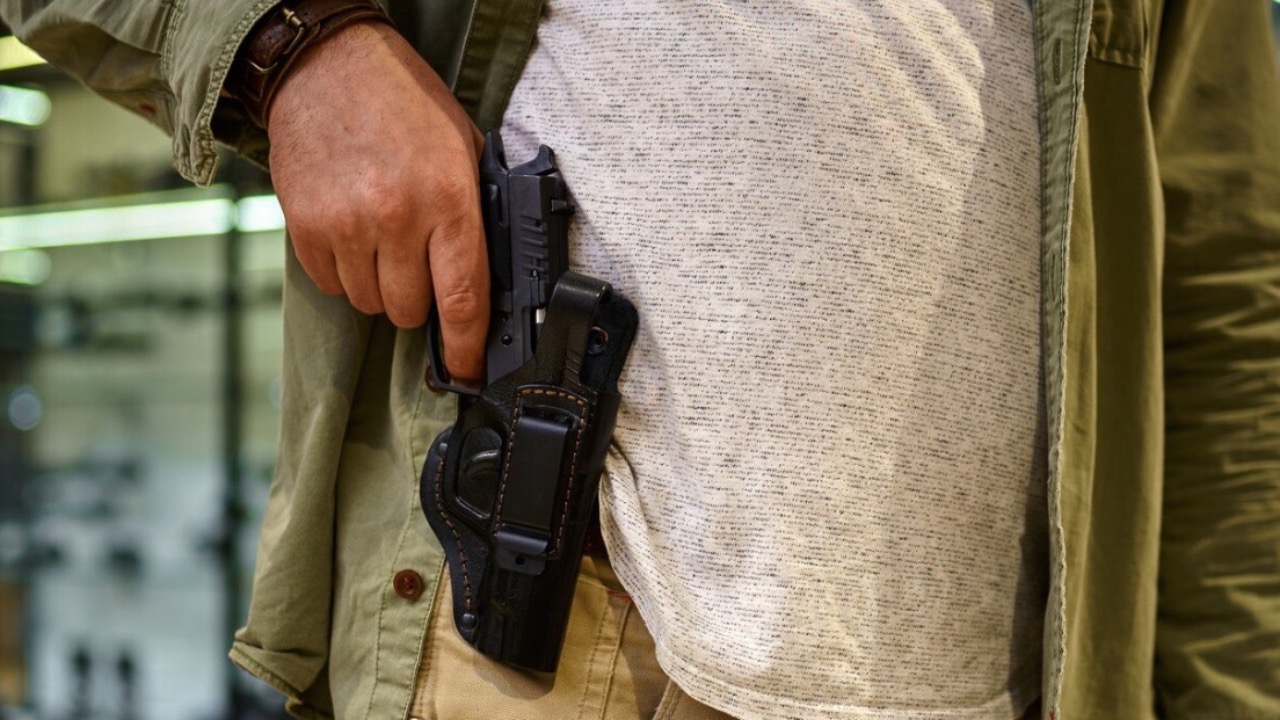
Hawaii’s law requires explicit permission from property owners before someone with a concealed carry permit can bring a handgun onto private land open to the public, like stores or restaurants. Challengers in Wolford v. Lopez argue this setup effectively blocks lawful carry in many common spaces. The Ninth Circuit mostly upheld the rule, creating tension with other circuits that have struck down similar requirements.
You run into this when visiting places that do not post clear signs or actively consent. The case tests how far states can go in regulating carry on private property without turning the right into something impractical. A ruling here would guide other states facing their own disputes over sensitive locations and consent rules.
Federal Ban on Gun Possession by Drug Users
In United States v. Hemani, the Court examines whether the longstanding federal prohibition on firearm possession by unlawful users of controlled substances or addicts holds up under the Second Amendment. The government points to historical rules targeting habitual drunkards as a parallel. The Fifth Circuit had concerns about the law’s breadth in some applications.
You see the stakes when considering marijuana users or others who might face federal charges despite state-legal activity. The decision could affect enforcement priorities and clarify timing—whether the restriction applies only during active impairment or more broadly. Many await how the justices draw lines around temporary versus ongoing disqualification.
Challenges to Large-Capacity Magazine Bans
Several petitions ask the Court to review state bans on magazines holding more than 10 rounds, common in places like California. Lower courts have split on whether these qualify as protected arms in common use for lawful purposes. Recent state court rulings add to the mix, with some striking down limits and others sustaining them.
You encounter these rules when buying standard equipment for rifles or handguns used in self-defense or sport. The cases probe whether capacity restrictions impose meaningful burdens that lack sufficient historical support. A grant here would resolve inconsistencies and influence similar laws nationwide.
Assault Weapons Restrictions in the Spotlight
Petitions challenge bans on semiautomatic rifles like AR-15 platforms in states such as Illinois and Connecticut. Justices have noted the popularity of these firearms, signaling interest in addressing the issue soon. Circuit disagreements and pending cases create pressure for review.
You think about home defense or recreational shooting when these laws come up. The disputes center on whether modern sporting rifles count as arms protected by the Amendment and if bans align with founding-era traditions. Resolution would affect millions who own or want to own such guns.
Felon-in-Possession Laws Under Scrutiny
Dozens of cases test the federal ban on firearm possession by people with felony convictions, both facially and as applied to non-violent or older offenses. The Court has denied many petitions but faces ongoing splits, especially involving drug-related priors. Some lower courts uphold the law broadly, while others carve out exceptions.
You consider restoration processes or second chances when reading about these challenges. The justices might wait for more development or use a strong vehicle to provide guidance. This area remains one of the most litigated post-Bruen, with real consequences for rehabilitation and rights.
Age-Based Purchase and Possession Rules
Laws restricting 18-to-20-year-olds from buying or possessing certain firearms face challenges in multiple circuits. Petitioners argue the Second Amendment covers young adults as part of “the people.” Splits have deepened, drawing attention from groups on both sides.
You recall military service or early adulthood responsibilities when these limits arise. Cases question historical analogies for age restrictions and their fit with modern expectations. Outcomes could reshape dealer rules and youth access across states.
Sensitive Places and Carry Restrictions
Disputes continue over what counts as a sensitive place where carry can be banned, beyond schools or government buildings. Hawaii’s property rule and similar local ordinances test the edges. The Court may provide more definition after current cases.
You navigate daily life wondering about parks, businesses, or transit. Clearer standards would help gun owners comply without guesswork and assist officials crafting enforceable rules.
The Supreme Court’s work in this area reflects careful navigation of constitutional text, history, and contemporary realities. As more decisions come down, they will continue influencing how rights and regulations coexist. Stay informed on arguments and opinions, because small shifts at the top can reshape practices far beyond Washington.

Asher was raised in the woods and on the water, and it shows. He’s logged more hours behind a rifle and under a heavy pack than most men twice his age.