With Iran Conflict Disrupting Global Oil Flows, How U.S. Shale Producers Are Poised — or Reluctant — to Fill the Gap
The ongoing Iran conflict has thrown global oil markets into chaos, with disruptions in the Strait of Hormuz cutting into one of the world’s most critical energy supply routes. Roughly 20% of global oil trade typically moves through that narrow passage, so even partial shutdowns have triggered price spikes and supply concerns worldwide.
As a result, attention has quickly shifted to the United States, now one of the world’s largest oil producers. On paper, U.S. shale companies seem like the obvious backup plan. But in reality, the situation is more complicated — they are positioned to help, but not necessarily rushing to do so.
Why U.S. shale looks like the natural fallback
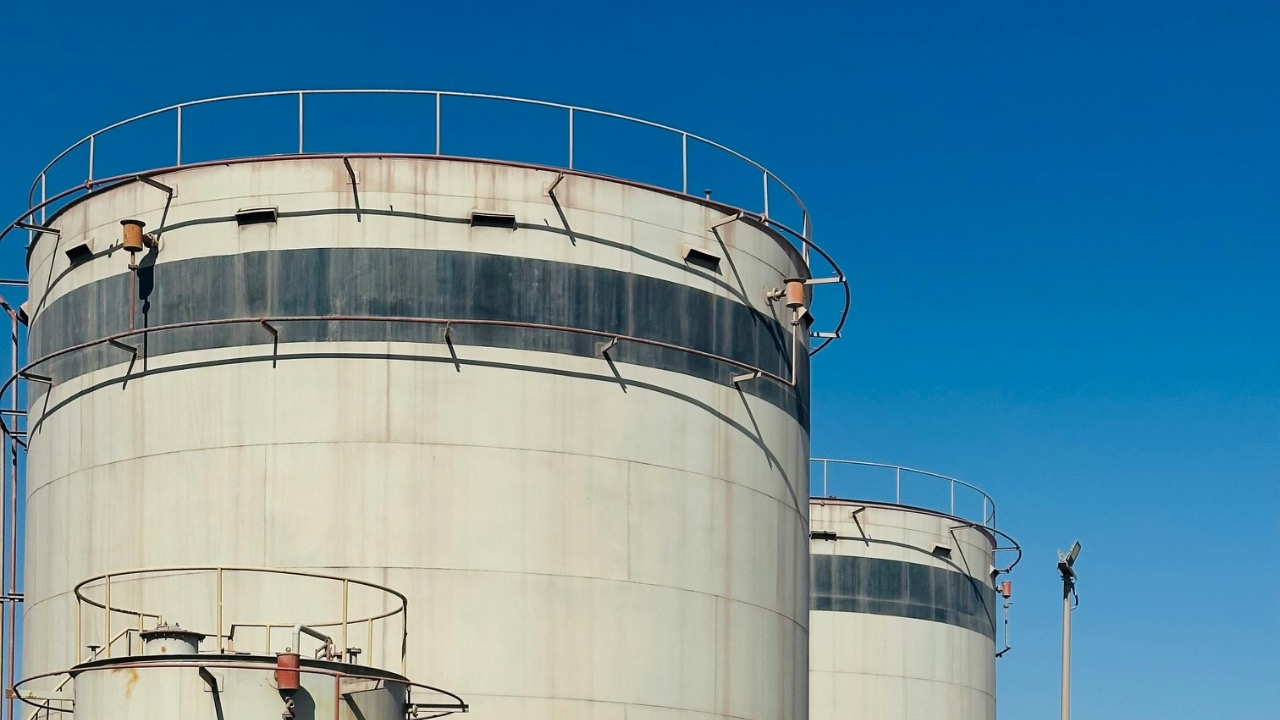
The U.S. has built a massive shale industry over the past decade, driven by advances in drilling technology and large-scale production systems. That growth has turned the country into a major exporter, with shipments recently hitting record levels as global demand increases.
When supply from the Middle East is disrupted, higher oil prices naturally create incentives for American producers to step in. Surveys of oil executives already show expectations that U.S. output will rise as the conflict continues and markets adjust to tighter supply.
In that sense, the U.S. has become something close to a “swing supplier,” able to increase exports and help stabilize global markets when disruptions hit elsewhere.
Why producers aren’t rushing to drill more
Even with higher prices, many shale companies are holding back. One major reason is uncertainty. Oil markets can change quickly, and producers don’t want to invest heavily in new drilling if prices drop just weeks later.
Instead, many companies are choosing to lock in profits through financial strategies rather than expand production aggressively. Analysts note that producers often prefer returning cash to investors instead of taking on the risk of rapid expansion during unstable conditions.
There’s also a timing issue. Increasing production isn’t instant — it takes time to deploy rigs, hire crews, and bring new wells online. By the time new supply arrives, market conditions could already be different.
Physical limits to how much shale can replace
Another key issue is scale. Even though U.S. shale production is large, it can’t fully replace a major disruption in Middle Eastern supply. Some estimates suggest global markets could face a supply shortfall of hundreds of thousands of barrels per day this year.
In more extreme scenarios, disruptions from the region could remove millions of barrels per day from global supply — far beyond what U.S. shale can quickly replace.
That means shale can help ease the pressure, but it can’t completely solve the problem, especially if disruptions last longer than expected.
The role of prices and long-term strategy
High oil prices are the biggest driver of what happens next. If prices stay elevated for a sustained period, producers are more likely to increase drilling and expand output. But if prices remain volatile, companies tend to stay cautious.
There’s also a shift in mindset compared to earlier years. In the past, shale companies often expanded aggressively when prices rose. Now, many are more focused on financial discipline, profitability, and shareholder returns rather than rapid growth at any cost.
This shift is one of the main reasons the response to the current crisis has been more measured than some might expect.
What this means for global energy markets
The bottom line is that U.S. shale producers are part of the solution, but not a complete fix. They can increase supply and help stabilize prices, but they are balancing that role against financial risk and long-term strategy.
At the same time, the disruption has exposed how dependent the world still is on key chokepoints like the Strait of Hormuz. Even with new sources of supply, a major disruption in that region sends shockwaves through the entire global economy.
For now, markets are stuck in a wait-and-see phase. If the conflict drags on, U.S. production will likely rise — just not as quickly or as dramatically as some might expect.

Leo’s been tracking game and tuning gear since he could stand upright. He’s sharp, driven, and knows how to keep things running when conditions turn.