What years in the field teach you that gear reviews never will
You can read gear reviews until your eyes glaze over, but they rarely tell you how equipment behaves after months of dust, cold mornings, wet packs, and rushed decisions. Time in the field teaches you what actually matters when things go sideways or when conditions stack up against you. You learn which details fade into the background and which ones quietly decide whether a hunt, trip, or season goes right. Experience strips away marketing claims and replaces them with practical priorities. These lessons come from miles walked, mistakes made, and fixes improvised when there’s no backup plan. Here’s what years outside teach you that no polished review ever will.
Comfort Always Beats Features
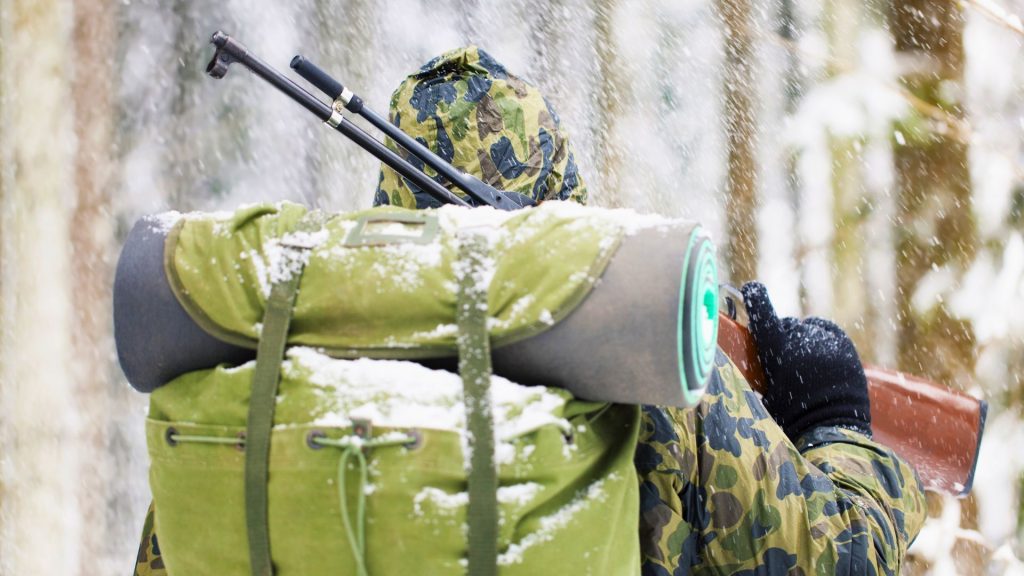
On paper, feature-heavy gear looks impressive. In the field, comfort decides whether you keep moving or start cutting days short. A pack with endless adjustment points doesn’t help if it rubs raw spots by noon.
After enough miles, you realize comfort stays consistent while features fade into the background. A jacket that moves with you matters more than pocket count. Boots that fit your feet beat any tread pattern discussion. Comfort keeps your focus where it belongs, and nothing in a spec sheet explains that feeling after a ten-hour day.
Durability Shows Up Late
Most gear works fine at first. The real test comes after repeated use, bad weather, and rough handling. Zippers, seams, and stitching don’t fail during review timelines.
Years in the field teach you which materials hold up when you’re tired and careless. Scratches, dents, and wear marks tell the truth. Gear that survives neglect earns trust, and you stop babying it. Reviews rarely capture how equipment behaves once the new wears off and real use begins.
Weight Matters More Than You Admit
At the truck, a few extra pounds don’t seem like much. After miles of uneven ground, every ounce announces itself. Weight becomes more noticeable with fatigue.
Field time teaches you that lighter gear doesn’t need to be fancy. It needs to work and disappear on your body. You learn to leave marginal items behind and prioritize pieces that earn their carry. Reviews mention weight, but they don’t explain how it compounds over days.
Reliability Beats Precision
Perfect performance in ideal conditions means little when weather turns or your hands go numb. Gear that works every time becomes priceless.
Years outside teach you that slightly less precision is fine if reliability stays high. You accept small compromises in exchange for consistency. Reviews often focus on best-case results, but the field teaches you to value gear that works when conditions are bad and your patience is thin.
Ease of Use Wins Under Stress

Complicated systems feel manageable at home. In the field, stress exposes every extra step. Cold fingers and low light punish complexity.
Experience teaches you to value intuitive operation. Gear should work the same way every time, without thought. The more tired you are, the more this matters. Reviews can explain controls, but they can’t recreate pressure or fatigue.
Fit Is Personal, Not Universal
Sizing charts don’t account for individual builds, movement styles, or posture. Field time teaches you what truly fits your body.
You learn how small issues become big ones over time. Shoulder straps dig in. Waist belts shift. Gloves bind at the wrong moment. Reviews can’t feel what you feel, and experience trains you to trust your own comfort over general praise.
Weather Resistance Is About Details
Most gear claims to handle weather. Years outside teach you that seams, closures, and design matter more than labels.
You notice where water sneaks in and where wind cuts through. Breathability becomes as important as protection. Real weather exposes shortcuts fast. Reviews mention ratings, but the field teaches you how gear behaves during long exposure.
Maintenance Reality Sets In
Gear looks great when clean. In the field, cleaning and maintenance happen less often than planned.
Experience teaches you to favor equipment that tolerates neglect. Mud, dust, and grime are constants. You learn which materials clean easily and which degrade fast. Reviews rarely address long-term upkeep, but field time makes it unavoidable.
Noise Becomes a Deal Breaker

Quiet gear matters more than most reviews suggest. Fabric noise, loose parts, and rattling components ruin moments.
Years in the field teach you to notice sounds you once ignored. You learn how movement amplifies noise in calm conditions. Gear that stays quiet earns a permanent place. Reviews rarely capture how sound carries when everything else is still.
Simplicity Saves Time
Extra options slow you down. Field time teaches you that straightforward gear keeps things moving.
You stop wanting adjustments you never use. Fewer failure points mean fewer problems. Simpler setups reduce mental load when decisions stack up. Reviews highlight versatility, but experience teaches restraint.
Redundancy Is Rarely Worth It
Carrying backups feels responsible until you realize how often they go untouched. Years outside teach you to trust proven gear.
You learn to carry one dependable option instead of two mediocre ones. Redundancy adds weight and clutter. Reviews can’t show how often backups stay buried in packs, unused.
Confidence Comes From Familiarity
The more time you spend with gear, the less you think about it. That’s when it starts working for you.
Years in the field teach you that confidence grows through repetition. You know how your equipment reacts without checking. Reviews introduce gear, but only experience builds trust. When gear fades into the background, you’re free to focus on the moment in front of you.

Asher was raised in the woods and on the water, and it shows. He’s logged more hours behind a rifle and under a heavy pack than most men twice his age.