Supreme Court Case on Glyphosate Could Set Major Precedent for Pesticide Liability and Farming Practices
The Supreme Court is weighing a case that could reshape how pesticide makers face accountability and how farmers manage their fields. In Monsanto v. Durnell, the justices heard arguments yesterday over whether federal rules on herbicide labels block state-level lawsuits claiming the product caused cancer. At stake are tens of thousands of claims against Bayer, which owns Monsanto, and the everyday practices that keep much of American agriculture running. The outcome, expected by late June, touches on science, regulation, and the balance between Washington oversight and jury decisions in courtrooms across the country.
You follow these stories because they connect distant courtrooms to the food on your table and the health concerns in your community. Glyphosate, the active ingredient in Roundup, transformed weed control when it hit the market decades ago. Now it sits at the center of a legal fight that could influence everything from product warnings to farming costs.
The Core Dispute Over Federal Preemption
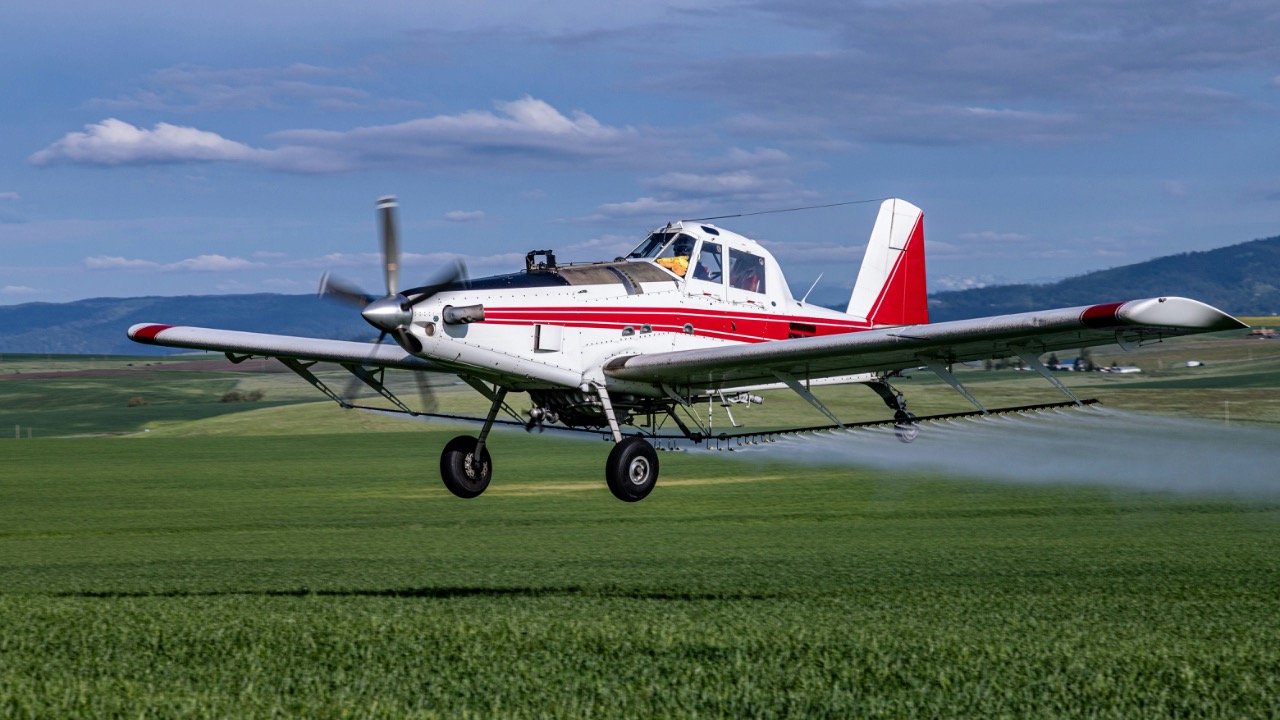
You see the tension between national standards and individual rights play out clearly here. The company argues that the Environmental Protection Agency approved the labels after reviewing safety data, so states cannot impose extra warnings through lawsuits. Federal law under FIFRA aims for uniform rules across the country to avoid a patchwork of requirements. A ruling for Monsanto would likely dismiss many failure-to-warn claims, shielding the manufacturer from billions in potential payouts.
At the same time, plaintiffs like John Durnell, who received a $1.25 million verdict in Missouri, contend that meeting federal minimums does not erase responsibility under state tort law. They point to evidence they say shows risks the EPA may have weighed differently. The justices appeared divided during oral arguments, probing how much room exists for juries to second-guess regulators while respecting congressional intent for national consistency.
Scientific Debate Surrounding Glyphosate
You encounter conflicting assessments when you look into the health data. The International Agency for Research on Cancer classified glyphosate as probably carcinogenic to humans in 2015, citing limited human evidence and stronger findings in animal studies along with genotoxicity concerns. Many plaintiffs link their non-Hodgkin lymphoma diagnoses to long-term exposure.
Regulatory bodies like the EPA maintain that glyphosate is not likely to cause cancer in humans when used as directed, drawing on a broader set of studies. This gap between classifications fuels the litigation and public uncertainty. Farmers and consumers alike watch for clarity, knowing the chemical remains one of the most widely applied herbicides in the world.
How the Ruling Could Reshape Manufacturer Accountability
Imagine the signal a decision sends through corporate boardrooms. A win for Bayer could discourage future suits by reinforcing that EPA-approved labels offer strong legal protection. Companies might invest less in additional warnings or post-market surveillance if federal clearance acts as a near-complete shield.
On the flip side, preserving state claims keeps pressure on manufacturers to monitor emerging science and communicate risks proactively. You benefit when accountability mechanisms encourage better testing and transparency, even if it raises costs that eventually reach the grocery aisle. The precedent would extend beyond glyphosate to other pesticides facing similar challenges.
Impacts on Everyday Farming Operations
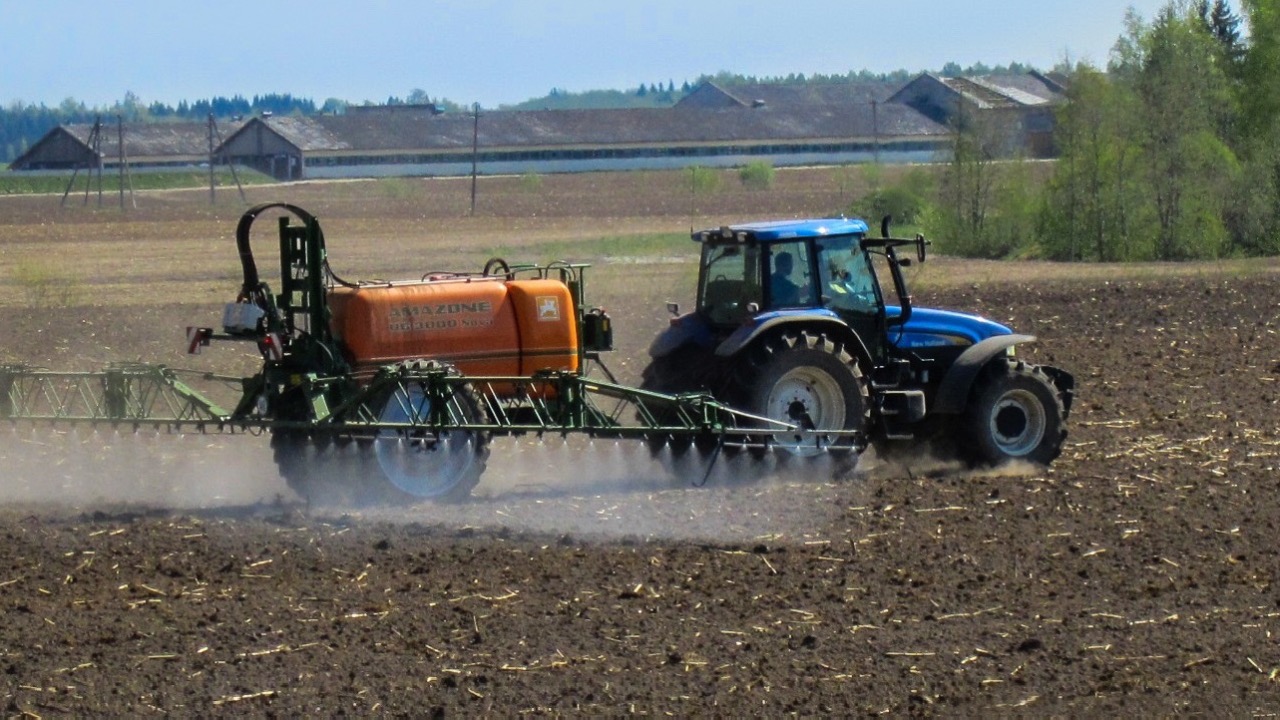
You rely on these tools if you manage land or buy from those who do. Glyphosate enables no-till and reduced-tillage systems that cut fuel use, soil erosion, and labor demands on vast acreages of corn, soy, and cotton. Losing easy access or facing higher liability risks could push producers toward alternatives that cost more or require different equipment.
Some operations might return to more mechanical weed control or different chemical mixes, potentially increasing overall inputs. Farmers already deal with resistant weeds that have diminished glyphosate’s effectiveness in places. A major shift could raise production expenses that filter through supply chains, affecting food prices and farm viability in regions where margins stay tight.
Broader Questions of Precedent for Other Pesticides
Consider how one case ripples across the industry. Success for preemption arguments might protect makers of various crop protection products from state tort claims when they follow EPA guidance. This could stabilize innovation pipelines but reduce incentives to address localized or long-term concerns that regulators miss initially.
You watch for effects on smaller producers and specialty crops too. Uniform federal rules simplify compliance nationwide, yet they limit states’ ability to respond to unique exposure patterns or community health data. The decision will test where the line falls between efficient national markets and responsive local protections.
What This Means for Consumers and Communities
You weigh personal exposure risks when choosing garden products or supporting certain agricultural methods. Many lawsuits involve applicators and nearby residents rather than just farm owners. A ruling that curtails claims could leave families feeling less empowered to seek remedies if future studies strengthen health links.
At the same time, sustained access to effective herbicides helps keep yields high and prices stable for the food you buy. The case highlights trade-offs between precaution and practicality. Communities near heavy-use areas track developments closely, hoping the final opinion balances safety with the realities of modern production.
Looking Ahead to Potential Outcomes and Adjustments
You prepare for different scenarios depending on the vote. A narrow decision might preserve some claims while limiting others, or a broader one could reset expectations for the entire sector. Either way, Bayer has pursued large settlements alongside its legal strategy, signaling awareness of ongoing exposure.
Farmers and advocates on all sides will adapt. Research into resistant weeds, alternative controls, and precision application continues regardless. The Supreme Court’s choice will influence conversations about regulation, liability, and agriculture for years, shaping how you think about the systems that feed the country.

Asher was raised in the woods and on the water, and it shows. He’s logged more hours behind a rifle and under a heavy pack than most men twice his age.