U.S.-Iran Standoff: Economic Pressures Mount Over Strait of Hormuz Access
Rising Tensions Around a Critical Waterway
The standoff between the United States and Iran has increasingly centered around the Strait of Hormuz, one of the most important shipping routes in the world. This narrow passage connects major oil-producing regions to global markets, which is why any disruption there quickly gets attention far beyond the region.
Recent developments have pushed tensions higher, with both sides taking actions that limit access and increase uncertainty. What might have once been a regional issue is now affecting global trade, energy prices, and political stability at the same time.
Shipping Traffic Drops as Restrictions Tighten
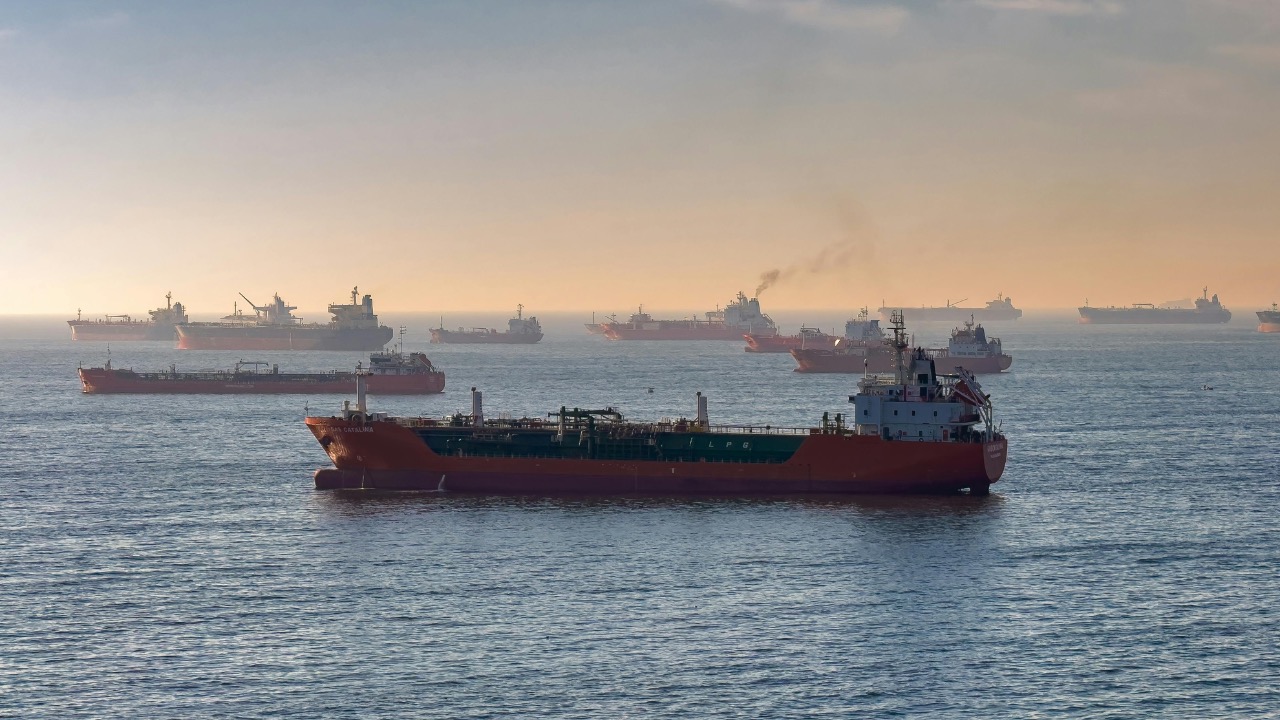
One of the clearest signs of the situation is how much shipping traffic has slowed down. Before the conflict escalated, well over a hundred vessels would pass through the strait daily. Now, that number has dropped dramatically in some cases to just a fraction of normal levels.
That slowdown reflects the risks companies are trying to avoid. With blockades, threats, and uncertainty about safe passage, many shipping operators are choosing to delay or reroute shipments rather than take chances in a tense environment.
Oil Prices React Almost Immediately
As access to the strait becomes less reliable, energy markets have responded quickly. Oil prices have jumped significantly in a short period of time, driven by fears that supply could be disrupted even further.
That impact isn’t limited to global markets. Higher oil prices are already being felt by consumers, with fuel costs rising and creating ripple effects across transportation, travel, and everyday expenses.
Economic Pressure Builds on Both Sides
The standoff isn’t just about control of a shipping route — it’s also about economic leverage. The United States has used restrictions to limit Iran’s ability to export oil, putting pressure on its economy. At the same time, Iran has explored ways to respond, including proposals to charge fees for passage through the strait.
These moves show how the situation has shifted beyond military positioning into economic strategy. Each side is trying to use the strait not just as a location, but as a tool to influence negotiations and outcomes.
A Global Issue With No Quick Resolution
Because the Strait of Hormuz handles a significant share of the world’s oil and gas shipments, any disruption has global consequences. Even partial slowdowns can affect supply chains, pricing, and economic stability in countries far from the region.
For now, there’s no clear resolution in sight. Talks have stalled, tensions remain high, and the economic pressure continues to build. As long as access to the strait stays uncertain, the effects are likely to keep spreading beyond the immediate conflict.

Leo’s been tracking game and tuning gear since he could stand upright. He’s sharp, driven, and knows how to keep things running when conditions turn.