Musk and Business Leaders Weigh In on Political Violence After D.C. Incident
A shooting at a major event in Washington, D.C. has sparked strong reactions from business leaders and public figures, many of whom are speaking out about rising political violence in the United States. The incident, which forced a rapid evacuation of high-profile attendees, has become part of a broader conversation about safety, political tension, and how public discourse is shifting.
While details of the event are still being reviewed, the response has been immediate. Leaders across industries are emphasizing that incidents like this are no longer isolated, but part of a pattern that is getting harder to ignore.
Elon Musk and other business voices respond
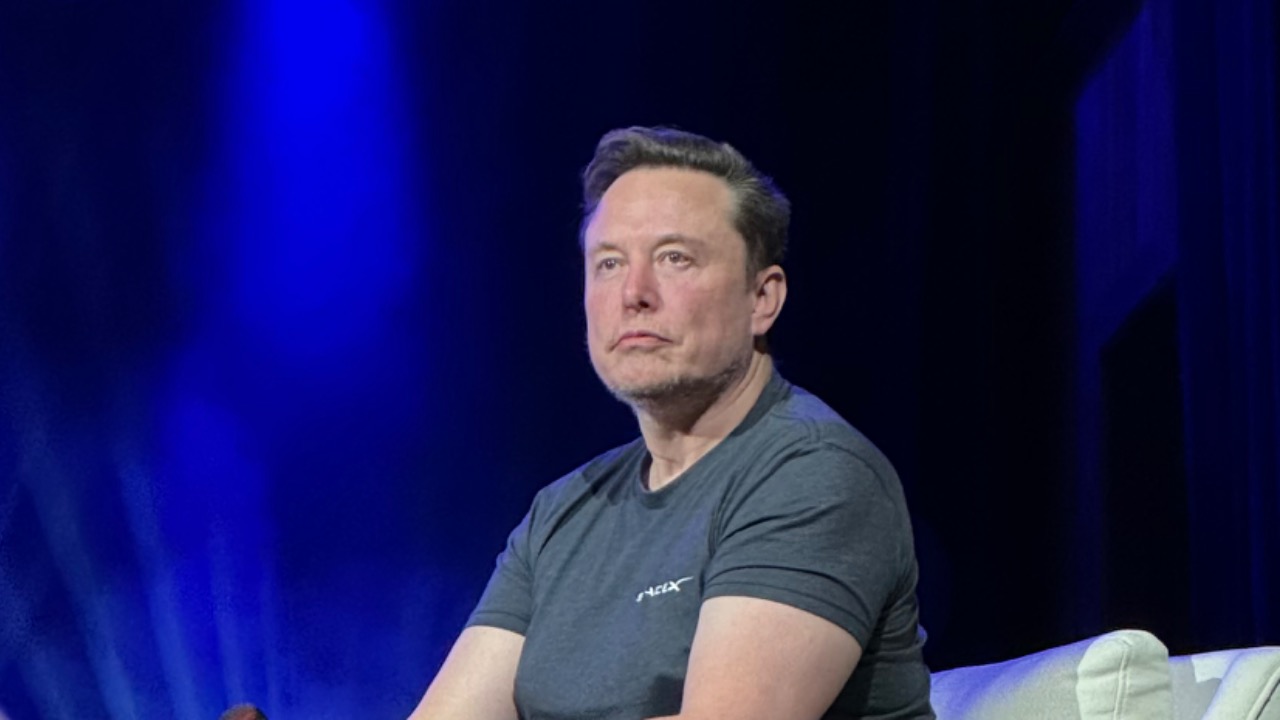
Elon Musk was among the most visible figures to react, echoing calls for unity and warning about the growing divide in the country. His comments aligned with a broader message from business leaders that political violence needs to be rejected regardless of political affiliation.
Other high-profile figures, including executives and media leaders, focused on the seriousness of the moment rather than politics itself. Many expressed relief that the situation did not lead to more casualties, while also pointing out how quickly things could have turned worse.
Mixed reactions highlight deeper divisions
Not all reactions landed the same way. Some comments from attendees drew criticism for appearing out of touch with the seriousness of the situation. The range of responses, from concern to controversial remarks, showed how divided public reactions can be even in moments of crisis.
This split reflects a larger issue: even when violence is widely condemned, people still interpret events through political or personal lenses. That makes it harder to create a unified response, even when the situation seems clear-cut.
A broader pattern of political violence
Experts and commentators say this incident fits into a growing trend of political violence in the U.S., where tensions have been building for years. Factors like polarization, online misinformation, and declining trust in institutions are often cited as contributing causes.
Recent events have shown that threats are no longer limited to one side of the political spectrum. Instead, they’re becoming a wider issue that affects public events, political figures, and even private citizens connected to political discussions.
Calls for de-escalation and accountability
In the aftermath, many leaders are calling for a shift in tone across politics and media. The message is fairly consistent: disagreement is part of democracy, but violence cannot become normalized.
There’s also growing discussion about accountability — not just for individuals who commit violent acts, but for the broader environment that may contribute to them. That includes rhetoric, online behavior, and how quickly extreme ideas can spread.
What happens next
The investigation into the D.C. incident is still ongoing, and more details are expected to come out over time. In the meantime, security measures around major events are already being reviewed, with officials looking at how to prevent similar situations in the future.
For business leaders and public figures, the moment has become more than just a reaction to one event. It’s part of a larger warning about where things could be heading if tensions continue to rise without efforts to bring them back down.

Leo’s been tracking game and tuning gear since he could stand upright. He’s sharp, driven, and knows how to keep things running when conditions turn.