Deadly new threat: Why experts warn America’s hidden caves and wild spaces are more dangerous than ever
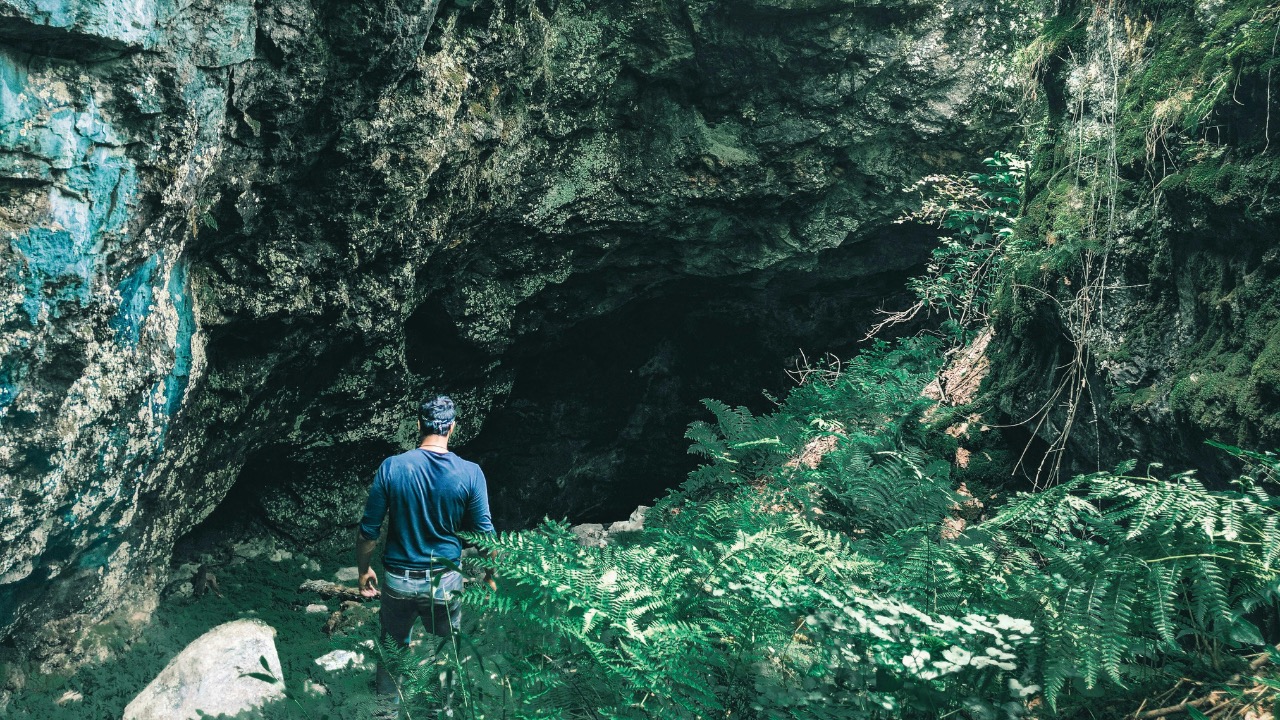
When people hear warnings about outdoor danger, they usually think of obvious risks like storms or wildlife. But experts are pointing to something less visible — the idea that some of America’s most remote caves and wild spaces may be becoming more dangerous in ways that aren’t always easy to see at first. It’s not about a single threat, but a mix of conditions that can turn routine exploration into something much more serious.
Part of the concern comes from how unpredictable these environments can be, especially once you’re far from help. Add in changing conditions, limited communication, and more people exploring remote areas than before, and the margin for error starts to shrink.
A growing concern in remote places
Talk to people who spend time in caves, canyons, or deep backcountry areas, and a pattern starts to show up. What used to feel like controlled risk is starting to feel less predictable. The concern isn’t one single danger, but a mix of factors making remote areas harder to rely on for safety than they used to be.
Experts say part of the issue is how quickly conditions can change. Weather shifts, unstable terrain, and limited access to help all add up in ways that can turn a normal outing into something more serious than expected.
Why caves and remote terrain are getting more unpredictable
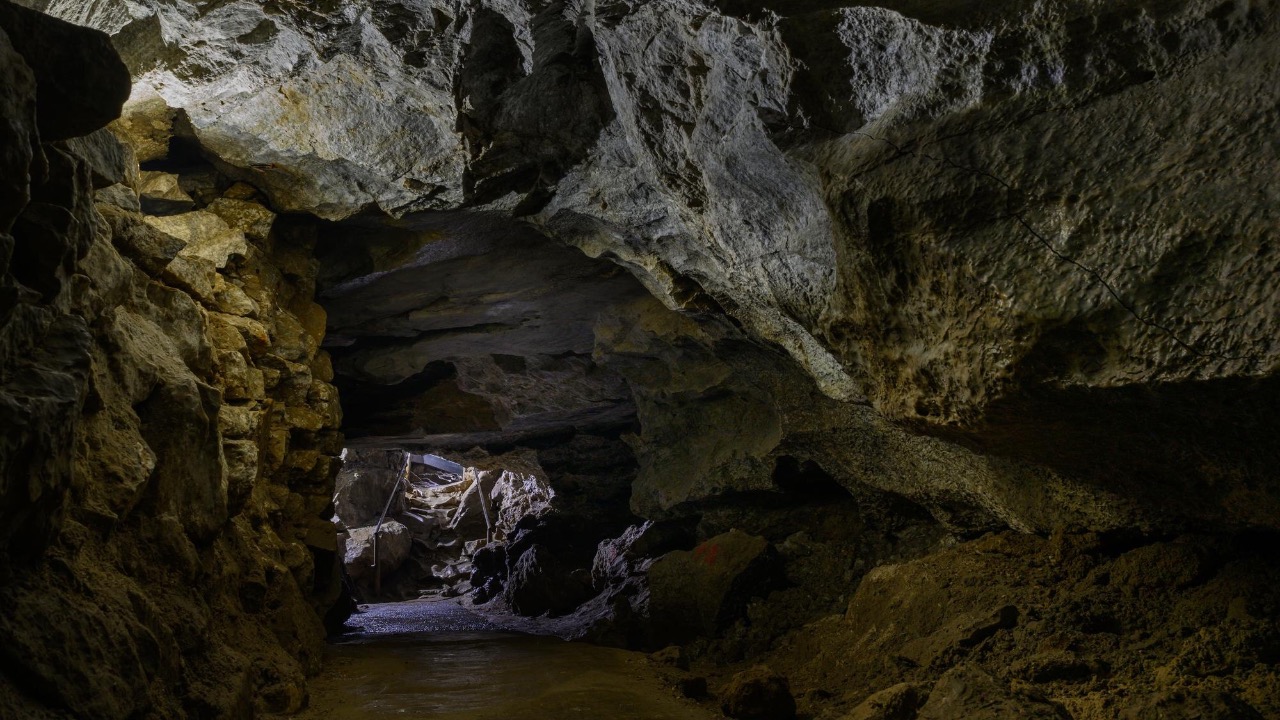
Caves in particular come with risks that aren’t always obvious at first. Rock structures can shift, air quality can vary, and water levels can change with little warning. Even experienced explorers can find themselves in situations that develop faster than anticipated.
In wider wilderness areas, the same idea applies. Trails erode, routes get blocked, and conditions that were safe last season may not be the same now. It’s not necessarily that the land is more dangerous on its own, but that small changes can have bigger consequences when you’re far from help.
Limited access to help changes everything
One of the biggest concerns experts point to is response time. In remote spaces, getting assistance isn’t quick or simple. Even minor injuries can become serious if evacuation takes hours instead of minutes.
That delay changes how risk is calculated. Activities that might feel manageable closer to roads or populated areas take on a different weight when you’re deep enough that communication is limited and extraction takes planning.
Why more people are taking risks outdoors
Another factor is how popular remote exploration has become. More people are heading into caves, canyons, and backcountry areas than before, often with mixed experience levels. Social media has also played a role, making remote locations feel more accessible than they actually are.
That increase in traffic doesn’t automatically make places unsafe, but it does raise the chances of mistakes, especially when people underestimate conditions or overestimate their own preparation.
What experts actually want people to understand
Most experts aren’t saying people should avoid these places entirely. The message is more about awareness than fear. Preparation, proper gear, and understanding local conditions make a major difference in reducing risk.
They also stress that “hidden” or remote doesn’t automatically mean dangerous — but it does mean less margin for error. When something goes wrong, there’s usually less room to recover quickly.
The bigger picture behind the warning
At the core of these warnings is a simple idea: remote environments don’t change much on their own, but how people interact with them does. As more people explore deeper areas with different levels of experience, the number of situations where things go wrong naturally increases.
For experts, the focus isn’t on stopping exploration. It’s on making sure people understand that distance from help, changing conditions, and limited visibility all stack together. And in those environments, small decisions can carry more weight than they seem at first.

Leo’s been tracking game and tuning gear since he could stand upright. He’s sharp, driven, and knows how to keep things running when conditions turn.