U.S. Sailors Warn Tanker ‘Prepare to Be Boarded’ as It Tries to Break Hormuz Blockade
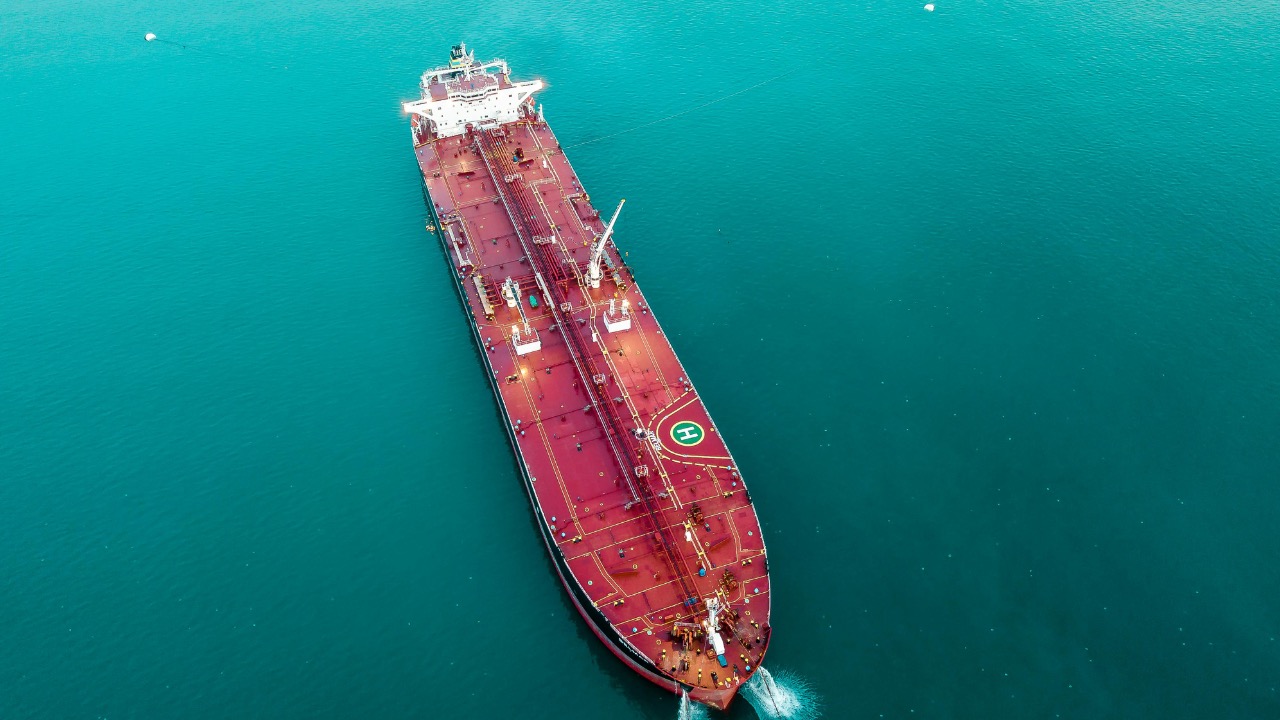
A tense maritime encounter reportedly unfolded near the Strait of Hormuz after U.S. Navy personnel issued a warning to a commercial tanker attempting to pass through a restricted zone. Communications included a clear message that the vessel should “prepare to be boarded,” signaling a possible enforcement action tied to escalating regional security concerns.
The Strait of Hormuz is one of the most sensitive shipping corridors in the world, handling a large share of global oil transport. Any disruption there immediately draws attention from naval forces and global markets. In this case, the situation reflects growing pressure around contested waters, where military presence and commercial traffic often overlap under strained conditions.
Escalation in maritime enforcement
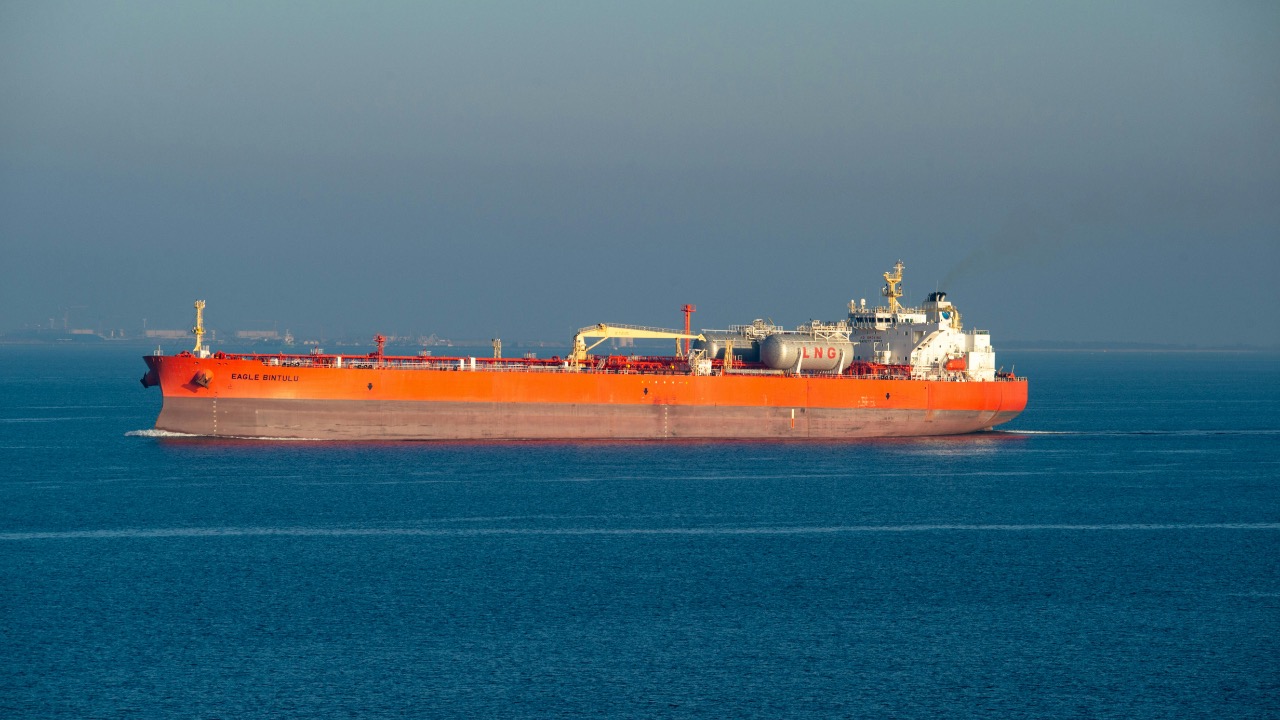
The reported warning highlights how quickly enforcement actions can escalate in high-risk shipping lanes. Naval forces operating in the region often monitor vessel movements closely, especially when ships appear to deviate from approved transit routes or when geopolitical tensions are high. A boarding warning is typically used as a final step before physical inspection or interception.
Situations like this are not uncommon in strategic waterways, but they become more sensitive when broader political disputes are already active. Even routine enforcement can be interpreted as escalation, depending on the surrounding diplomatic climate. That uncertainty adds pressure to both military commanders and commercial operators trying to navigate safely.
Strategic importance of the Strait of Hormuz
The Strait of Hormuz connects the Persian Gulf to open ocean routes and is considered one of the most important chokepoints in global energy transport. A significant portion of the world’s oil shipments passes through it daily, making uninterrupted access a priority for multiple countries.
Because of that importance, any suggestion of a “blockade” or restricted movement quickly draws international attention. Even limited interference can cause shipping delays, insurance cost spikes, and market volatility. That is why naval forces from multiple countries maintain a presence in the area to ensure traffic continues moving, even during periods of political tension.
Tension between commercial shipping and military control
Commercial shipping companies operating in the region must constantly balance efficiency with safety. Routes are planned carefully, but sudden warnings or military encounters can force vessels to change course or halt movement temporarily. These interruptions can have costly consequences, especially for large fuel or cargo shipments.
At the same time, naval forces argue that their presence is necessary to enforce maritime law and prevent unauthorized activity. The result is a narrow operational space where both sides are acting under different priorities but sharing the same waterway. That overlap is where most of the tension tends to surface.
Broader implications for global shipping stability
Incidents like this add to broader concerns about the stability of global trade routes. Even isolated events can ripple outward, affecting fuel prices, shipping insurance rates, and delivery timelines across multiple continents. Markets often react quickly to any perceived risk in the Strait of Hormuz due to its strategic importance.
For now, there is no indication of a sustained blockade or prolonged disruption, but the situation highlights how fragile maritime stability can be in contested regions. As long as geopolitical tensions remain elevated, similar encounters are likely to continue, keeping shipping companies and governments on alert.

Leo’s been tracking game and tuning gear since he could stand upright. He’s sharp, driven, and knows how to keep things running when conditions turn.