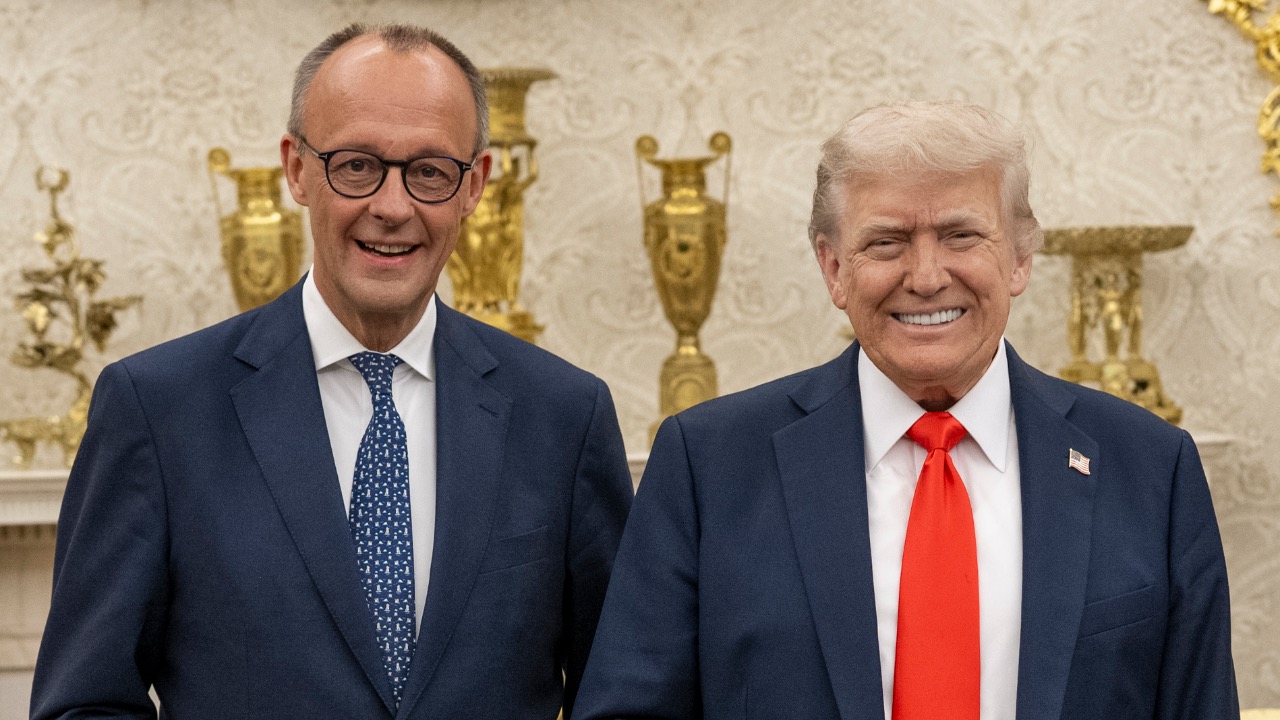
Trump Escalates Trade War With Europe as Germany Feud Threatens Key NATO Bases
Tensions between the United States and Europe have intensified after President Donald Trump moved forward with new trade pressure and renewed criticism of key NATO allies, especially Germany. The dispute comes at the same time as broader disagreements over military cooperation and how European countries are supporting U.S. actions in the ongoing Iran conflict.
Reports indicate the conflict is no longer just about tariffs or trade balances. It has started to spill into defense policy, with discussions about troop levels in Germany and how NATO bases in Europe could be affected if relations continue to worsen. That combination of economic pressure and military tension has raised concern across European capitals.
Trade pressure and political friction with Europe
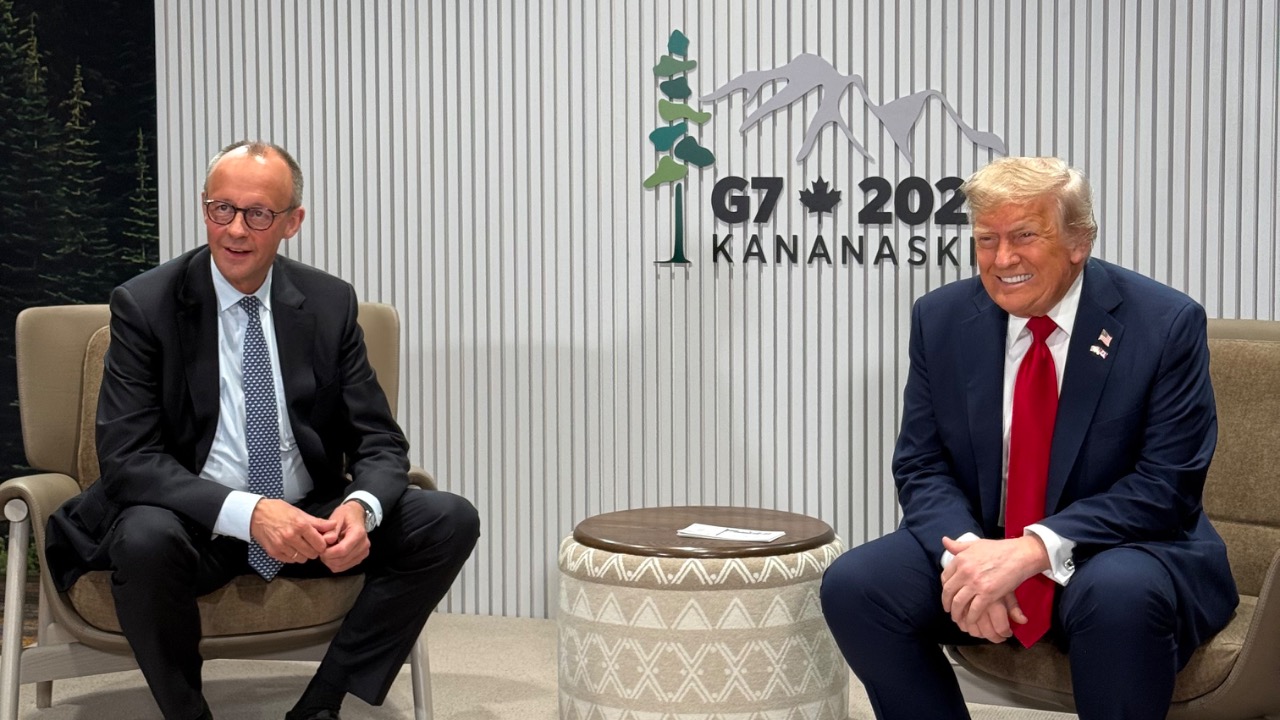
The trade side of the dispute centers on Trump’s push for tougher economic measures against European imports, continuing a pattern of tariff threats and trade renegotiation efforts. European leaders have pushed back, warning that escalating tariffs could damage both sides’ economies and disrupt long-standing agreements.
At the same time, officials in the European Union have been preparing countermeasures in case trade tensions worsen further. Earlier rounds of tariff threats already led to warnings of retaliation and concerns about a broader transatlantic trade conflict. The latest escalation has revived fears that economic cooperation between the U.S. and Europe could weaken further.
Germany becomes the center of the political clash
Germany has emerged as the main focal point of the dispute, with tensions rising between Trump and German Chancellor Friedrich Merz over comments tied to the Iran conflict. Trump has criticized Germany’s position and suggested that U.S. military presence in the country could be reduced if disagreements continue.
That has led to renewed uncertainty about the long-term stability of U.S. forces stationed in Germany. Reports confirm that plans are already in motion to withdraw about 5,000 U.S. troops, a move tied to broader strategic shifts and political friction between the two governments.
NATO bases and growing security concerns
The potential impact on NATO bases has become a major concern for European defense officials. Germany hosts key U.S. military installations, including logistics hubs and command centers that support operations across Europe and beyond. Any reduction in presence there would affect how quickly NATO can respond to regional crises.
While the U.S. has not fully committed to a long-term withdrawal, discussions about repositioning troops toward other regions have added uncertainty. European officials worry that even partial reductions could weaken deterrence at a time when tensions with Russia and instability in the Middle East remain high.
Europe responds by pushing for independence in defense
In response to the escalating friction, European leaders have begun talking more openly about reducing dependence on the United States for military protection. Some countries are increasing defense spending and exploring ways to strengthen regional coordination within NATO.
There is also growing political pressure inside Europe to respond more firmly to U.S. economic threats. While leaders continue to emphasize the importance of the transatlantic alliance, the tone has shifted toward preparing for a future where Europe may need to take on more responsibility for its own security.
What happens next
The situation remains fluid, with trade negotiations, military decisions, and diplomatic talks all moving at the same time. Neither side appears ready to fully back down, which keeps tensions elevated across both economic and defense fronts.
For now, the biggest risk is escalation through miscalculation. A trade decision, troop movement, or political statement could quickly influence the other side’s response. With NATO cooperation and global trade both in the balance, the coming weeks are likely to be closely watched in both Washington and European capitals.

Leo’s been tracking game and tuning gear since he could stand upright. He’s sharp, driven, and knows how to keep things running when conditions turn.