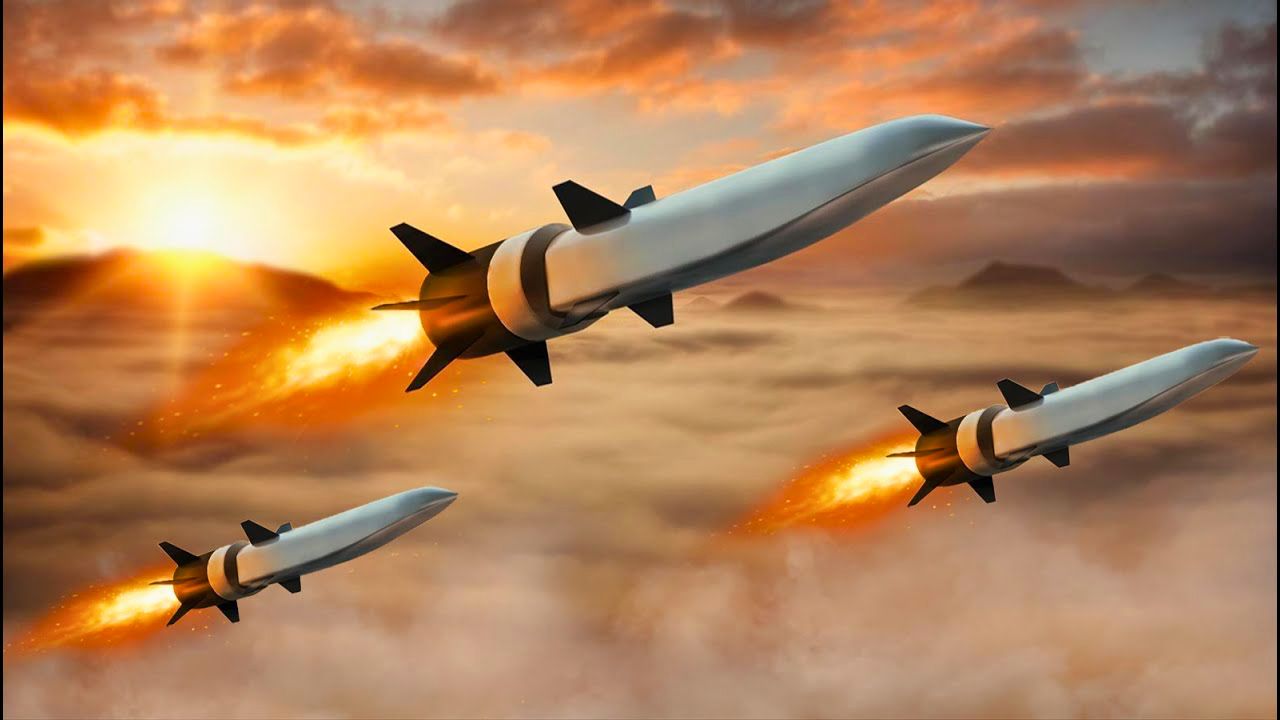
US Air Force requests $404m to produce HACM hypersonic cruise missile with Australian help
The U.S. Air Force is reportedly seeking around $404 million to move forward with production of the Hypersonic Attack Cruise Missile (HACM), a next-generation weapon being developed in partnership with Australia. The request signals a shift from testing and development into early production, showing the program is moving closer to real-world deployment.
The HACM project has become a key part of the U.S. military’s push to keep up with hypersonic weapons being developed by countries like China and Russia. Unlike traditional missiles, hypersonic systems are designed to travel at extremely high speeds and follow less predictable paths, making them harder to track and intercept.
What the HACM program is aiming to do
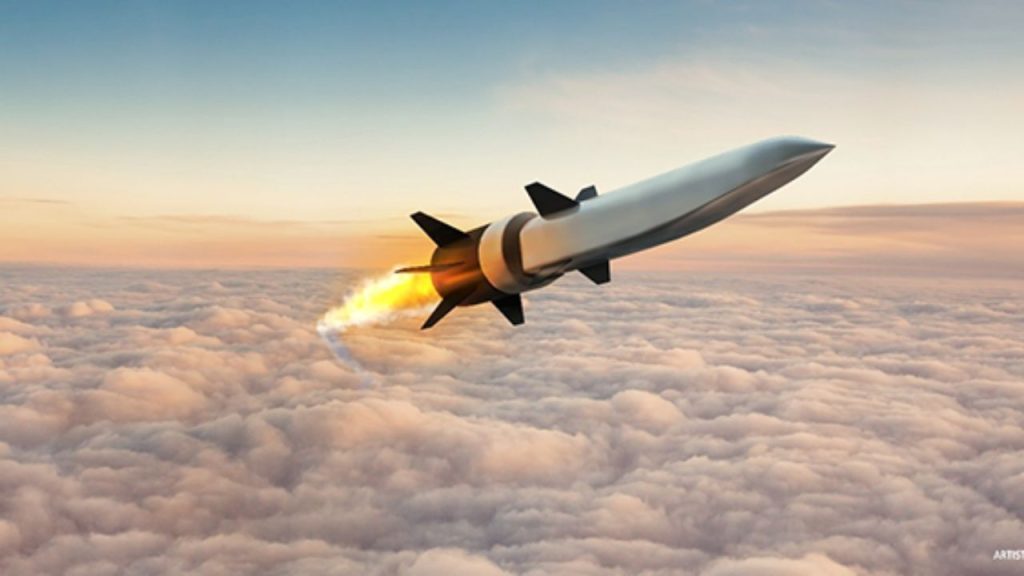
The HACM is an air-launched missile, meaning it would be carried and deployed from aircraft rather than ground systems. It uses a scramjet engine, which allows it to sustain speeds above Mach 5 while maneuvering mid-flight.
That combination of speed and maneuverability is what makes hypersonic weapons such a focus right now. The idea is to give the Air Force the ability to strike high-value or time-sensitive targets faster than current systems allow, while also making interception far more difficult.
Why Australia is involved in the project
Australia isn’t just a minor partner in this program — it plays a key role in both development and testing. The two countries have been working together on hypersonic technology for years, and Australian test ranges are expected to be used to support the program.
This partnership also helps both countries strengthen military coordination in the Indo-Pacific region. For Australia, it means gaining access to advanced weapons technology, while the U.S. benefits from shared costs and expanded testing capabilities.
Budget request signals a shift toward production
The reported $404 million request is important because it points to a transition from research into actual production planning. Earlier funding focused more on testing and development, but this step suggests the Air Force wants to start building deployable units.
Even so, the program isn’t fully complete. The missile is still expected to go through additional testing before reaching operational status, which is currently projected within the next few years if development stays on track.
Part of a larger hypersonic weapons race
The HACM isn’t the only hypersonic system under development, but it has become one of the Air Force’s main priorities after other programs faced delays or setbacks. The broader goal is to close the gap with other global powers that have already fielded similar capabilities.
This growing focus on hypersonic weapons reflects a larger shift in military strategy. Speed, precision, and the ability to bypass defenses are becoming more important than ever, especially in regions where advanced air defense systems are already in place.
What happens next
If funding is approved, the next phase would involve scaling production while continuing test flights to confirm performance and reliability. That process can take time, especially with complex systems like hypersonic missiles.
For now, the request highlights where defense priorities are heading. The HACM program is no longer just experimental — it’s moving toward becoming a real part of future military capabilities, with both the U.S. and Australia closely tied to its development.

Leo’s been tracking game and tuning gear since he could stand upright. He’s sharp, driven, and knows how to keep things running when conditions turn.