California Lawmakers Push ‘Preemptive Self-Defense Act’ to Shield Lawful Defenders From Civil Lawsuits
A new proposal in California is getting attention for how it could change what happens after a self-defense case is over. Lawmakers behind the bill say it’s meant to protect people who act lawfully from being dragged into civil lawsuits afterward. But as soon as the idea surfaced, it started a broader debate about where that line should be drawn.
Supporters argue the issue isn’t about changing what counts as self-defense. Instead, they say it’s about what comes next once a case is already decided.
What the Proposal Is Trying to Do
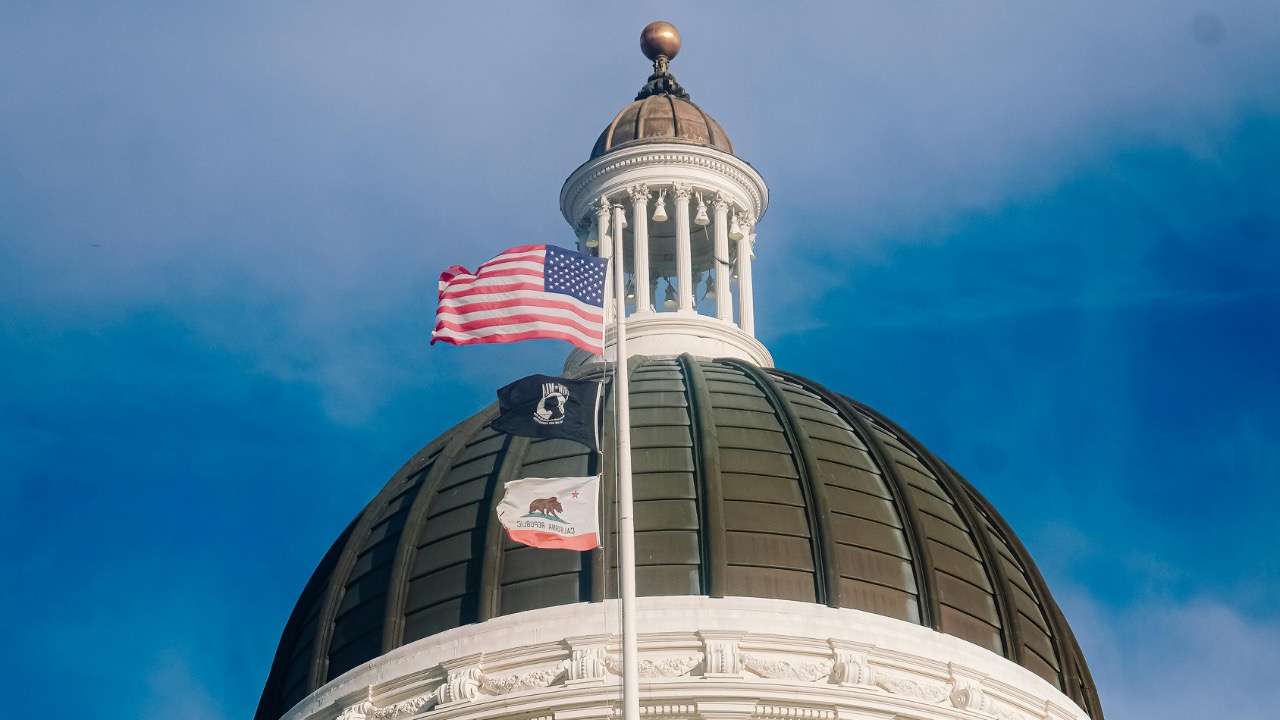
At its core, the proposed “Preemptive Self-Defense Act” is focused on limiting civil liability. The idea is that if someone is found to have acted in lawful self-defense, they shouldn’t then face a separate civil case over the same incident.
Backers of the bill say situations like that can put people in a difficult position. Even if they were cleared criminally, they may still have to deal with legal costs, time in court, and ongoing stress tied to the same event.
Why Supporters Say It’s Needed
Those in favor of the bill argue it’s about consistency. If the law recognizes that someone acted within their rights, they believe that should carry over into civil court as well.
They also point out that civil cases can still move forward even when no criminal wrongdoing is found. From their perspective, that creates a gap where people who were acting legally still face consequences afterward.
Concerns About How It Could Be Used
Critics see it differently. Some worry that limiting civil lawsuits could reduce options for people who feel they were harmed and want to pursue accountability through the courts.
Others raise questions about how “lawful self-defense” would be defined and applied in every situation. They argue that not every case is straightforward, and removing the ability to file a civil claim could make it harder to address more complex situations.
Why the Debate Is Picking Up
The discussion around this proposal has been growing because it touches on multiple issues at once — self-defense laws, civil liability, and access to the courts.
It also highlights a broader question that comes up often in legal debates: when one process ends, should another still be allowed to begin? That’s where most of the disagreement is centered.
What Happens Next
As the bill moves through the legislative process, it’s likely to continue drawing strong opinions from both sides. Supporters are focused on protecting individuals from extended legal battles, while critics are emphasizing the importance of keeping civil options available.
For now, the proposal adds another layer to an ongoing conversation about how self-defense is treated — not just in the moment it happens, but in everything that follows.

Leo’s been tracking game and tuning gear since he could stand upright. He’s sharp, driven, and knows how to keep things running when conditions turn.