Wildfires in the West force residents to evacuate as air quality plummets
You don’t have to live out West to feel it anymore, but if you do, you know how fast things can turn. One day it’s dry and windy, the next you’re watching smoke stack up on the horizon and checking your phone for evacuation alerts. Wildfires aren’t new, but the scale and speed have changed. Bigger burns, longer seasons, and more people in the path.
When the fires get moving, it’s not only about flames. It’s about air you can’t breathe, roads you can’t take, and decisions you have to make fast. Here’s how those situations are playing out on the ground right now.
Fast-Moving Fires Leave Little Time to React

You’re not always getting days to prepare anymore. In heavy wind and dry fuel, a fire can cover miles in a matter of hours. That changes how evacuations happen.
Instead of orderly rollouts, you’re seeing sudden alerts and immediate movement. People are loading trucks in a hurry, grabbing what they can carry, and leaving the rest. When fire behavior ramps up like that, it outpaces planning. You either move when told or risk getting trapped behind it. That urgency has become more common, and it puts pressure on both residents and first responders trying to stay ahead of it.
Smoke Is Reaching Far Beyond the Fire Line
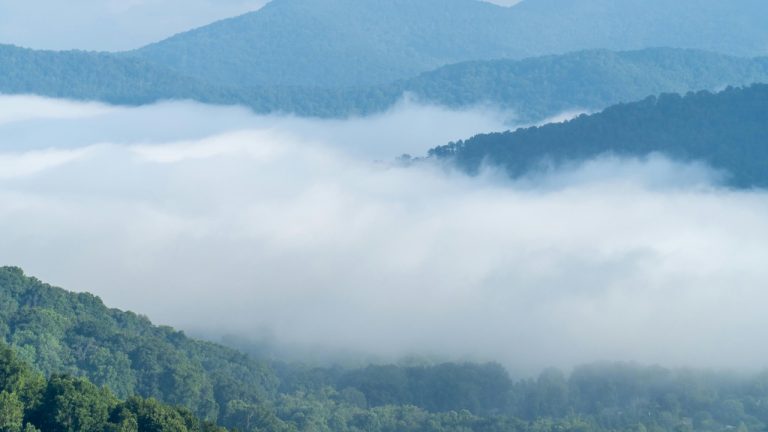
Even if the flames are miles away, the smoke finds you. Thick haze settles into valleys and towns, turning the sky dull and the air harsh to breathe.
Fine particles in wildfire smoke don’t stay put. They travel across counties and even state lines, affecting people who aren’t anywhere near the burn. You feel it in your chest, your eyes, your energy. For folks with existing health issues, it can get serious fast. Air quality warnings are now part of the routine during fire season, and sometimes the smoke lingers longer than the flames themselves.
Evacuations Are Becoming More Frequent
If you live in fire-prone country, evacuation isn’t a rare event anymore. Some communities have had to leave multiple times in a single season.
That kind of disruption wears on people. You start keeping bags packed, vehicles fueled, and plans ready. It’s not panic—it’s habit. Over time, repeated evacuations change how you live day to day. You think about access roads, defensible space, and how quickly you can get out. It becomes part of the rhythm of living in those areas.
Dry Conditions and Fuel Build-Up Are Driving Intensity
Years of drought, heat, and dense vegetation have created conditions where fires burn hotter and harder. When fuel loads stack up, fires don’t creep—they run.
You’re seeing more crown fires, where flames move through treetops instead of staying low. That makes them harder to control and more dangerous for crews on the ground. Even managed forests can struggle under extreme conditions. Once a fire reaches that level, suppression becomes about steering it rather than stopping it outright.
Firefighting Resources Are Spread Thin
There are only so many crews, aircraft, and engines to go around. When multiple large fires are burning at once, resources get stretched.
You might see slower response times or limited presence in certain areas, not because people aren’t working, but because they’re already committed elsewhere. Priorities shift to protecting lives and structures first. Remote areas and backcountry can burn unchecked for longer stretches. That’s a hard reality when fire season overlaps across several states at once.
Power Shutoffs and Road Closures Add to the Strain
When fire risk spikes, utilities may cut power to prevent sparks from lines. It’s a safety measure, but it changes everything for the people living there.
You lose refrigeration, communication, and sometimes your only reliable way to get updates. At the same time, roads close as fires move or conditions worsen. Routes you planned to use might not be available when you need them. That combination—no power and limited escape routes—forces you to stay flexible and ready to change plans on the fly.
Wildlife Gets Pushed Into New Areas
As fires move through habitat, animals don’t disappear—they relocate. You’ll see deer, elk, and smaller game shifting into areas they don’t usually occupy.
That can lead to more encounters near roads and towns. It also changes hunting patterns later on. Burned ground can recover into good habitat over time, but in the short term, it displaces everything. If you spend time outdoors, you’ll notice those shifts. It’s another reminder that fire doesn’t only affect people—it reshapes the land and everything living on it.
Recovery Takes Longer Than Most Expect
Once the flames are out, the work isn’t over. Burn scars can take years to stabilize, especially in steep country.
You’re dealing with erosion, flash flooding, and damaged infrastructure. Trails wash out, roads need repair, and vegetation doesn’t come back overnight. Some areas recover well, others take decades. For the people who live there, it’s a long road back. The fire might pass in days or weeks, but its impact sticks around a lot longer than that.
You can’t control when or where a wildfire starts, but if you spend time out West, you learn to respect how fast it can change your plans. Staying aware, staying ready, and knowing when to move—that’s what keeps you ahead of it.

Asher was raised in the woods and on the water, and it shows. He’s logged more hours behind a rifle and under a heavy pack than most men twice his age.