Donald Trump admits on camera that US has lost track of weapons supplied to arm Iranian protesters
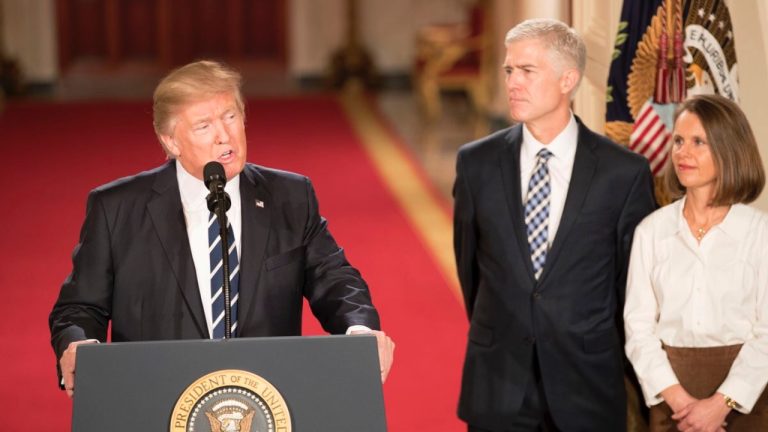
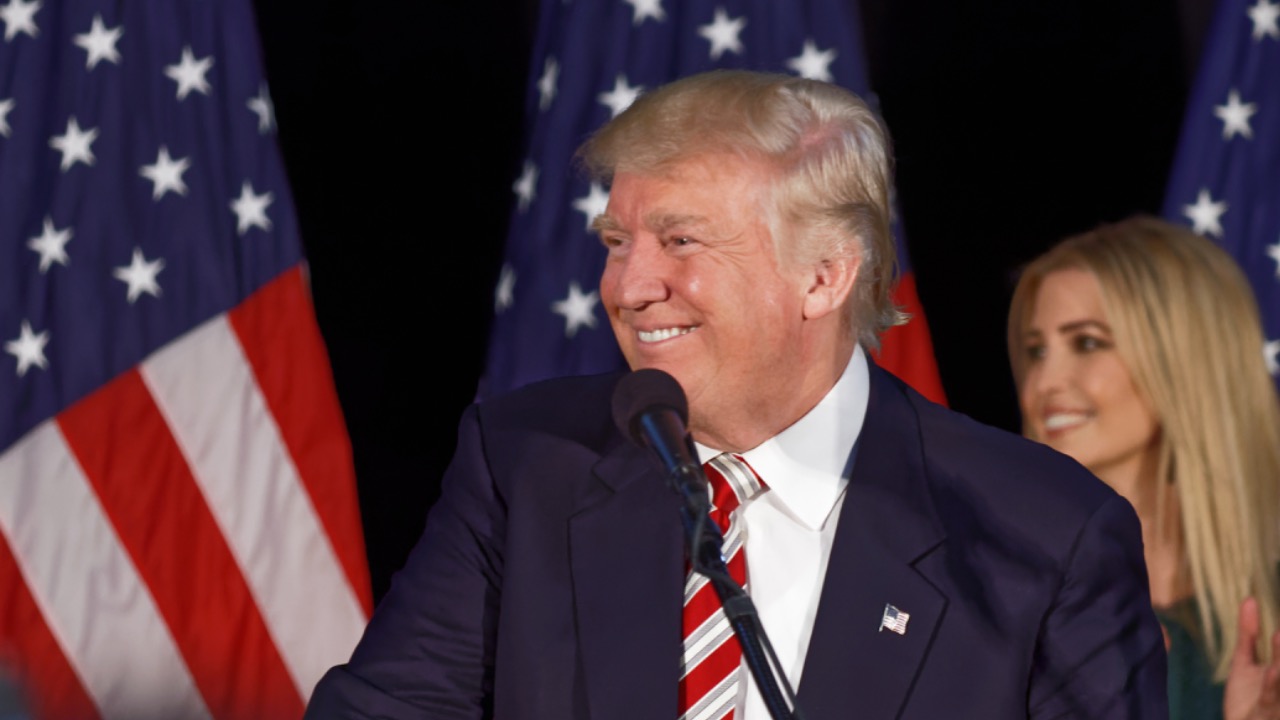
Recent reports and video clips have drawn attention after Donald Trump acknowledged that weapons the U.S. intended to send toward Iranian protesters are no longer accounted for. The comments came during a public appearance, where he expressed frustration about how the situation was handled.
According to his remarks, the weapons were reportedly sent through intermediaries, but it’s unclear whether they ever reached their intended destination. Instead, Trump suggested that the equipment may have been diverted or kept by groups involved in the transfer process, leaving officials uncertain about where those weapons ultimately ended up.
What Trump actually said
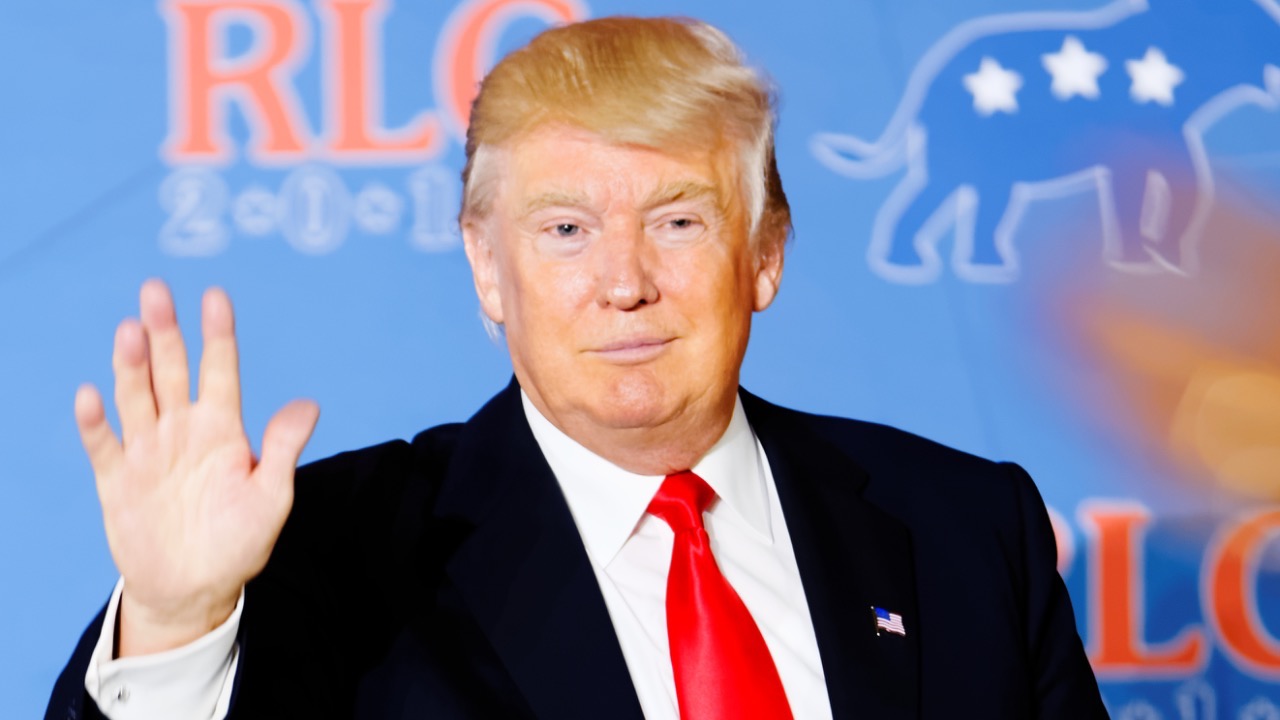
In the footage and related reporting, Trump described the situation as something he was “not happy” about, noting that only a limited amount of weapons had been sent but their current location is unknown. His comments pointed to a breakdown somewhere in the chain of delivery.
He also indicated that the U.S. relied on outside groups to move the weapons, which adds another layer of uncertainty. In some accounts, he suggested that those intermediaries may have kept the weapons instead of passing them along, though details remain unclear and disputed.
How the weapons were supposed to be used
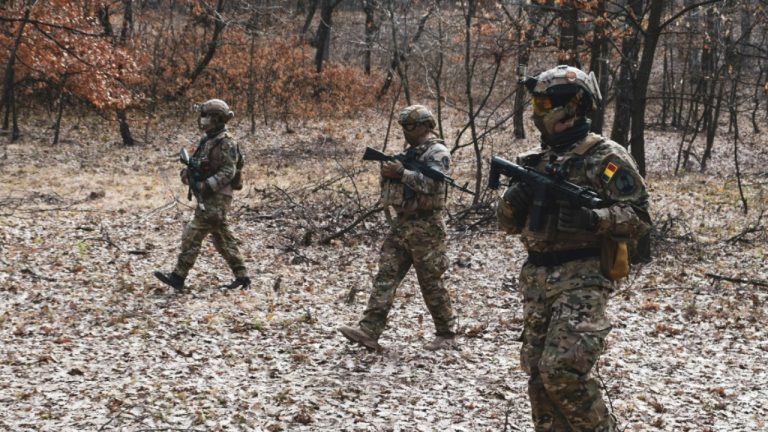
The weapons were reportedly part of an effort to support anti-government protesters in Iran during a period of unrest. The idea, based on Trump’s own description, was to indirectly assist opposition groups challenging the Iranian government.
However, there’s no clear confirmation that the weapons ever reached those protesters. Some reports suggest the plan relied heavily on unofficial channels, which can make tracking and accountability much more difficult compared to formal military operations.
Why this raises concerns
The biggest issue isn’t just that the weapons are missing — it’s the lack of clarity around where they went. When military equipment is unaccounted for, it raises questions about oversight, control, and long-term risk.
Situations like this can become complicated quickly, especially in active conflict zones or politically unstable regions. Even a relatively small amount of equipment can have outsized consequences if it ends up in the wrong hands or is used in unintended ways.
Broader context around the situation
This development comes during a wider period of tension involving the U.S. and Iran, including conflict, protests, and economic pressure. The idea of supporting protesters has been part of the broader strategy discussed publicly by U.S. leadership.
At the same time, critics argue that using indirect methods like third-party transfers increases the chances of exactly this kind of outcome. Supporters, on the other hand, say these approaches are sometimes necessary when direct involvement isn’t possible.
What happens next
For now, there’s no clear resolution to where the weapons ended up. The situation highlights how difficult it can be to manage operations that rely on multiple actors and unofficial channels.
Going forward, the focus will likely be on whether more information comes out about the transfer process and whether any accountability measures are taken. Until then, the admission itself has added another layer of controversy to an already tense geopolitical situation

Leo’s been tracking game and tuning gear since he could stand upright. He’s sharp, driven, and knows how to keep things running when conditions turn.