Hunter Sues After Allegedly Being Wrongfully Arrested While Glassing Deer
A Greenville County deer hunter who says he was doing nothing more than glassing a roadside buck now finds himself at the center of a high‑stakes civil rights fight. After a poaching sting involving a fake deer ended with him in handcuffs and a night in jail, he is suing the South Carolina Department of Natural Resources, arguing that officers turned routine wildlife enforcement into a personal crusade that cost him his reputation and nearly his livelihood.
The case of TIMOTHY SHANE HUFFMAN has already toppled the criminal charge that threatened his ability to hunt, and it is now moving into civil court where he claims wrongful arrest and malicious prosecution. Body camera footage, court filings and investigative reporting have combined to raise pointed questions about how far game wardens can go when they set out to catch poachers, and what happens when they target the wrong person.
The Night a “Career Case” Fell Apart
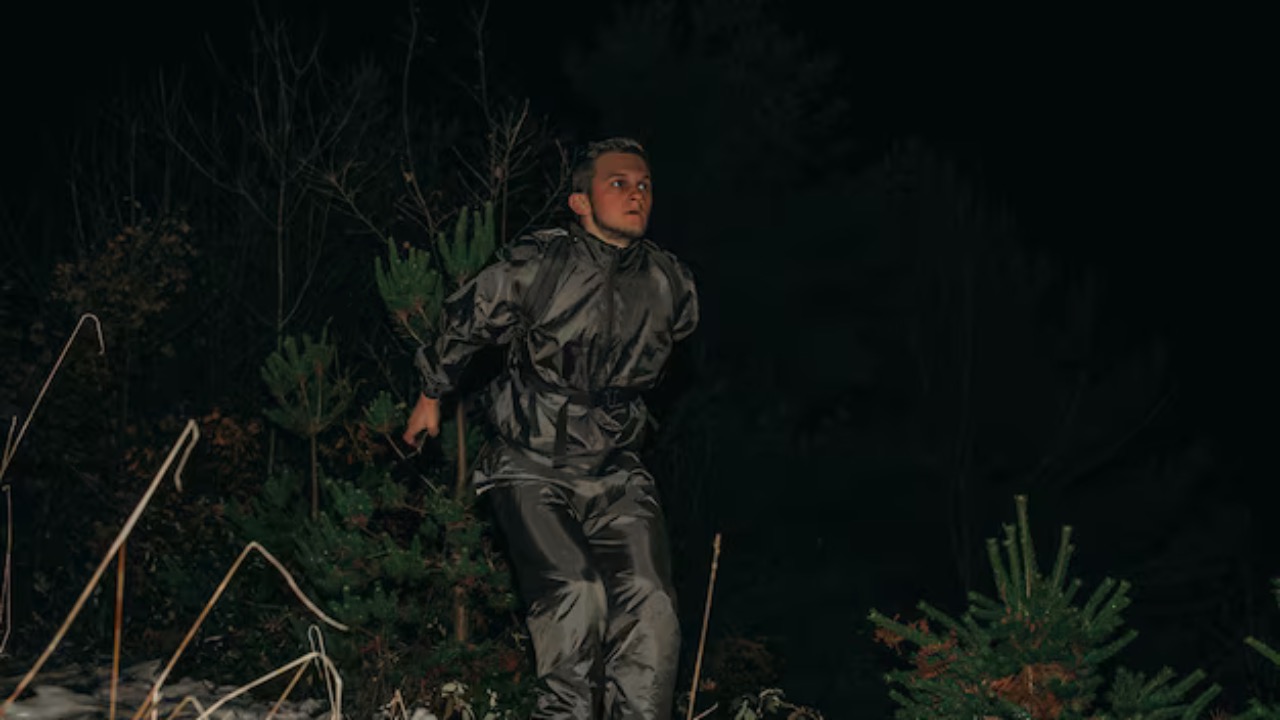
The confrontation that sparked the lawsuit unfolded during a 2024 sting in Greenville County, where South Carolina game wardens were using a deer decoy to catch illegal spotlighting. According to investigative records, officers with the South Carolina Department of Natural Resources (often referred to as SCDNR) had staged what one of them later described as a potential “career” case, a high‑profile bust they believed could showcase aggressive poaching enforcement. Instead, the operation ended with the arrest of Shane Huffman, who maintains that he had simply stopped his truck, looked at the decoy through binoculars while his rifle remained in the vehicle, and then tried to drive away when he realized the deer was not moving.
Video and court documents show that as Huffman pulled off, officers moved in, ordered him out of the truck and ultimately arrested him on a hunting violation tied to the decoy encounter. The agency framed the incident as part of a broader push against illegal night hunting, but the case soon unraveled in Greenville County court, where a judge dismissed the charge for lack of evidence. That outcome, detailed in investigative records, turned what was supposed to be a showcase prosecution into a liability for the officers involved and for South Carolina DNR leadership.
Who Is TIMOTHY SHANE HUFFMAN?
The hunter at the center of the dispute is identified in Greenville County filings as TIMOTHY SHANE HUFFMAN, a local outdoorsman who had built much of his free time and social life around deer season. Court documents list the civil case as “10082025 TIMOTHY SHANE HUFFMAN V SCDNR,” a caption that now formally pits him against the statewide law enforcement agency tasked with policing South Carolina’s woods and waterways. For Huffman, the sting did not just produce an embarrassing traffic stop; it threatened the “career” of hunting that he had cultivated over years of buying tags, managing land and mentoring friends and family in the field.
Huffman’s lawsuit paints a picture of a law‑abiding hunter blindsided by officers who, in his telling, were determined to make an example out of someone that night. His legal team argues that the charge and the way it was pursued put his reputation in jeopardy in his community and among fellow sportsmen. The filing, summarized in Greenville County court, accuses SCDNR of denying each of Huffman’s allegations even as the underlying criminal case collapsed.
Inside the Dummy Buck Poaching Sting
Wildlife officers across the country routinely use deer decoys to catch road hunters who shoot from vehicles or along rights of way, and the Greenville County sting followed that familiar playbook. Officers placed an inanimate buck, described in one report as “like a Christmas decoration,” near a roadway and waited for passing drivers to react. When Huffman stopped his truck and raised binoculars, the officers interpreted his interest as the first step toward an illegal shot, even though the deer never moved and there was no evidence he fired or even shouldered his rifle. The decoy, as one description put it, was “just as inanimate” as a yard ornament, yet it was enough to trigger the stop that would spiral into an arrest.
According to an account drawn from Greenville County records, the officers later suggested that they had been watching Huffman and were prepared to “stop him no matter what,” a phrase that now looms large in the civil complaint. That language appears in a summary of Greenville County court that Huffman’s attorneys cite as evidence of a pre‑determined effort to arrest him rather than an objective assessment of what actually happened at the decoy site. To Huffman and his supporters, that detail suggests the sting drifted from targeted poaching enforcement into something closer to a personal mission against a specific hunter.
Body Cameras, Binoculars and a Night in Jail
The strongest public window into the encounter comes from body camera footage that captured the stop, the officers’ explanations and Huffman’s reactions in real time. The video shows officers approaching after he looked at the decoy through binoculars and telling him that “you can’t stop and look at a deer with a gun in the truck,” a statement that his attorneys say misstates South Carolina hunting law. The footage also records Huffman grimacing in pain during the arrest as an S.C. Department of Natural Resources officer applies handcuffs, an image that has circulated widely among hunters who see the case as an example of enforcement gone too far.
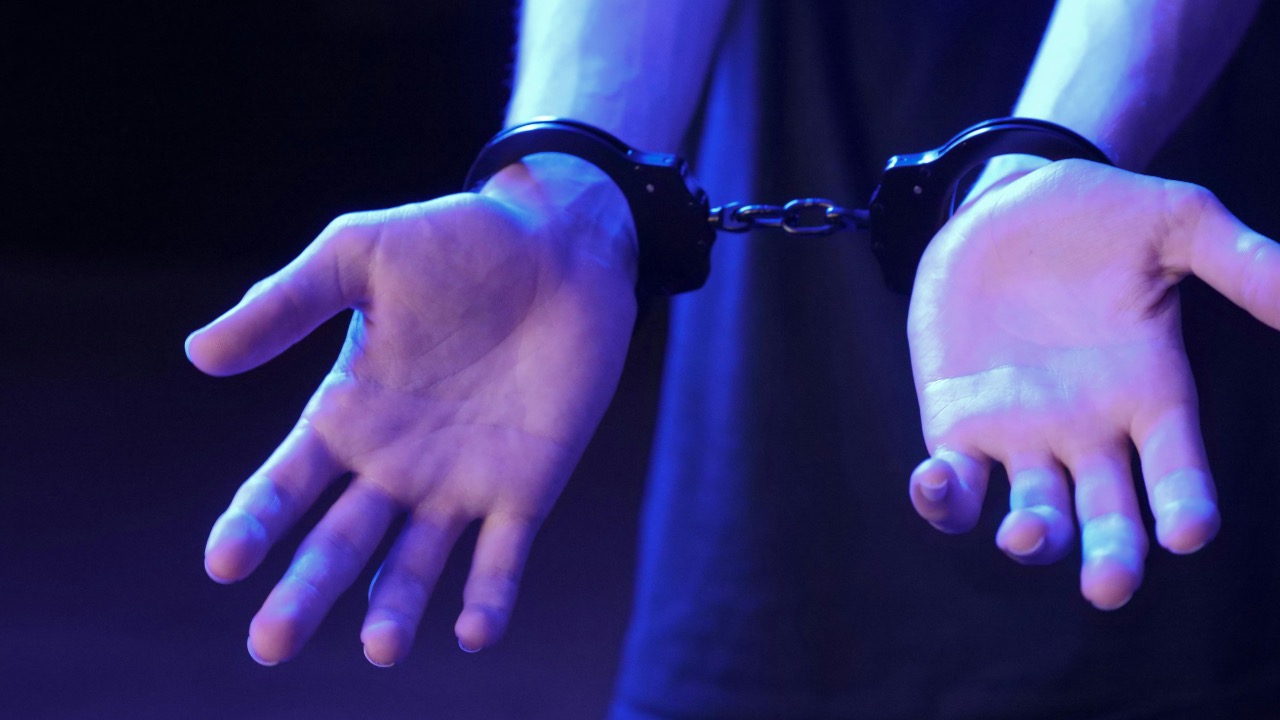
Huffman spent the night in jail on the hunting charge, a stark outcome for a man who insists he never fired a shot at what turned out to be a fake deer. The body cam footage, later released as part of an investigative report, has fueled criticism of the officers’ judgment and of the agency’s handling of the case. A social media clip summarizing the arrest notes that after he was stopped for looking at the deer decoy through binoculars, a game warden delivered the sweeping warning about not being allowed to “stop and look” with a gun in the truck, a claim highlighted in a body cam reel that has drawn intense scrutiny from legal analysts and hunters alike.
From Criminal Charge to Civil Lawsuit
The criminal side of the saga ended when a Greenville County judge dismissed the charge against Huffman, citing insufficient evidence to prove that he had committed an illegal hunting act during the sting. That ruling effectively erased the immediate legal threat but left behind lingering questions about why the case had been brought in the first place. For Huffman and his attorneys, the dismissal became the foundation for a broader claim that the arrest itself lacked probable cause and that the prosecution was driven more by officer ambition than by facts.
Huffman’s civil complaint accuses SCDNR of false arrest and malicious prosecution, arguing that the officers’ conduct violated his rights and inflicted lasting damage. One of his attorneys, Lori Murray, has said publicly that the lawsuit is moving forward and could ultimately be decided by a jury. A detailed account of the civil case notes that Huffman is seeking accountability from the South Carolina DNR for what he describes as an abuse of power during the sting. The agency, for its part, has filed responses denying his allegations, setting up a legal clash that will test how courts view aggressive wildlife enforcement tactics when the underlying charge does not hold up.
SCDNR’s Response and the “Career Case” Backfire
For the South Carolina Department of Natural Resources, the Huffman case has shifted from a showcase operation to a public relations problem. Internal characterizations of the sting as a “career” case now read as ironic in light of the dismissal and the civil lawsuit that followed. Investigative reporting has described how the officers involved saw the sting as an opportunity to make a name for themselves, only to face accusations that they overreached and misapplied the law when they targeted a hunter who never pulled the trigger.
In formal filings, SCDNR has denied Huffman’s allegations and defended its officers, arguing that they acted within their authority when they stopped and arrested him. Yet the fallout has extended beyond the courtroom. A video feature on the case, labeled “MISFIRE,” shows Huffman recounting his night in jail and frames the incident as a cautionary tale about wildlife officers who push the limits of their discretion. That segment, shared through a MISFIRE video, has helped cement the narrative that what was supposed to be a “career” case for the officers has instead become a career headache for the agency.
How Hunters Are Reacting to the Glassing Arrest
Among hunters, the idea that someone could be arrested for simply glassing a deer from a truck has sparked intense debate. Many see themselves in Huffman’s account of pausing to look at a buck, especially in rural areas where spotting wildlife from the road is a routine part of life. The fact that the deer in question was a decoy, and that no shot was fired, has only heightened the sense that the line between legal curiosity and criminal conduct was drawn too aggressively in this case.
Outdoor media coverage has amplified that reaction, with one report describing how a hunter was arrested for glassing a dummy buck during a poaching sting and is now suing the DNR for abuse of power. The same coverage notes that the two SCDNR game wardens involved are already facing heavy criticism in the court of public opinion, largely because of the body cam footage that shows the stop and arrest in detail. That scrutiny is captured in a highly shared video that has circulated among hunters who worry that normal behavior, such as keeping binoculars and a rifle in the truck during deer season, could be misread as criminal intent.
The Legal Stakes: Probable Cause and Abuse of Power
At the heart of Huffman’s lawsuit are classic civil rights questions about probable cause and the limits of police authority. His attorneys argue that simply stopping to look at a deer decoy with a firearm in the vehicle did not, by itself, give officers a lawful basis to arrest him. They point to the dismissal of the criminal charge as evidence that the facts never supported the accusation and that the officers’ own statements, including the broad claim that “you can’t stop and look at a deer with a gun in the truck,” reflect a misunderstanding of the law rather than a fair application of it.
Legal analysts following the case have focused on whether the officers’ apparent determination to “stop him no matter what” tainted their judgment and turned a discretionary decision into an abuse of power. One detailed account notes that after reviewing the body cam footage, the court found insufficient evidence to sustain the hunting charge, which in turn bolsters Huffman’s argument that the arrest itself lacked a solid foundation. A widely cited summary on probable cause emphasizes that the judge’s finding of insufficient evidence will likely be central as the civil case moves forward and a jury is asked to decide whether the officers crossed a legal line.
What the Case Means for Future Wildlife Enforcement
Beyond Huffman and the officers involved, the lawsuit carries implications for how wildlife agencies across the country design and run sting operations. Decoy deer and night‑hunting patrols remain key tools in the fight against poaching, but the Greenville County case shows how quickly public support can erode when a sting appears to target behavior that many hunters see as harmless. If courts ultimately side with Huffman, agencies may face pressure to tighten training, clarify probable cause standards and ensure that officers distinguish between suspicious conduct and ordinary roadside curiosity.
The controversy has already prompted broader discussion about the role of body cameras in wildlife enforcement and the value of making that footage public when disputes arise. In this case, the videos that captured Huffman’s arrest have become central evidence in both the legal process and the public debate, shaping perceptions of SCDNR’s tactics and culture. Another detailed report on SCDNR losing the notes that the combination of dismissed charges, viral footage and a determined plaintiff has turned a single decoy operation into a statewide conversation about trust between hunters and the officers who patrol their seasons.

Asher was raised in the woods and on the water, and it shows. He’s logged more hours behind a rifle and under a heavy pack than most men twice his age.