Guns That Seem Reliable—Until You Load Real Rounds
Some guns run fine in the shop, at the counter, or during that first quick function check. They cycle snap caps. They dry-fire cleanly. They feel solid enough that you walk away thinking you’ve made a dependable choice. Then you take them to the range, feed them real ammunition, and learn quickly that appearances don’t mean much. Feeding issues, extraction problems, magazine quirks, and weak springs turn a seemingly dependable firearm into a source of aggravation.
If you’ve ever walked away muttering after a range trip, you know the feeling. These models earned their reputations for running fine until you ask them to do real work with real rounds.
Remington R51 (Gen 1)
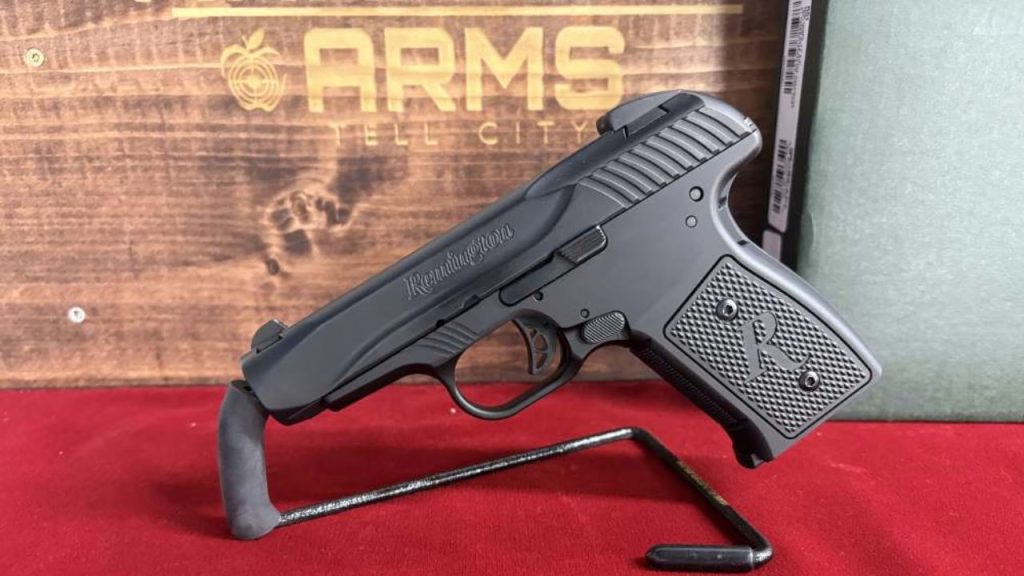
The first-generation Remington R51 looked promising on paper, but once shooters started using live ammo, its flaws showed quickly. Many models struggled to feed hollow points, and some even balked at standard FMJ loads. The hesitation came from its locking system, which demanded perfect timing to cycle smoothly. In real use, that timing rarely stayed consistent across magazines.
Extraction was another headache. Cases sometimes stuck, leaving you working the slide harder than you should. Even when the gun ran, it never gave you that steady, predictable feeling you want from a defensive pistol. The concept was interesting, but the execution made reliability hit-or-miss once real ammunition entered the picture.
Kimber Solo
The Kimber Solo had a slick appearance and a premium feel, but it became notorious for being oddly picky about ammunition. It ran somewhat reliably with high-pressure defensive loads but stumbled with many standard-pressure rounds. That meant magazine after magazine of failures unless you fed it exactly what it preferred.
The issue wasn’t limited to feeding. Slide velocity and spring tension created delicate timing that didn’t adapt well to variations between brands. If you wandered even slightly outside its recommended ammo list, you were rolling the dice. For a carry gun, needing a specific load to function correctly becomes a dealbreaker fast.
Taurus PT-22
The Taurus PT-22 is small and handy, but its rimfire design makes flawless feeding difficult. Many owners discover that certain .22 LR loads cause nose-dives, stovepipes, or failures to extract. The tiny slide and light springs leave the action less forgiving than larger rimfire pistols.
Bulk ammunition, which most people buy for this caliber, often brings out the worst in the PT-22. Hollow points and flat-nose rounds create even more problems. While the gun can run smoothly with specific loads, you’ll spend plenty of time sorting out what it likes. That kind of selectiveness surprises new owners who expect broader compatibility.
KelTec PF-9
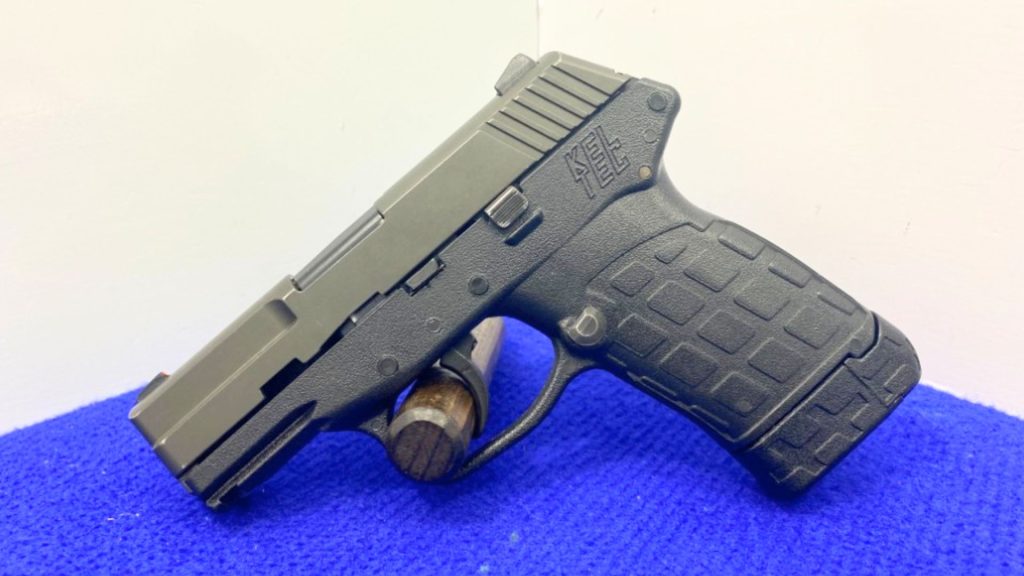
The KelTec PF-9 is known for kicking harder than its size suggests, and that recoil tends to magnify ammo-related issues. Some pistols struggle with feeding defensive hollow points, especially wider designs. Magazine tension varies from gun to gun, which can lead to nose-diving rounds or sluggish feeding when you’re running different brands.
The gun’s lightweight frame flexes more than heavier pistols, and that can change how reliably it cycles once you introduce hotter loads. While the PF-9 works fine with certain FMJ rounds, switching ammunition can turn a smooth session into a string of stoppages. It’s a classic example of a pistol that behaves until you test it seriously.
Desert Eagle .50 AE
The Desert Eagle looks powerful and solid, but its gas-operated system is surprisingly sensitive to ammunition. Light loads or inconsistent powders cause failures to cycle, and even some factory .50 AE rounds don’t build enough pressure for reliable operation. You’ll feel the slide short-stroking or failing to pick up the next round altogether.
The magazine and feed angle don’t tolerate imperfect case dimensions either. Any round slightly out of spec can cause a stoppage. While the gun’s design is impressive, it needs ammunition that hits a narrow performance window. Feed it anything less, and you’ll see clear signs the system wasn’t built with wide ammo tolerance in mind.
SIG Mosquito
The SIG Mosquito earned a reputation for being extremely picky with .22 LR ammunition. Many shooters report smooth performance only when using hotter, premium loads. Try feeding it standard or bulk ammo, and you’re likely to see repeated failures to cycle. The slide mass and spring tension simply weren’t tuned for weaker rounds.
Extraction can also be unpredictable. Cases may stick or fall short of a full ejection, leading to a half-fed round jamming the slide. While the pistol feels good in the hand, the reliability gap between ammo types is wide enough that new owners often spend more time troubleshooting than shooting.
ISSC M22

The ISSC M22 looks like it should run like a centerfire pistol, but many examples stumble when fed typical rimfire loads. Inconsistencies in ammunition velocity hit this pistol harder than most, and failures to eject or feed show up quickly. The lightweight slide doesn’t always cycle with weaker rounds, and hotter ones can cause accelerated wear.
Some magazines also suffer from follower tilt, creating additional feeding problems. The result is a gun that appears dependable until you start mixing ammunition brands or firing at a higher pace. Once it warms up or gets dirty, reliability drops even further, reminding you how finicky some rimfire pistols can be.
Walther P22 (Early Models)
Early Walther P22 pistols were notorious for struggling with a wide range of .22 LR ammunition. Low-velocity rounds often failed to cycle the slide, and hollow points occasionally hung up on the feed ramp. Magazines weren’t always consistent either, which created feeding issues that came and went depending on the batch.
Wear and fouling added another layer of trouble. Once the slide rails accumulated carbon, failures increased noticeably. While later versions improved the design, the early P22 left many shooters thinking they had a dependable plinker—until they actually tried a variety of ammunition and discovered the gun’s narrow operating window.
Cobray M11/9
The Cobray M11/9 looks like it should run anything you throw at it, but the reality is more mixed. Many models experience feeding issues when using certain hollow points or flat-nosed ammunition. The magazines themselves can be temperamental, and poor-quality aftermarket options only make things worse.
The heavy bolt creates strong recoil impulses that don’t always play well with lighter loads. As a result, the gun behaves differently from one ammunition type to another. Some rounds run flawlessly, while others create double-feeds or short-cycling. It’s a firearm that looks ready for high-volume shooting, but real-world ammo sensitivity says otherwise.
Remington 597 (.22 LR)

The Remington 597 has a solid feel, but its feeding and extraction issues become clear when you start cycling different .22 LR loads. Many rifles show inconsistent magazine performance, with rounds intermittently failing to rise at the right angle. The action itself can be sensitive to fouling, especially with bulk or soft-lead ammunition.
Extraction is one of the rifle’s weak points. Cases sometimes slip past the extractor, leading to hard stoppages. While the rifle can perform well with carefully chosen ammunition, the average shooter finds the trial-and-error process frustrating. It’s a gun that appears straightforward until you realize how much tuning it needs.
Taurus TCP 738
The Taurus TCP 738 is a lightweight pocket pistol that performs smoothly with some FMJ rounds, but many owners experience trouble when switching to hollow points. The feed ramp geometry can cause snagging, especially with wider-angled bullets. Add in varied magazine performance, and you get a pistol that doesn’t always chamber the first round cleanly.
Being so light, the gun depends heavily on ammunition pressure to cycle properly. Loads on the weaker side often fail to push the slide fully rearward. Once you start experimenting with different brands, it becomes clear that the TCP behaves best under a narrow range of conditions.
Zastava M70A
The Zastava M70A is a sturdy Tokarev-style pistol, but its feed system doesn’t always handle modern hollow points well. The steep feed angle was originally built around bottlenecked military ammunition, and switching to flat-nosed or wide-cavity rounds introduces challenges. Many shooters report failures to feed unless they stick with FMJ loads.
The magazines can also be inconsistent. Some followers tilt and cause nose-dives with certain bullet shapes. While the gun appears dependable with older-style ammunition, loading modern defensive rounds exposes its limitations. You don’t see these problems until you step outside traditional FMJ, but once you do, they show up fast.
IWI Jericho 941 (Early .41 AE Models)

The early Jericho 941 models chambered in .41 AE were mechanically sound, but ammunition availability and pressure variation became serious obstacles. When shooters used older or mixed batches of ammunition, many of these pistols showed unreliable cycling. The unique cartridge required consistent performance to feed and extract cleanly, and not all loads delivered that.
Magazines from the early runs also struggled with certain bullet profiles. Even small variations caused inconsistent feeding. The pistol feels substantial and well-made, but when you start running real-world .41 AE rounds—especially modern reproductions—you’ll quickly see how sensitive the system is to ammunition differences.

Leo’s been tracking game and tuning gear since he could stand upright. He’s sharp, driven, and knows how to keep things running when conditions turn.