Calibers That Don’t Belong in Elk Country
Elk are tough animals, and anyone who’s hunted them long enough knows they soak up punishment that would flatten lighter game. Their bone structure, muscle mass, and sheer size demand cartridges that carry weight, reach, and controlled expansion deep into the vitals. While plenty of rounds look good on paper or perform well on whitetails, they come up short when you’re staring at a bull across a canyon or trying to punch through heavy shoulders at an awkward angle.
If you want a clean, ethical kill—and fewer long tracking jobs—you need to leave certain calibers at home. These rounds may work in other places, but elk country isn’t where they shine.
.223 Remington / 5.56 NATO

The .223 Remington and 5.56 NATO have their place, but elk country isn’t it. These rounds lack the sectional density and weight needed for confident penetration on big animals. Even with premium bullets, you’ll struggle to punch through the heavy ribs and thick muscle that elk carry. What works on coyotes or deer falls apart quickly when you’re facing a 700-pound animal.
Wind drift is another major concern. At longer ranges, these light bullets get pushed around far more than heavier projectiles. Even a steady shooter can end up with shots that wander off target. It’s a capable cartridge in many roles, but elk hunting asks for a lot more than it can deliver.
.22-250 Remington
The .22-250 Remington has long been a favorite for varmints, but that speed doesn’t equal elk-killing power. The thin, lightweight bullets commonly used in this caliber aren’t designed to penetrate deeply, and even the tougher options struggle with bone and dense muscle. When velocity drops at longer distances, performance falls even further.
This round is also prone to fragmentation, which is disastrous when you need weight retention. A poor angle shot on an elk can turn into a long chase, even from a shot that looked clean. While the .22-250 is impressive in its own world, it’s far out of its league when you’re chasing elk.
.243 Winchester
Plenty of deer hunters swear by the .243 Winchester, but elk require far more margin for error. The cartridge can work under perfect circumstances, but expecting perfect circumstances in elk country is wishful thinking. Light-for-caliber bullets struggle to reach the vitals on raking or quartering shots, and they lose steam quickly past moderate distances.
At closer ranges, careful bullet selection matters more than most shooters realize. Many elk lost to the .243 weren’t from poor aim—they were from insufficient penetration. If you’re hunting an animal the size of a small horse, you’re better off stepping up to a cartridge built for heavy bone and deep travel.
.30 Carbine

The .30 Carbine is a historical classic, but it’s nowhere near strong enough for elk-sized game. Originally designed for a lightweight military carbine, its ballistics land closer to a hot pistol round than a true hunting cartridge. Energy drops rapidly with distance, and controlled expansion is inconsistent even with modern bullet designs.
At elk ranges, you’re left with limited penetration and unreliable terminal performance. While it might look respectable inside 100 yards on paper, elk aren’t paper targets. Heavy shoulder bones and thick hide overwhelm this cartridge, making it unsuitable for any serious elk hunter.
.300 Blackout (Supersonic or Subsonic)
The .300 Blackout was never intended for large-game hunting at extended ranges. Even supersonic loads don’t carry the bullet weight or velocity needed for trustworthy penetration on elk. Subsonic loads drop its capability even further, producing arch-like trajectories and minimal energy downrange.
At 300 yards, drop and wind drift become major obstacles. Even with tough expanding bullets, this caliber doesn’t hit with the authority required for a large-bodied animal. It’s excellent for hogs and close-range deer in thick cover, but elk demand more reach, more punch, and more reliable performance across different shot angles.
7.62×39
The 7.62×39 cartridge is often compared to the .30-30, but that comparison fades once you’re looking at real-world elk performance. Most bullets in this caliber are designed for general-purpose or defensive use, not deep penetration through dense tissue and bone. Expansion can be erratic, and weight retention varies widely between loads.
Ballistics also fall short at typical elk ranges. Drop becomes significant past 200 yards, and wind drift pushes these short, blunt bullets off course faster than bigger game cartridges. While it has taken deer cleanly for decades, elk demand far more consistency and controlled expansion than this round reliably offers.
.25-06 Remington (Light Bullet Loads)

The .25-06 Remington can work on elk when paired with heavy, well-constructed bullets, but many hunters load it with lighter weights designed for deer or antelope. Those lighter rounds lack the penetration and durability needed for elk shoulders, leading to shallow wounds and long tracking jobs. At distance, those bullets shed velocity too quickly to hold together.
Shot angles are the biggest issue. Elk rarely give you that perfect broadside view, and a quartering shot exposes the limitations of lighter .25-caliber bullets. If you’re set on carrying a .25-06, you need to choose your ammunition carefully—but for many hunters, stepping up in caliber is the safer bet.
.257 Roberts
The .257 Roberts is beloved for its mild recoil, but that mild recoil reflects mild power compared to cartridges better suited for elk. The lighter bullets traditionally used in this caliber aren’t built to penetrate deep on a large animal, especially at longer distances. Even the sturdier offerings lose velocity faster than bigger rounds.
While experienced hunters have taken elk with perfect shot placement, the cartridge leaves little room for error. Wind drift and drop become factors far sooner than they do with heavier calibers. Elk country throws enough challenges at you—your ammunition shouldn’t add more limitations to the mix.
.270 Winchester (Light Cup-and-Core Loads)
The .270 Winchester is capable of taking elk, but only with tough, heavy bullets. Many hunters stick with lighter 130-grain cup-and-core designs meant for deer, and those loads can perform poorly on elk shoulders or steep angles. They’re known to expand too rapidly, losing the penetration needed for reliable kills.
At longer ranges, wind pushes these lighter bullets around more than many shooters expect. While the .270 is a legendary round, using standard deer loads in elk country leads to heartbreak. If you bring a .270, you need premium bullets—and even then, stepping up in caliber offers far more flexibility.
.30-30 Winchester
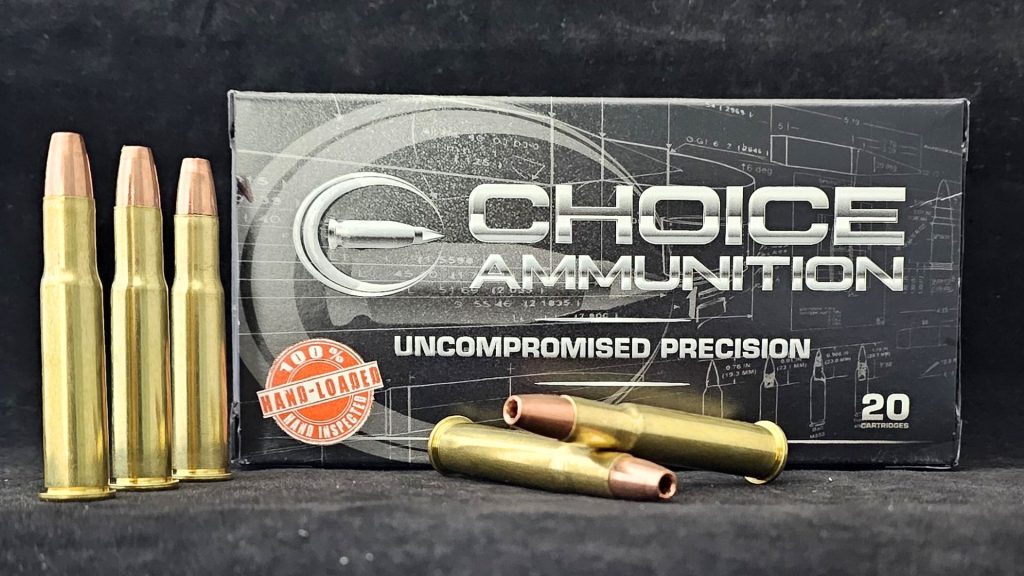
The .30-30 Winchester has earned its place in hunting history, but elk stretch its limits. Its slow, flat-nose bullets lose velocity rapidly, and controlled expansion becomes unreliable past 150–200 yards. Heavy bone can stop a bullet before it reaches the vitals, which is the last thing you want on an animal this size.
Trajectory is another issue. The drop becomes dramatic at longer ranges, making precise shot placement far harder. While it’s excellent for whitetails in timber, elk require more horsepower and a bullet design better suited for deep travel through muscle and bone.
.357 Magnum (Lever Guns)
A .357 Magnum lever gun is effective on deer under the right circumstances, but elk push that cartridge’s limits too far. Even with hot loads, the bullet weight and velocity don’t combine into the kind of penetration you need for big animals. Expansion may look fine in gelatin tests, but in real tissue, the round often stops short.
Distance works against it quickly. By 150 yards, energy drops substantially, making ethical elk shots rare. Hunters working in thick timber may be tempted to carry a .357 rifle, but elk demand cartridges that carry more authority across a wider range of angles and distances.
.44 Magnum (Carbine)
The .44 Magnum carbine hits harder than the .357, but elk still challenge it. While the .44 is effective on bear and hogs at close ranges, elk require deeper penetration and better retained velocity. Heavy bones can deflect or halt these bullets, especially when shot angles aren’t perfect.
Trajectory becomes a major concern at any distance beyond 120–150 yards. The drop is steep, and wind drift pushes these larger bullets around more than many hunters expect. The .44 Magnum remains a great choice for close-range timber hunting, but elk country often forces longer or more demanding shots than it can handle reliably.
.410 Bore Slugs

A .410 slug gun is fine for small game or close-range deer under certain conditions, but elk are far too large for this bore size. Slugs lack the mass and velocity to punch through elk shoulders consistently, and expansion is limited compared to larger shotgun options. Even at close range, penetration issues are common.
Accuracy also suffers at longer distances. Many .410 slug platforms aren’t designed for precise shooting, and finding loads that group well can be a challenge. Elk deserve cartridges that deliver strong terminal performance across a variety of angles—something the .410 simply can’t provide.

Leo’s been tracking game and tuning gear since he could stand upright. He’s sharp, driven, and knows how to keep things running when conditions turn.