
Guns that leave instructors shaking their heads
Spend enough time around firearms instructors and you’ll notice a pattern. Some guns walk onto the firing line and immediately drag down the pace of the entire class. It’s not always about quality or brand loyalty—some guns simply cause more problems than they solve. They slow instruction, frustrate shooters, and pull attention away from learning fundamentals. Most instructors won’t say it aloud unless you catch them on a break, but these guns tend to create extra work for everyone involved. Here are the models that consistently raise eyebrows and make seasoned trainers sigh before the first shot is fired.
Taurus PT111 Millennium G2
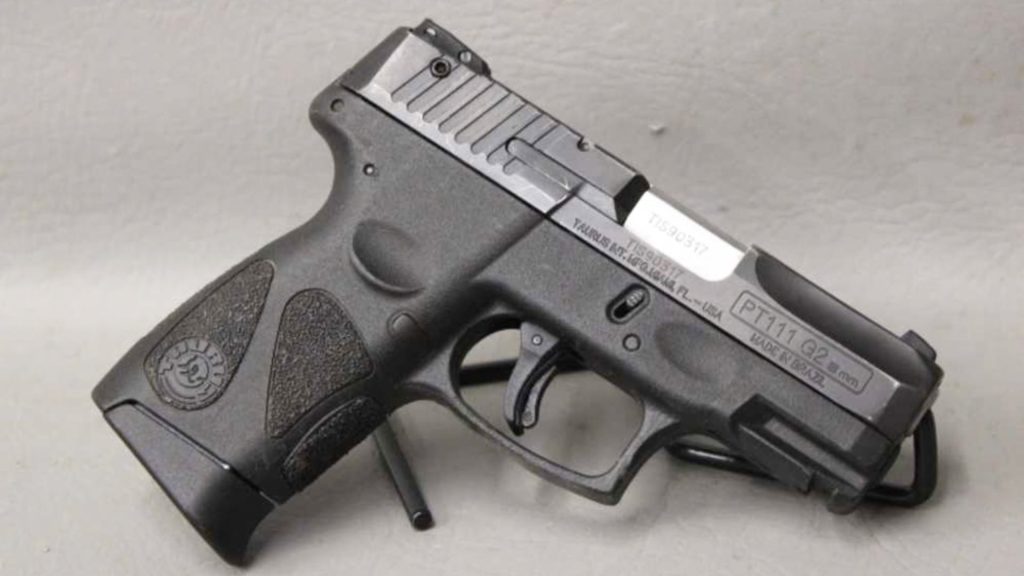
The PT111 Millennium G2 is inexpensive and widely owned, which means it shows up in classes often. But many instructors have learned to spot it from across the range and brace themselves. The trigger’s long, mushy pull makes it hard for new shooters to settle into a rhythm, and that leads to pulled shots and confusion about technique.
Then there’s the reliability issue. While some copies run fine, others encounter light strikes or feeding hang-ups. A class built around steady progress slows down when a student has to clear stoppages every few rounds. For instructors trying to teach confidence and consistency, the PT111 can turn a smooth lesson into a troubleshooting session.
Smith & Wesson SD9 VE
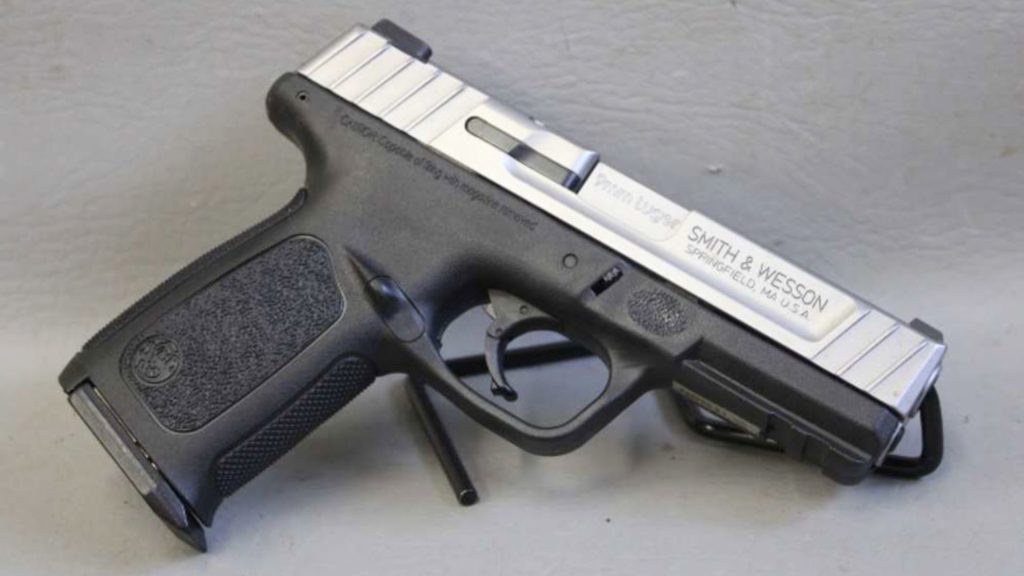
The SD9 VE has the right intentions, but the trigger holds it back in a training environment. Its gritty, drawn-out pull requires more coaching than most beginners expect, and that makes it tough for new shooters to feel when the break should happen. More time goes into discussing pressure and control than recoil or sight alignment.
The gun itself is reliable enough, but its ergonomics don’t always mesh with students who have smaller hands or weaker grip strength. Instructors often have to stop drills to rework stance and hand position. The firearm doesn’t fail in a mechanical sense—it simply complicates learning, and that alone is enough to draw a quiet sigh from seasoned teachers.
Kel-Tec PF9
The PF9 is lightweight and affordable, but its snappy recoil causes trouble in entry-level classes. Even confident beginners tend to develop flinch habits after a few rounds, forcing instructors to spend more time correcting anticipation than building accuracy.
Its thin grip leaves little to work with, so shooters often struggle to maintain control. Add in a heavy trigger and the gun becomes a handful for anyone without established fundamentals. Instructors see this cycle repeat often: the student arrives eager, the gun punishes every mistake, and the lesson shifts from growth to damage control. It’s a small pistol with a big learning curve.
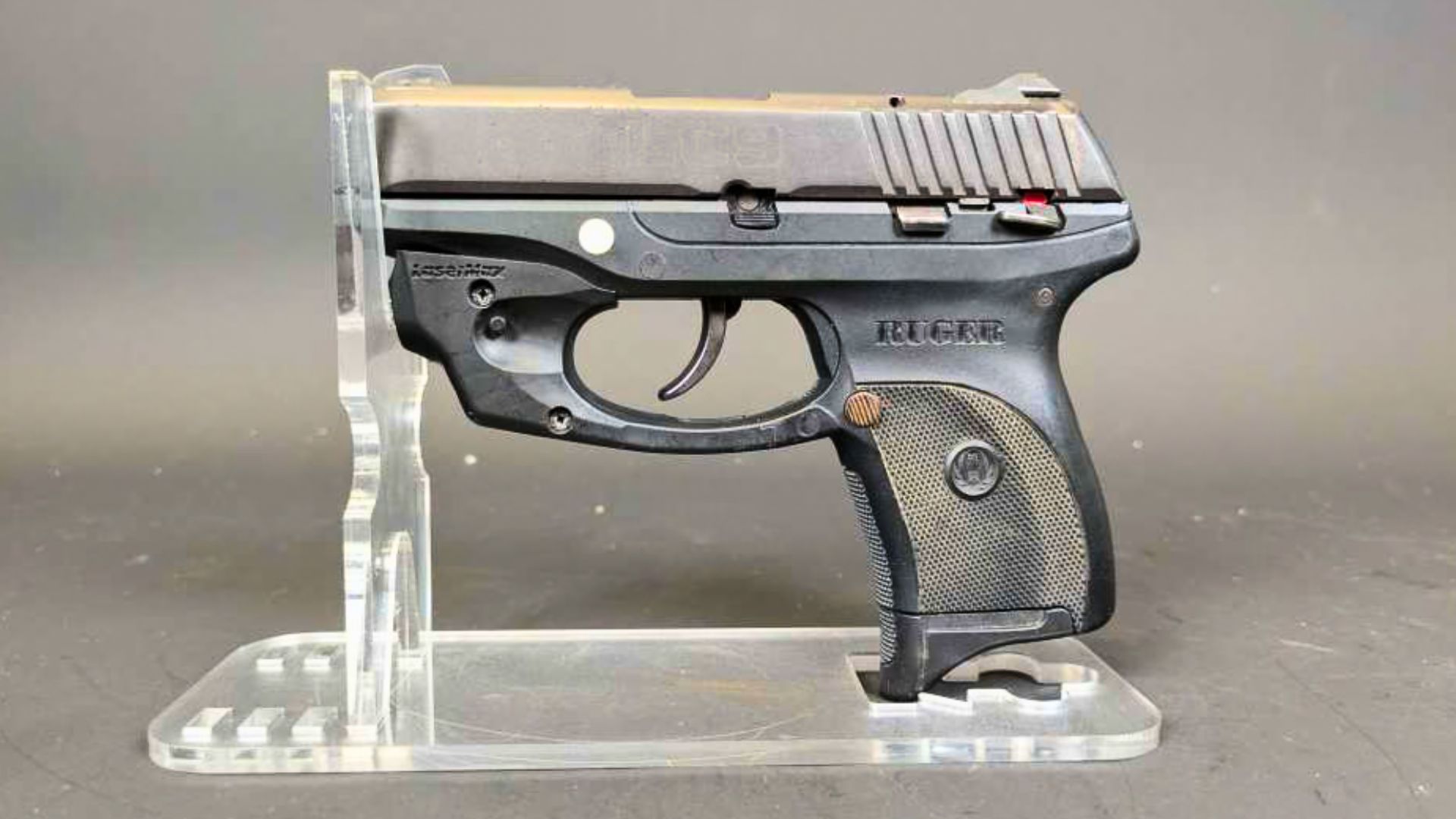
Ruger LC9
The LC9 is popular for concealed carry, but its long trigger pull makes it challenging for new shooters. In a training environment, that means lots of “why did the shot break there?” moments and repeated explanations of staging and pressure.
Recoil isn’t excessive, but the combination of a narrow grip and a small frame exaggerates poor technique. Instructors end up running through grip corrections more often than with similar pistols. It’s not a bad gun; it’s simply a gun that demands more discipline than many beginners bring to a first or second class. That mismatch is what makes instructors quietly wince when they see one coming out of a case.
Glock 42
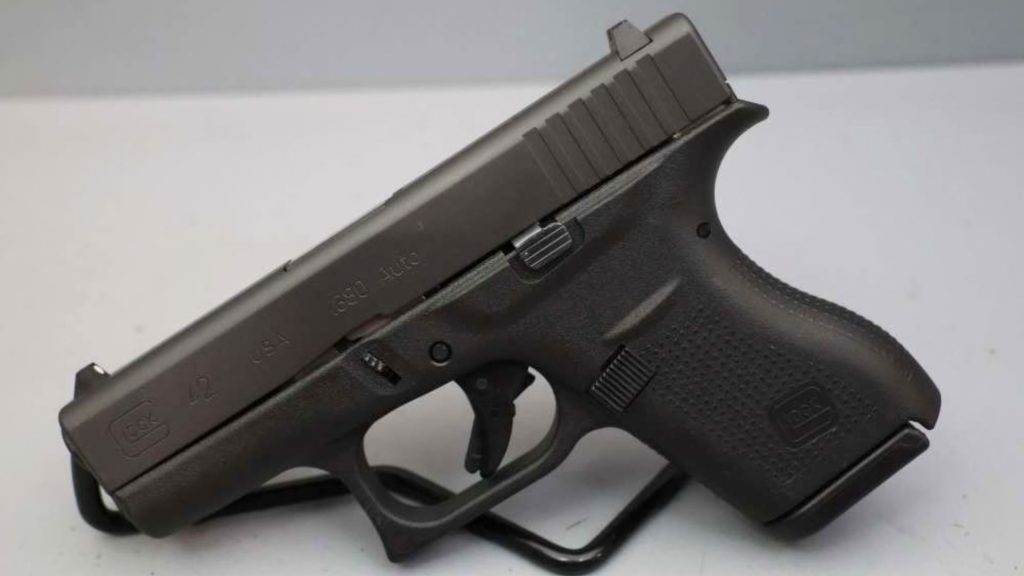
The Glock 42 seems like the perfect beginner pistol on paper—small, soft-shooting, and simple. But in practice, its size is what gets instructors shaking their heads. Small guns magnify bad grip technique, and even slight inconsistencies in hand placement can cause shooters to lose control or limp-wrist the gun.
While it’s reliable, malfunctions caused by user error eat up instructional time. Many beginners also struggle with the shorter sight radius, turning accuracy drills into uphill battles. For seasoned shooters, the 42 is a fine tool. For a brand-new student, it’s often the wrong place to start, and instructors know they’re in for an extra round of coaching.
Kahr CW9
The CW9’s trigger is smooth, but its long travel catches most new shooters off guard. They often add too much pressure or shift the muzzle during the pull, creating wild shot placement that instructors must repeatedly diagnose.
Even though recoil isn’t harsh, the grip’s slim profile makes proper control harder than expected. Shooters who haven’t built hand strength or technique feel the pistol move more than it should. Instructors end up spending more time rebuilding fundamentals than advancing drills. The gun isn’t unreliable—it simply demands more patience and precision than beginners usually have.
SCCY CPX-2
The SCCY CPX-2 is a budget option, and its affordability means it appears in classes often. Unfortunately, many units have a heavy trigger and occasional feeding quirks that disrupt training. Beginners already balancing nerves and new information don’t need equipment struggles added to the mix.
The long trigger pull forces shooters to think harder than they should during early lessons. Clearing malfunctions, real or user-induced, pulls attention away from learning safety and accuracy. Instructors appreciate that students want to train with what they own, but the CPX-2 often turns simple drills into frustrating cycles of stoppage and correction.
Walther CCP (First Generation)

The first-generation CCP promised softer recoil, but its gas system created problems. Heat buildup during extended classes becomes noticeable, and some units experienced issues with extraction or inconsistent cycling.
For instructors, this means interruptions when the gun needs to cool down or a stoppage needs clearing. The trigger also varies between units, leaving some students fighting sluggish pulls. While later generations improved the platform, the early CCP still shows up often enough to earn a quiet groan from those who’ve dealt with its unpredictability on a busy firing line.
Hi-Point C9
The C9 is reliable within its limits, but those limits show themselves quickly during classes. Its bulk and weight make it awkward for new shooters to manage, and the trigger leaves little room for fine control.
Feed issues sometimes arise from magazine alignment, and beginners rarely spot the problem on their own. Instead of focusing on fundamentals, instructors find themselves coaching the gun’s quirks as much as the student’s technique. The C9’s price makes it accessible, but its ergonomics and handling make it a tough tool for early training.
Taurus 709 Slim
The 709 Slim is lightweight and easy to carry, but its recoil pulse can surprise beginners. The short grip leaves little room for consistent hand placement, and shooters often lose control during rapid fire.
While generally reliable, the trigger’s reset is subtle, making it tough for new shooters to develop a steady cadence. Instructors end up talking through timing issues more often than usual. The pistol works fine with experience, but it complicates the early stages of learning where simplicity and predictability matter most.
Beretta Nano
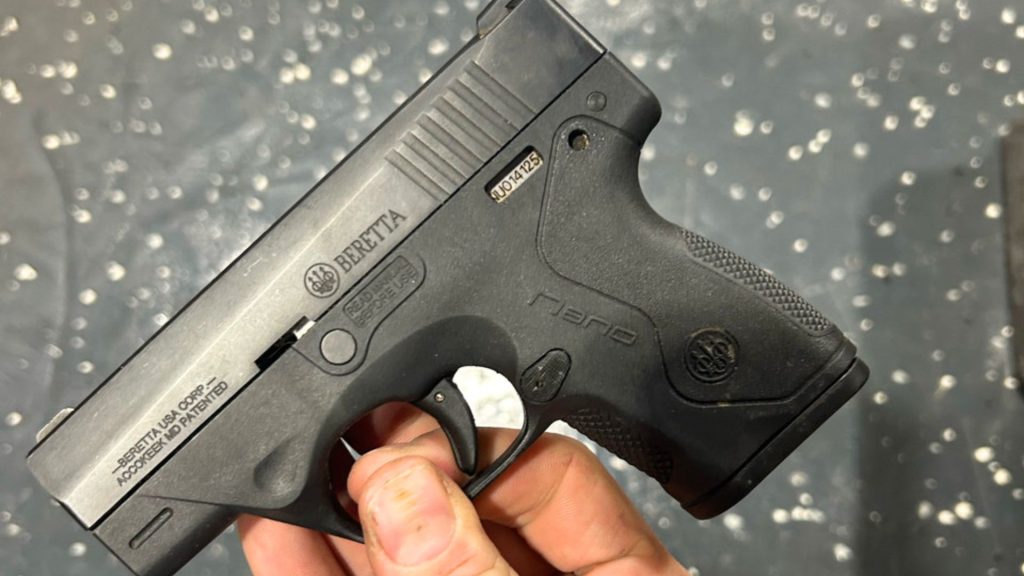
The Nano is compact and durable, but its minimalistic controls translate into awkward reloads for new shooters. The absence of an external slide stop means instructors must spend extra time demonstrating alternative techniques.
The trigger is serviceable but lacks the feedback that beginners rely on to develop confidence. Combined with a flat grip angle and a heavy slide, the gun feels unforgiving in inexperienced hands. Instructors don’t dislike it—they simply know it slows down the pace of learning compared to more intuitive pistols in the same category.
Ruger LCP (First Generation)
The original LCP is one of the hardest pistols for beginners to master. Its recoil is snappy, the sights are tiny, and the trigger leaves little room for finesse. Even experienced shooters acknowledge its limitations as a training tool.
Students often struggle to maintain control, causing groups to scatter and confidence to drop. Instructors spend extra time correcting flinch and grip collapse. The LCP serves its purpose as a deep concealment pistol, but in a classroom setting, it turns every drill into a challenge—one that forces instructors to work harder than they should.

Asher was raised in the woods and on the water, and it shows. He’s logged more hours behind a rifle and under a heavy pack than most men twice his age.


