Russia deploys North Korean cluster munitions on drones in attacks on southern Ukraine, investigators confirm
The conflict in Ukraine continues to shift with each new layer of outside support that surfaces on the battlefield. When independent investigators examined wreckage from a Russian drone attack in the south last fall, they confirmed something that changed how analysts view the flow of weapons into the region. North Korea had supplied a type of cluster munition that Russian forces adapted for use on small drones targeting areas around Kherson. The findings, based on physical evidence collected on the ground, point to a steady expansion in the kinds of ammunition Pyongyang is sending to Moscow. You notice the pattern when you look at the timeline of supplies and the specific modifications made to fit modern drone tactics. Southern Ukraine has borne the brunt of these strikes, where civilian areas and infrastructure sit exposed to scattered bomblets designed to cover wide zones.
The Drone Attack on Kherson
Ukrainian authorities recovered the drone remnants after a strike on the port city on September 23, 2025. The device carried a payload unlike any seen before in the conflict. Investigators documented the wreckage up close and traced the submunition back to North Korean production through distinctive markings and design features. Local residents reported hearing the distinctive dispersal of smaller explosives that cluster munitions release in flight. These bomblets spread over streets and open ground, creating hazards that linger long after the initial blast. Recovery teams worked carefully to map the impact sites and clear unexploded elements that posed ongoing risks to civilians moving through affected neighborhoods.
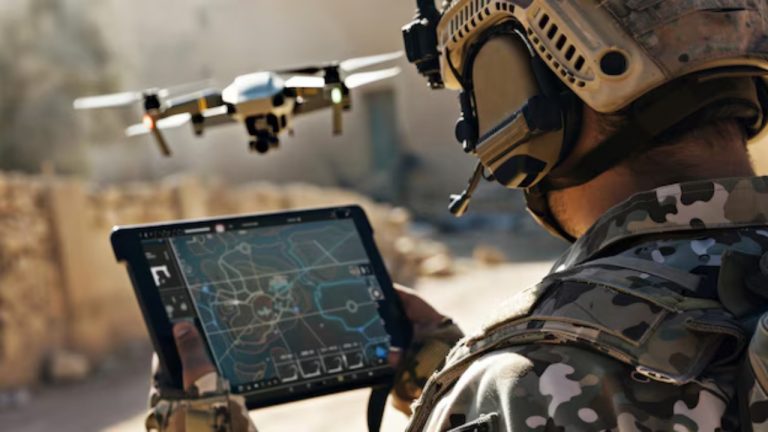
The attack fit into a larger pattern of Russian efforts to pressure southern positions with low-cost, high-volume strikes. Drones like this one allow operators to guide attacks precisely while staying out of direct fire. You see the tactical advantage when forces combine video feeds from the drone with a payload that blankets an area rather than hitting a single point. Southern Ukraine’s flat terrain and proximity to the front lines make such weapons particularly effective for harassment and disruption of supply routes.
Modifications to the Submunition
Russian technicians attached the North Korean submunition to a first-person-view drone using basic materials available in the field. A wooden stick, wire, and duct tape held the component in place as the warhead. This improvisation turned an artillery-style munition into something small enough to ride on a lightweight drone platform. The adaptations showed resourcefulness born from battlefield necessity rather than factory precision. Engineers stripped away parts of the original casing to reduce weight and ensure the drone could carry and release the payload mid-flight.
The submunition itself came from a larger rocket system originally designed for ground launch. Once modified, it scattered its smaller bomblets over the target zone as intended. Markings on the recovered pieces matched North Korean manufacturing standards, leaving little doubt about the origin. You recognize the practical engineering when you consider how limited resources in forward positions force crews to adapt whatever arrives through supply lines. The result was a weapon that extended the reach of cluster effects without requiring heavier launch systems.
Investigators Confirm the Origin
A team from Conflict Armament Research arrived in Ukraine shortly after the September incident to document the find. They examined the drone wreckage and submunition components in detail, photographing every marking and structural detail. Their report, released in mid-October 2025, laid out the evidence linking the payload directly to North Korean stocks. Physical inspection ruled out other sources and confirmed the modifications were recent and purpose-built for drone use. Ukrainian forces had invited the group to verify the hardware recovered from the field.
The confirmation process involved cross-referencing production stamps and design elements against known North Korean inventories. Investigators noted that this represented a new variant not previously documented in Ukraine. Their work added credibility to earlier intelligence reports about expanding arms transfers. You gain confidence in the assessment when multiple layers of forensic analysis align on the same conclusion without contradiction.
North Korea’s Growing Ammunition Role
Pyongyang has increased the variety of munitions it provides to Russian forces over the past year. Beyond initial shipments of artillery shells and ballistic missiles, the supply now includes specialized cluster components suited for drone delivery. This shift occurred even as North Korean troop numbers on the front lines decreased. The focus appears to have moved toward sustaining Russia’s production and operational needs through steady material support. Factories in North Korea produce these items under conditions that allow rapid scaling when demand rises.
Russian forces integrate the incoming supplies into existing drone fleets without major retooling. The partnership benefits both sides by matching North Korean manufacturing capacity with Russian tactical requirements. You see the mutual dependence when you track how one side’s output fills gaps in the other’s arsenal. Southern Ukraine feels the effects through more frequent and varied attacks that rely on these combined resources.
Cluster Munitions in Southern Operations
Russian units have relied on cluster munitions throughout the southern campaign to target dispersed positions and infrastructure. The addition of drone-mounted versions allows strikes in areas where larger rocket systems might draw counterfire. Bomblets from the North Korean submunition create wide dispersal patterns that complicate defensive efforts and force civilians to navigate hazardous zones. Clearance operations in Kherson and nearby villages continue weeks after individual attacks.
The weapons align with a strategy of wearing down Ukrainian resolve through persistent, area-effect bombardment. Operators use the video link from the drone to adjust targeting in real time before release. This combination increases accuracy over traditional artillery barrages while maintaining the coverage that cluster designs provide. Residents in affected districts report disrupted daily routines as teams work to neutralize remnants scattered across fields and roads.
Drone Tactics Evolve with New Payloads
First-person-view drones have become standard tools for both sides in Ukraine, prized for their speed and precision. Fitting them with cluster submunitions marks a step in adapting these platforms for broader area denial. Russian crews train to launch, guide, and release the payload from safe distances, minimizing exposure. The lightweight nature of the modified munition keeps the drone agile enough to evade basic defenses during approach.
You observe the progression when earlier drone strikes using single explosive charges give way to versions that scatter multiple effects. Southern front lines see higher volumes of such attacks aimed at logistics hubs and troop concentrations. The tactic forces Ukrainian defenders to spread resources thinner across potential impact zones rather than focusing on single high-value hits.
Wider Partnership Between Moscow and Pyongyang
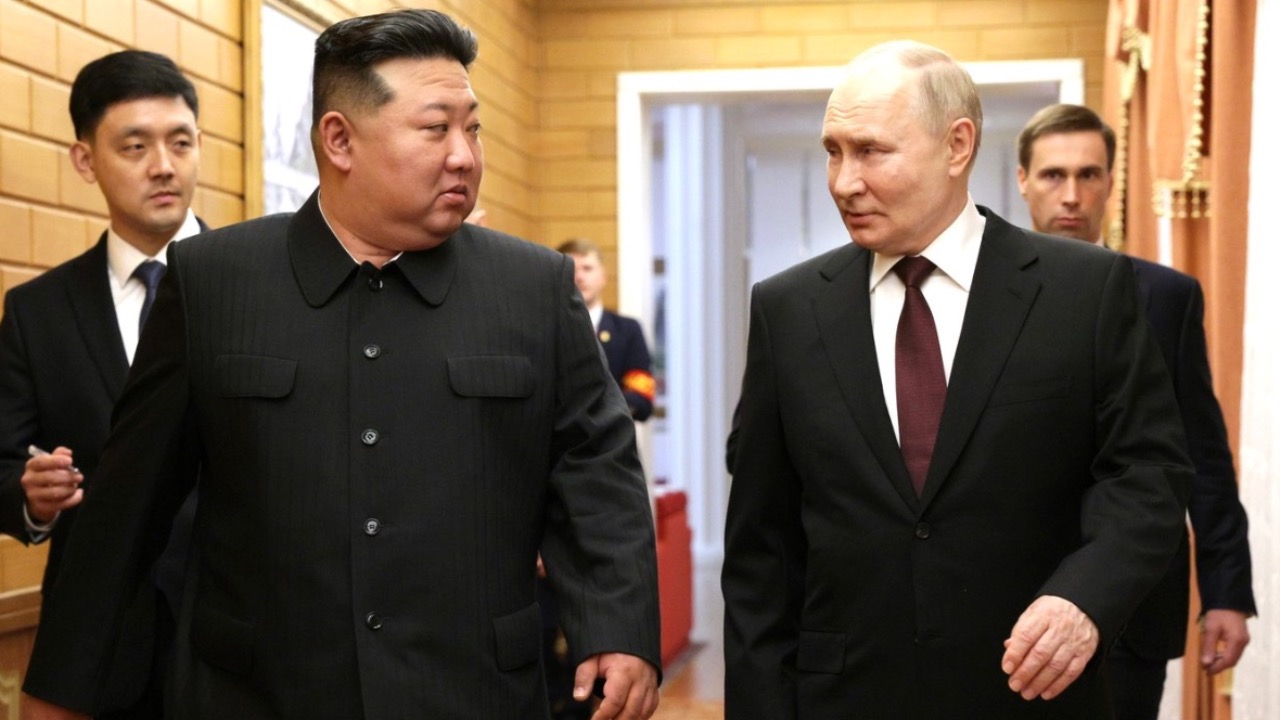
The munitions transfer forms part of a larger cooperation that has supplied Russia with diverse military aid since the early stages of the conflict. North Korea contributes manufacturing output while gaining access to combat data and technology insights from the Ukrainian theater. Russian forces test and refine the supplied items under real conditions, feeding observations back through established channels. This exchange sustains operations in the south without requiring massive new production lines on the Russian side.
Analysts note that the arrangement has grown more sophisticated over time, moving from bulk artillery support to specialized adaptations like the drone payload. You trace the deepening ties through the steady arrival of new weapon types documented in successive field reports. The southern attacks represent one visible outcome of this sustained relationship.

Asher was raised in the woods and on the water, and it shows. He’s logged more hours behind a rifle and under a heavy pack than most men twice his age.