What Not to Say During a Traffic Stop — And Why It Matters
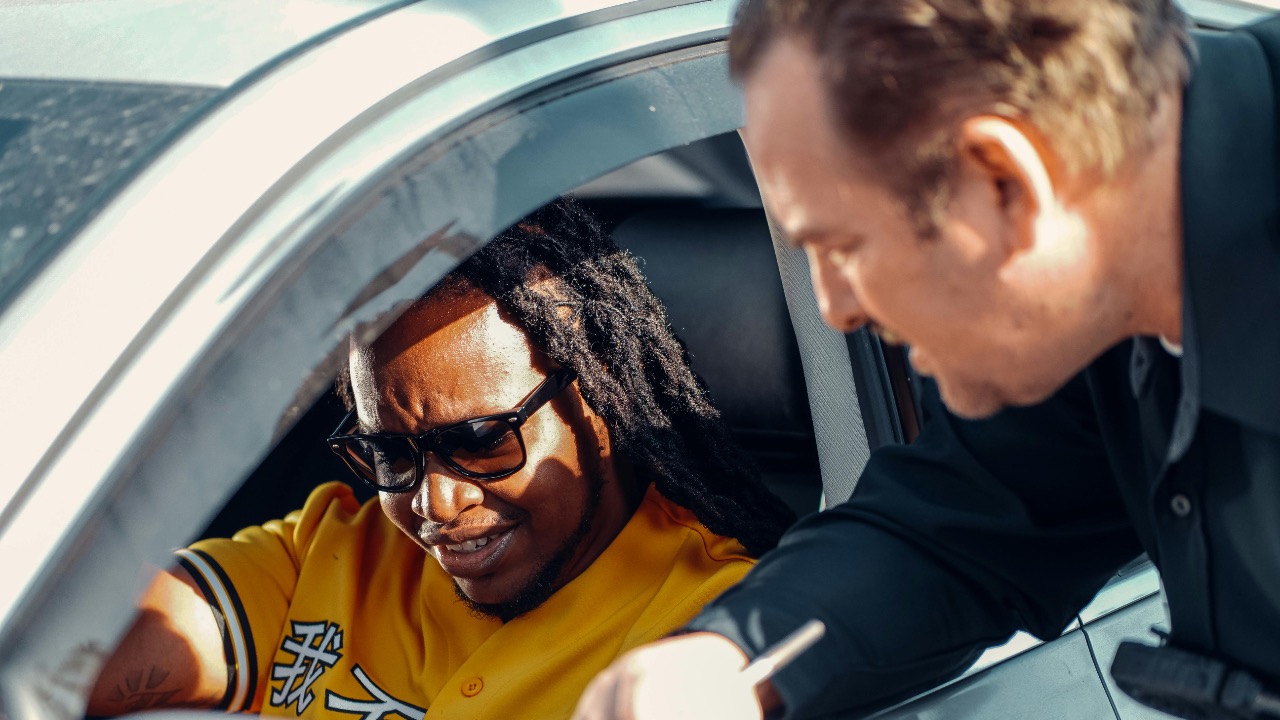
What a driver says in the first seconds of a traffic stop can shape everything that follows, from whether the encounter stays brief and calm to whether it ends in a citation, a search, or even an arrest. Police are trained to listen closely for admissions, inconsistencies, and consent, and casual small talk can quietly hand them legal leverage. Knowing what not to say, and why the wording matters, gives motorists a way to protect their rights while still staying safe and respectful at the side of the road.
Traffic enforcement sits at the intersection of public safety and personal liberty, which is why civil rights groups and defense lawyers spend so much time explaining how routine stops can escalate. A stop that begins with a broken taillight can quickly turn into a roadside investigation if a driver volunteers too much information or agrees to things the law does not require. Clear, measured language is not about being difficult; it is about avoiding self‑incrimination and keeping the encounter within its lawful limits.
Why words matter during a stop
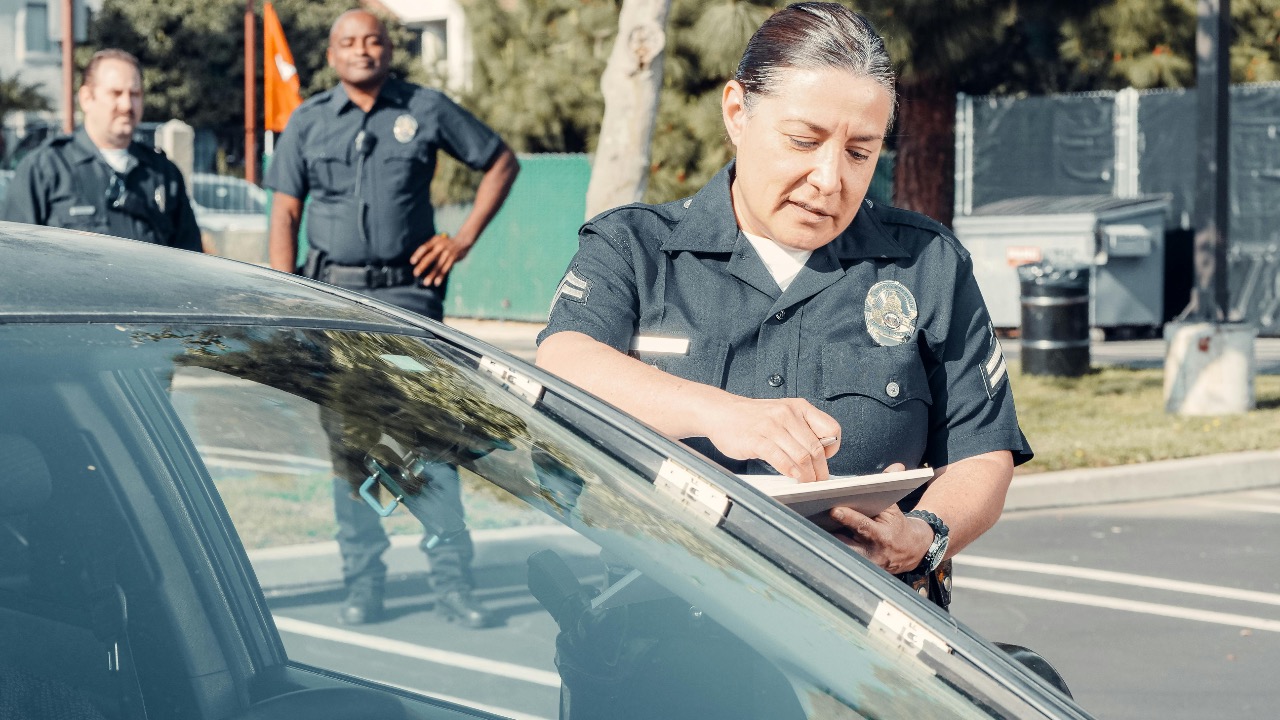
Officers are allowed to use anything a driver says as evidence, and they are listening for statements that justify further questioning or a search. A simple, nervous apology like “I know I was speeding” can become a ready‑made confession that supports a ticket or even a reckless driving charge, while a vague answer about drinking can trigger field sobriety tests. Legal guides that explain how to assert rights during a stop emphasize that drivers do not have to help the government build a case against them, even if the conversation feels casual.
Civil liberties advocates note that the Constitution protects the right to remain silent and the right to be free from unreasonable searches, and those protections apply on the roadside as clearly as they do in a police station. The ACLU guidance on being stopped by police stresses that a driver generally must identify themselves and provide license, registration, and proof of insurance, but does not have to answer investigative questions about where they are going, what they have been doing, or whether they have something to hide. The gap between what is legally required and what officers routinely request is where word choice becomes critical.
“Do you know why I pulled you over?”
One of the most common opening questions, “Do you know why I pulled you over?”, is also one of the most legally loaded. A driver who guesses wrong might accidentally admit to a more serious violation than the officer observed, while a driver who guesses correctly may be handing over a clean confession that can be quoted in court. Defense attorneys who explain how to handle common questions police at traffic stops consistently warn against answering this one directly.
A safer approach is to stay calm and nonconfrontational while declining to speculate. Short replies such as “I am not sure, officer” or “Can you tell me?” avoid both a lie and an admission, and they keep the burden where the law places it, on the government to explain the basis for the stop. Neutral phrasing like this respects the officer’s role without volunteering extra facts that expand the scope of the encounter, which is exactly why lawyers recommend rehearsing it in advance rather than improvising under stress.
Admitting to speeding or other violations
Many drivers feel an instinct to apologize, especially if they suspect they were over the limit or rolled a stop sign. Saying “I was only going 10 over” or “I know I should have stopped completely” may feel honest, but it also hands the officer a clear admission that can make a contested ticket much harder to fight. Legal primers on how to talk to police during a stop explain that officers are trained to ask open questions and then let drivers fill the silence with potentially damaging detail.
Rather than volunteering a confession, rights‑focused guides suggest sticking to basic, factual steps like providing documents and waiting for the officer to describe the alleged violation. Resources that walk drivers through how to talk when pulled over recommend combining cooperation with restraint: be polite, keep hands visible, and avoid arguing on the roadside, but do not add incriminating commentary. If a citation is issued, the courtroom, not the shoulder of the highway, is the place to contest the officer’s account.
Questions about drinking, drugs, and fatigue
Once an officer is at the window, the conversation often shifts to whether the driver is impaired. Questions like “Have you been drinking?”, “Have you used any drugs?”, or even “Are you too tired to drive safely?” are designed to probe for impairment and to justify further testing. The same legal analysis that covers how to respond to DUI investigations points out that any admission, even “I just had one beer with dinner,” can be used to support field sobriety tests or a breath test, and can later appear in a police report.
Drivers still have to balance legal rights with safety. A flat refusal to speak can escalate tension, but a carefully chosen response can protect both interests. Defense lawyers who coach clients on traffic and criminal often suggest neutral language such as “I prefer not to answer any questions” or “I would like to remain silent” once identification is complete. That kind of statement invokes constitutional protections without being argumentative, and it avoids the trap of half‑admissions that can be stretched into evidence of impairment.
Consent to search: how “yes” changes everything
One of the most consequential missteps during a traffic stop is casually agreeing to a search of the car. When an officer asks “Do you mind if I take a look in your vehicle?” or “You do not have anything illegal in there, right?”, they are often seeking consent that can bypass the need for a warrant or probable cause. Civil rights materials that explain what happens when someone is stopped by police stress that a driver generally has the right to refuse a search of the vehicle if there is no warrant and no clear probable cause.
Some drivers worry that saying no will make them look guilty, but legal guides emphasize that a refusal is not a sign that a person is hiding anything and does not, by itself, give an officer the right to search. A detailed explanation of searches and seizures notes that a driver can calmly say “I do not consent to a search” while still complying with lawful orders like stepping out of the car. That clear statement preserves the person’s legal position if anything is later found or if the encounter ends up in court.
Small talk that gives away too much
Even when the questions sound friendly, officers are still gathering information. Casual answers about where a driver is coming from, who else is in the car, or whether there are weapons or large amounts of cash inside can all feed into an officer’s assessment of risk and suspicion. Commentary that seems harmless, such as mentioning a prior arrest, a prescription medication, or a stressful argument at home, can unexpectedly steer the stop toward a search or a field sobriety test.
Guides that walk motorists through how to handle a stop advise limiting conversation to the essentials and avoiding unnecessary personal detail. A practical explainer on how to talk urges drivers to stay visible, keep hands on the wheel, and respond briefly and respectfully without volunteering information that is not directly requested. That approach reduces the risk that offhand remarks will be interpreted as nervousness, deception, or evidence of another crime.
Respectful silence and how to assert it
Staying quiet during a police encounter does not require hostility. The key is to pair respectful body language with clear, concise statements that assert rights. Legal resources that explain how to communicate during a stop recommend phrases like “Officer, I am choosing to remain silent” or “I do not wish to answer questions without a lawyer present” after the required documents have been handed over. Those statements make the driver’s intent explicit and reduce the chance that silence will be misread as confusion or defiance.
At the same time, lawyers caution against refusing basic commands that relate to safety. A guide on how to talk to police explains the balance between cooperation and rights, stressing that drivers should comply with orders to step out of the vehicle, keep their hands visible, and avoid sudden movements. Respectful silence is about limiting verbal self‑incrimination, not about ignoring safety instructions that courts have repeatedly upheld as lawful.
What to say instead: practical phrasing
Because traffic stops are stressful, it helps to have specific phrases in mind before the flashing lights appear in the rearview mirror. When asked for documents, a simple “Yes, officer” followed by slow, deliberate movements to retrieve a license and registration keeps the interaction predictable. If the officer begins to ask broader questions about travel plans or activities, short responses like “I prefer not to answer questions” or “I would like to keep that private” can reset the tone without turning the encounter into an argument.
Legal education materials that coach drivers on staying safe and during a stop also recommend planning for common scenarios. If an officer asks to search the car, the suggested wording is “I do not consent to any searches” said calmly and without sarcasm. If the driver wants to document the encounter, they can say “I am going to record this interaction” while keeping the phone visible and not interfering with the officer’s movements. These specific, practiced phrases help keep the encounter structured and reduce the chance of a panicked, self‑incriminating response.
After the stop: documenting and following up
What a driver says after the stop ends can matter as much as what they said during it. If the encounter felt improper, legal guides recommend writing down details as soon as it is safe to do so, including the time, location, patrol car number, and the officer’s name if it was provided. Civil rights organizations that explain what to do if someone feels their rights were violated advise filing a complaint with the agency’s internal affairs or civilian review board and consulting a lawyer, especially if there was a search, use of force, or an arrest.
Social media and professional networks can also help connect drivers with legal support, although they should be used carefully. Law offices that publish traffic stop guides sometimes link to their Facebook pages or to individual attorney profiles where motorists can seek consultations about citations, searches, or DUI charges. The key is to avoid posting detailed public accounts that could later be used in court and instead focus on private, factual notes and direct communication with counsel who can evaluate whether the driver’s words during the stop created legal exposure or preserved strong defenses.

Asher was raised in the woods and on the water, and it shows. He’s logged more hours behind a rifle and under a heavy pack than most men twice his age.