

Guns That Surprise You Once You Start Shooting Them
Some guns look like they’re going to be a home run from the minute you pick them up. The lines are clean, the controls fall where they should, and the balance feels right in the store. Then you finally put rounds through them and learn they behave nothing like you expected. Sometimes the recoil pattern is odd, sometimes the trigger doesn’t cooperate, and sometimes accuracy just never settles down.
These are the guns that fool you at first touch. They don’t always shoot poorly, but they shoot differently than the way they feel, and that mismatch can catch you off guard. Here are a dozen that tend to do exactly that.
Glock 43X
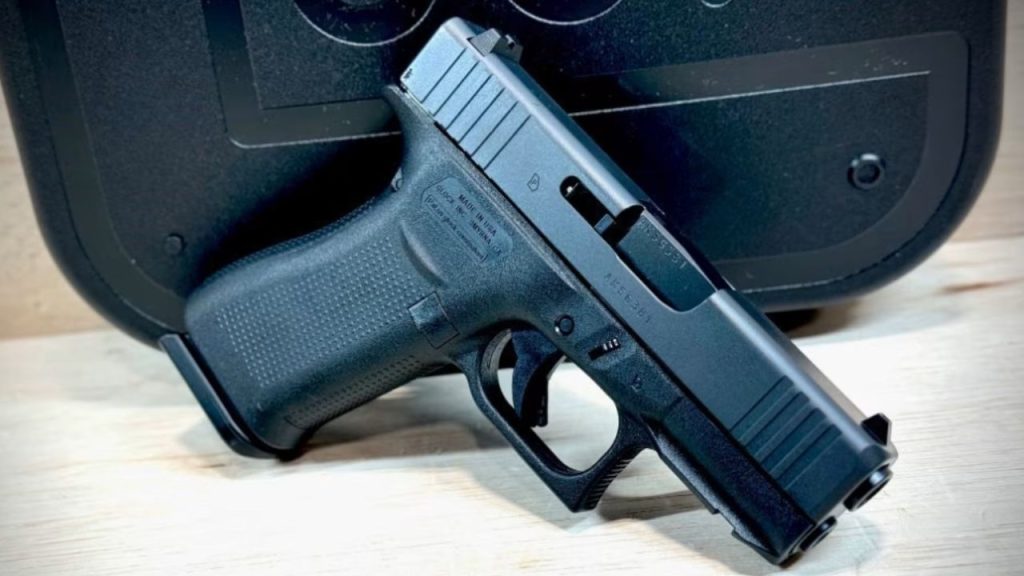
The Glock 43X feels terrific when you grip it. The frame fills the hand better than the original 43, and the slim slide gives it a balanced, easy carry profile. Many shooters pick it up, dry-fire it, and think they’ve found their next everyday gun.
Then you take it to the range and learn the sight picture can wander under recoil. The taller grip helps concealment but sometimes shifts in the hand during long strings. It’s still a reliable pistol, but the difference between how stable it feels and how it tracks under fire can surprise you.
Ruger LC9s
At rest, the LC9s feels like a smooth, compact carry gun. The polymer frame is shaped well, the trigger reach is friendly, and the size works for nearly any holster setup. It gives you the impression that shooting it will be steady and predictable.
Once live rounds start moving, the sharp recoil pulse catches some folks off guard. The thin grip gives up some control, and follow-up shots need more attention than expected. It’s accurate enough at defensive ranges, but the way it jumps during strings often surprises people who expected it to behave like a softer-shooting compact.
Smith & Wesson 642 Airweight
The 642 carries beautifully and feels light in the hand. In the store, the smooth DAO trigger and snag-free lines give it the aura of an easy pocket companion. Everything suggests a cooperative little revolver.
On the range, the lightweight frame brings every bit of recoil straight into your palm. The long trigger pull also demands extra focus you don’t see coming during dry-fire. Plenty of shooters walk away saying it feels nothing like what the gun suggested when they first picked it up. It’s capable, but you need to work harder than expected to get the most out of it.
Browning Buck Mark Lite

The Buck Mark Lite feels nimble. The grip angle is friendly, the weight distribution seems perfect for plinking, and the controls sit right where you want them. It sets you up to expect smooth, easy shooting.
But once you start running ammo through it, the ultralight barrel can reveal more movement than you anticipate. The gun shoots fine, but the muzzle tends to rise more than the heavier Buck Mark models. Groups can spread if your fundamentals slip. It’s still accurate, but the way the weight reduction affects the feel in motion can surprise newcomers.
SIG Sauer P365 SAS
The P365 SAS feels slick and compact, and the recessed sights make it incredibly clean to handle. In the hand, it seems like one of the easiest guns to point naturally.
Then you hit the range and discover the flush, anti-snag sighting system takes more practice than expected. That fiber-optic “bullseye” demands a slower sight acquisition until you learn it. The gun shoots soft for its size, but the sight system often slows shooters who assumed it would be intuitive right away. It’s a capable setup — but it surprises many the first time out.
CZ P-07
Dry-firing the P-07 gives you confidence. The grip texture works, the angles fit a wide range of hands, and the DA/SA system feels controllable. It’s one of those pistols that seems eager to work.
When you start shooting, though, the muzzle flip can be snappier than the gun’s weight suggests. The polymer frame is sturdy, but it doesn’t soak up recoil the way some heavier CZ models do. Many shooters expect it to track like the metal-framed classics and learn quickly that it behaves differently. It’s still accurate, but the movement can be surprising until you adjust.
Taurus 856 Ultra-Lite

The 856 Ultra-Lite feels balanced and easy to carry. The rounded edges and manageable grip size make it seem like it’ll be a smooth performer right out of the gate.
Then you fire it and discover how much recoil comes through a featherweight revolver. Even with standard-pressure loads, the muzzle rise is more than you anticipate. The trigger is serviceable, but longer strings can show the limits of such a light frame. Folks often expect the shooting experience to match the pleasant carry feel, and the difference catches them off guard.
Glock 30S
The Glock 30S feels great when you pick it up. The slim slide and familiar grip angle make it seem like a tamed-down .45 ACP you can control easily. You’d think it will track clean and steady.
But when you fire it, the compact frame and .45 ACP combination produce a sharper rise than the gun’s grip suggests. Many shooters expect it to feel closer to a 9mm Glock and are surprised by how much attention follow-ups require. It’s plenty accurate, but the mismatch between comfort in the hand and movement under recoil first surprises you.
Walther CCP M2
The CCP M2 feels fantastic during dry handling. The ergonomics live up to Walther’s reputation, and the gun points naturally for many shooters. At first grab, you’d swear it’s going to be smooth and controlled.
Live fire sometimes tells a different story. The gas-delayed system can produce a unique recoil impulse that feels softer at times and oddly timed at others. Some shooters find the cycling rhythm less predictable than expected. It’s reliable with the right ammo, but the way it moves during strings often doesn’t match the comfort the grip gives you.
Springfield XD-S Mod.2 9mm

The XD-S Mod.2 feels locked-in when you grip it. The texture, the slim frame, and the loaded-chamber indicator all build confidence. It feels like a gun that will behave politely on the range.
Once you fire it, the narrow frame shows its limits. The recoil is manageable but sharper than the grip would have you believe. Accuracy is serviceable, though rapid shots require more focus than anticipated. Many shooters expect the Mod.2 updates to tame the experience more than they actually do, and that surprise shows up quickly.
Beretta PX4 Subcompact
Dry-handling the PX4 Subcompact gives you a positive impression. The controls are familiar, the grip is shaped well, and the rotating-barrel lineage creates expectations about recoil behavior.
When shooting, though, the rotating system found in larger PX4 models isn’t present here, and that catches people off guard. The Subcompact uses a tilt-barrel design, and the recoil feels more like a traditional compact pistol. It’s still reliable, but the difference between what you expect from the PX4 name and how the small model actually shoots often surprises new owners.
KelTec PMR-30
The PMR-30 feels incredibly light and the 30-round capacity of .22 WMR makes you think it’ll be steady and easy to manage. The grip fills the hand nicely, and the weight distribution feels promising.
On the range, the light frame and high-velocity cartridge create more blast and movement than folks expect. Accuracy is decent, but the muzzle lift combined with the loud report often throws shooters off on the first outing. It’s fun, but the difference between how mild it feels in the hand and how lively it becomes during strings surprises nearly everyone.

Asher was raised in the woods and on the water, and it shows. He’s logged more hours behind a rifle and under a heavy pack than most men twice his age.


