Rifles That Fail When the Trophy Is in Sight
Every hunter has that story—the big buck finally steps out, breath hanging in the cold, everything perfect. Then the rifle does something you remember for all the wrong reasons. A light primer strike. A frozen bolt. A scope mount that shifts when recoil hits. Rifles don’t ruin hunts often, but when they do, it’s always when the stakes are high. Many failures stem from design shortcuts, plastic parts under stress, or rifles that shoot well on sunny range days but crumble in real weather.
These rifles have fan bases, but enough field stories exist to make you think twice before trusting them on your once-a-season opportunity.
Remington 770
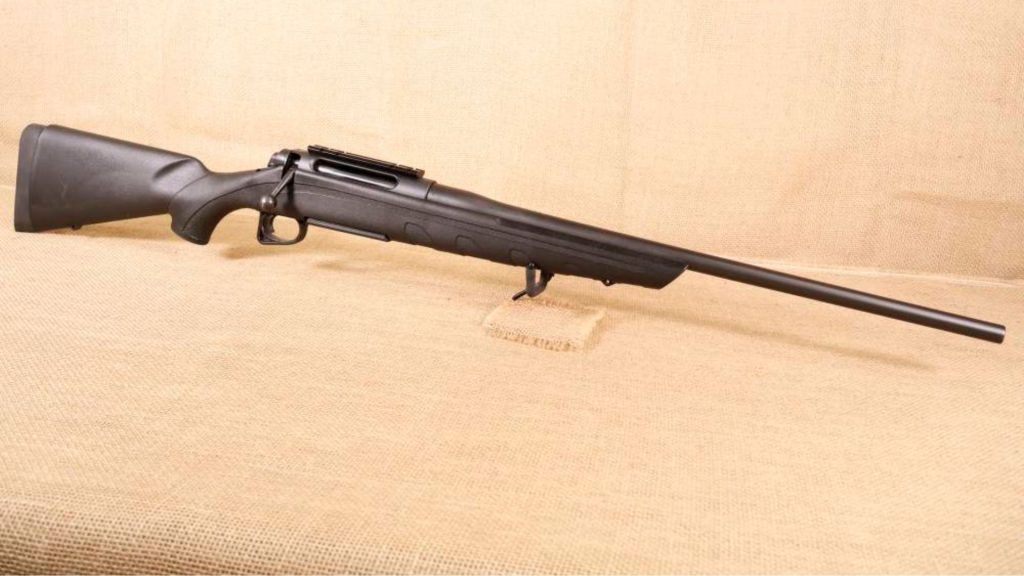
The Remington 770 sold thousands because of the price tag, but experienced hunters know its track record afield is rough. The action feels gritty straight from the box, and many users report extraction issues—especially after multiple rounds or in cold weather. Accuracy varies wildly gun-to-gun, and the plastic stock flexes enough to change point of impact when pressure is applied.
When that buck steps out and you cycle a follow-up shot, the sticky bolt can ruin your moment. Hunters who bought one often upgrade after the first big failure. It’s a rifle that’ll take game, but you gamble every time the conditions turn real.
Winchester Super X Model 70 (Early Post-2008 Runs)
Most Model 70s are legendary, but some early post-2008 Super X rifles had inconsistent machining and trigger issues. Light strikes and feed hang-ups showed up in the field, particularly in freezing weather. The rifles still shoot well when conditions cooperate, but you never want to question your rifle when a buck is inside 80 yards and staring holes through you.
If you own a solid one, count yourself fortunate. But more than a few hunters have watched a dream buck vanish after a bolt mishap or failure to chamber. Reliability is king in the moment of truth.
Mossberg ATR
The ATR promised affordability, but the budget construction shows under stress. The bolt can feel loose, feeding isn’t always smooth, and several hunters report wandering accuracy as barrels heat or weather shifts. Wet conditions expose weaknesses—stock swelling and corrosion show up faster than they should.
When adrenaline spikes and you rack the bolt for a second shot, sloppy cycling can cost you everything. There are better rifles out there in the same price bracket, and ATR owners often end up regretting trusting it as their primary deer rifle.
Ruger American (When Run Bone-Stock)
The Ruger American is a capable shooter, but its weakness shows when hunters expect premium performance without setup. The lightweight synthetic stock flexes easily, especially when rested on a rail or pack. A tight sling or bipod pressure can send shots unexpectedly low or high. That becomes a disaster when a buck steps out and your zero drifts under real tension.
With aftermarket stocks or bedding work, it becomes a different rifle entirely. But many hunters buy it as-is and learn the hard way when the crosshair and impact suddenly disagree.
CVA Hunter Single Shot
Simple rifles sound foolproof, but the CVA Hunter has quirks. The break-action design works, but the trigger pull can be heavy and inconsistent across production runs. Light guns also amplify flinch, which shows up fast when adrenaline hits. Hunters report scope “walk” under recoil due to low-end bases and screws loosening if not checked constantly.
Single-shot hunting demands confidence. When the hammer drops and something feels off, you have no safety net for follow-ups. Many hunters find themselves wishing they’d carried something more substantial when a mature buck stops at 110 yards and angles away into cover.
Remington 710
The 710 became infamous for bolt failures and extraction problems. The pressed-in barrel and plastic parts made it cheap, but longevity wasn’t its strong suit. Cold-weather hunters especially noted cycling problems and binding. Accuracy on paper might look fine, but when sitting still for three hours in November, trusting the rifle to function felt questionable.
Stories aren’t rare—buck appears, hunter fires, bolt jams, and backup shot never happens. A rifle that works once isn’t the same as one that works every time. The 710 taught many hunters that reliability beats low sticker price.
Savage Axis (With Factory Trigger)
The Axis can be accurate, but the factory trigger has been the downfall of many shots. It’s heavy enough to pull you off target if you’re rushed or cold. Combine that with a light stock and stiff recoil feel, and the result is blown opportunities when hearts race. Many hunters improve theirs with aftermarket triggers and bedding, but out-of-box setups demand discipline.
If you’ve ever watched your crosshair wobble mid-pull as a buck stands broadside, you know how quickly a heavy trigger becomes the villain. This rifle is capable—but only when properly upgraded.
Browning AB3
Browning makes excellent rifles, but the AB3 has earned a reputation for feeding inconsistencies in some calibers—especially with polymer magazines. It’s accurate enough for deer, but when a quick follow-up matters, you want feeding silky smooth. Hunters report occasional bolt hesitation and magazine seating issues that show themselves at the worst time.
The rifle shoots straight from a bench, but field stress exposes things paper targets don’t. When you’re shaking over a mature buck, you want muscle memory—not wrestling a magazine click.
Thompson Center Venture (Early Safety Recall Models)
The Venture line shoots well, but early models had a documented recall for sear issues, creating potential safety concerns. Even post-recall rifles sometimes exhibit stiff bolt lift when dirty or cold. They’re accurate rifles, but mechanical quirks make some hunters hesitant to trust them with a once-in-a-lifetime animal.
When bucks move fast and you need a second opportunity, sticky cycling isn’t your friend. Many Venture owners swear by them—but plenty also tell stories of chances lost because cycling didn’t go as expected.
Rossi Single Shots
Rossi single shots are affordable and light, but field reliability under pressure is a mixed bag. Loose lock-up and heavy triggers show up across many real-world reports. Add lightweight recoil and cheap scope bases, and accuracy can wander after bumps or temperature changes.
For youth hunts or close-quarters woods work, it takes deer. But when the buck of a lifetime steps out at 175 yards and you’re fighting trigger creep, confidence disappears. A rifle that needs babying is tough to love when conditions are wet, muddy, and adrenaline-filled.
Weatherby Vanguard Series 1
The Vanguard Series 1 is capable, but some early models suffered inconsistent cold-bore impact and wandering zero. Fine on the range—bad during first-shot scenarios in November. If you don’t shoot frequently or season-test your rifle, this trait can show up when the only shot of the season finally arrives.
The Series 2 fixed most of those issues, but hunters still complain online about early rifles costing them animals. If you track or still-hunt and rely on cold precision, you’ll want a rifle without this reputation.
Any Rifle with Cheap Scope Rings and Loose Mounting
It’s not always the rifle—it’s what holds the glass. Cheap rings, un-torqued screws, and bargain scopes ruin more trophy moments than anything else on this list. Even a great rifle turns useless if the zero drifts when weather drops or recoil shifts hardware. Many hunters learn hard lessons when a buck stands broadside at 120 and the bullet prints six inches high.
If anything deserves investment, it’s mounting hardware. A solid rifle deserves strong rings and a torque wrench, not hope and crossed fingers. Failure doesn’t care how good the gun shoots at the range—it cares how ready it is when everything matters.

Leo’s been tracking game and tuning gear since he could stand upright. He’s sharp, driven, and knows how to keep things running when conditions turn.