PETA Urges Boycott of Kentucky Derby as Horse Death Toll Mounts at Churchill Downs
When one of the most recognizable events in horse racing starts drawing attention for the wrong reasons, people notice. That’s what’s happening now after an animal rights group called for a boycott of the Kentucky Derby, pointing to a growing number of horse deaths tied to Churchill Downs.
The situation has sparked strong reactions online, with people debating whether the event should continue as it always has — or whether something needs to change.
What Sparked the Boycott Call
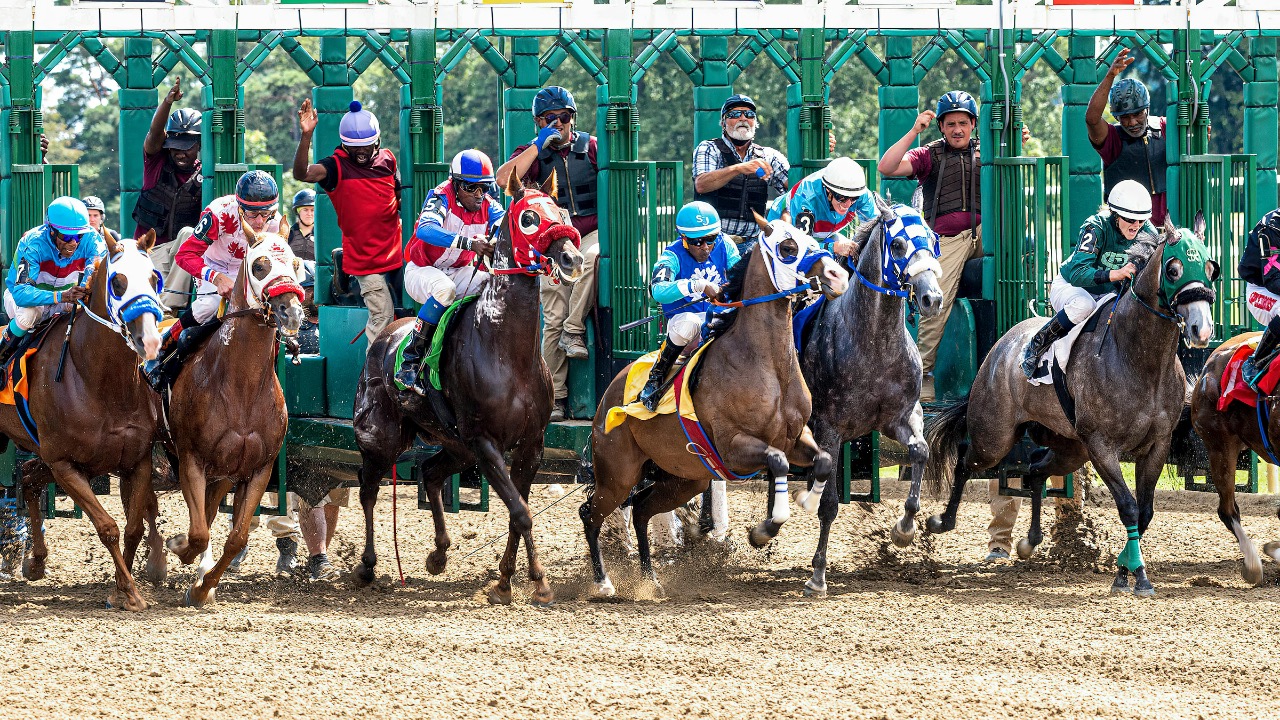
The controversy centers on a series of horse deaths that have occurred at Churchill Downs, particularly around major racing periods. According to reports and discussions circulating online, multiple horses have died following injuries sustained during training or racing.
That’s what led PETA to publicly urge a boycott of the Kentucky Derby, arguing that the risks to the animals involved are too high to ignore.
From their perspective, the issue isn’t isolated — it’s part of a larger pattern.
Why This Is Getting Attention
The Kentucky Derby isn’t just another race. It’s one of the biggest events in horse racing, drawing national attention every year. That’s why concerns tied to it tend to spread quickly.
For many people, the idea that multiple horses have been injured or killed in connection with the same venue raises questions about safety conditions, training practices, and how much risk is acceptable in the sport.
Once those questions start circulating, they don’t stay contained.
A Divided Reaction
As the story has spread, reactions have been mixed.
Some people agree with the boycott call, saying that repeated incidents point to a deeper issue that needs to be addressed. From that point of view, continuing the event without major changes feels hard to justify.
Others push back, arguing that horse racing has always involved risk and that steps are already being taken to improve safety. They see the boycott call as an overreaction, especially without full context behind each incident.
That divide is what’s driving the conversation.
The Bigger Debate
At its core, this isn’t just about one race or one year.
It’s about how people view the balance between tradition and safety. The Kentucky Derby has been around for generations, but situations like this force a closer look at what happens behind the scenes.
For some, it’s a question of whether the event can continue in its current form. For others, it’s about whether the focus should be on improving conditions rather than stepping away entirely.
Why This Story Is Spreading
Stories like this tend to gain traction because they combine a major public event with a serious concern.
You have something widely recognized — the Kentucky Derby — and then you add a claim that challenges how people see it. That combination naturally leads to strong opinions on both sides.
What Happens Next
At this point, the discussion is still ongoing.
The boycott call has added pressure, but it hasn’t settled the issue. Instead, it’s brought more attention to something that people are now paying closer attention to.
And as long as that attention stays there, the conversation isn’t going away anytime soon.

Leo’s been tracking game and tuning gear since he could stand upright. He’s sharp, driven, and knows how to keep things running when conditions turn.