Guns that look impressive but don’t hold up in real use
There’s a certain kind of gun that grabs your attention the second you see it. Maybe it’s the finish, the size, or the way it looks like it belongs in a movie. On the counter or in photos, it checks every box. But once you actually put rounds through it—dirty conditions, long range days, real-world handling—that shine tends to wear off fast.
You learn pretty quickly that looks don’t keep a gun running. Weight matters. Ergonomics matter. Reliability matters more than anything. And some firearms that seem impressive at first glance end up being the ones you leave in the safe when it’s time to head out the door.
Desert Eagle
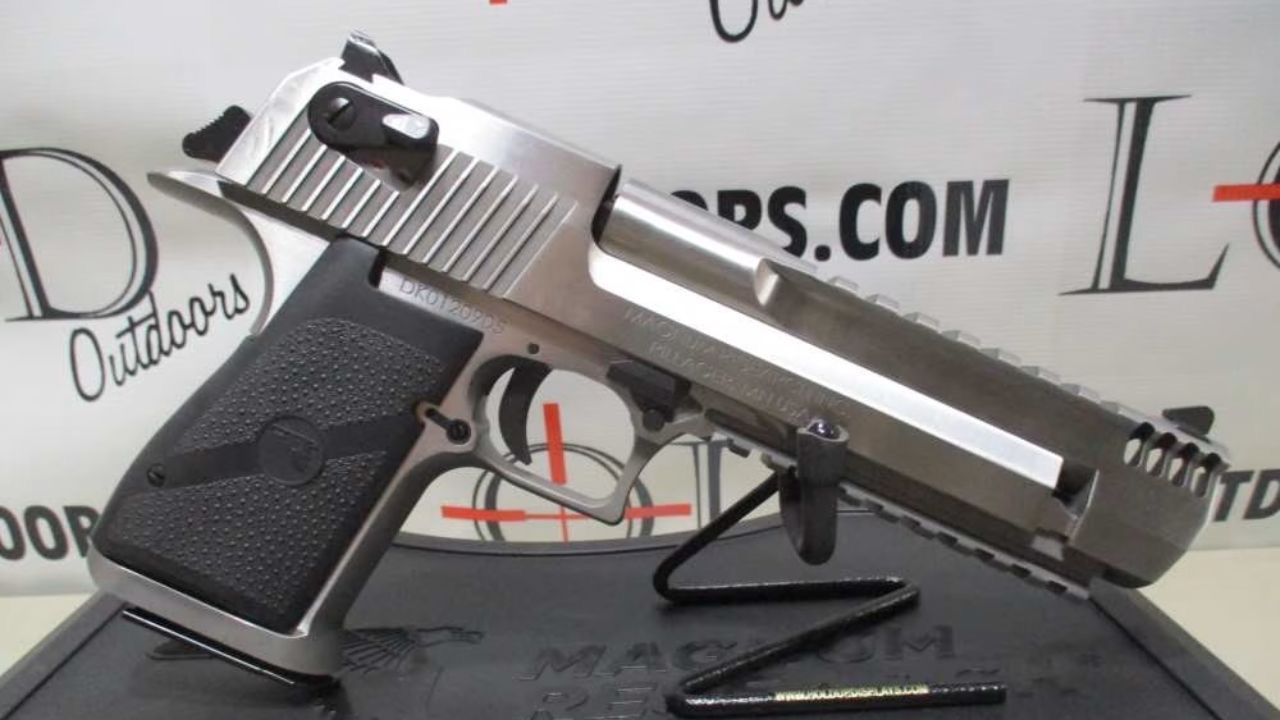
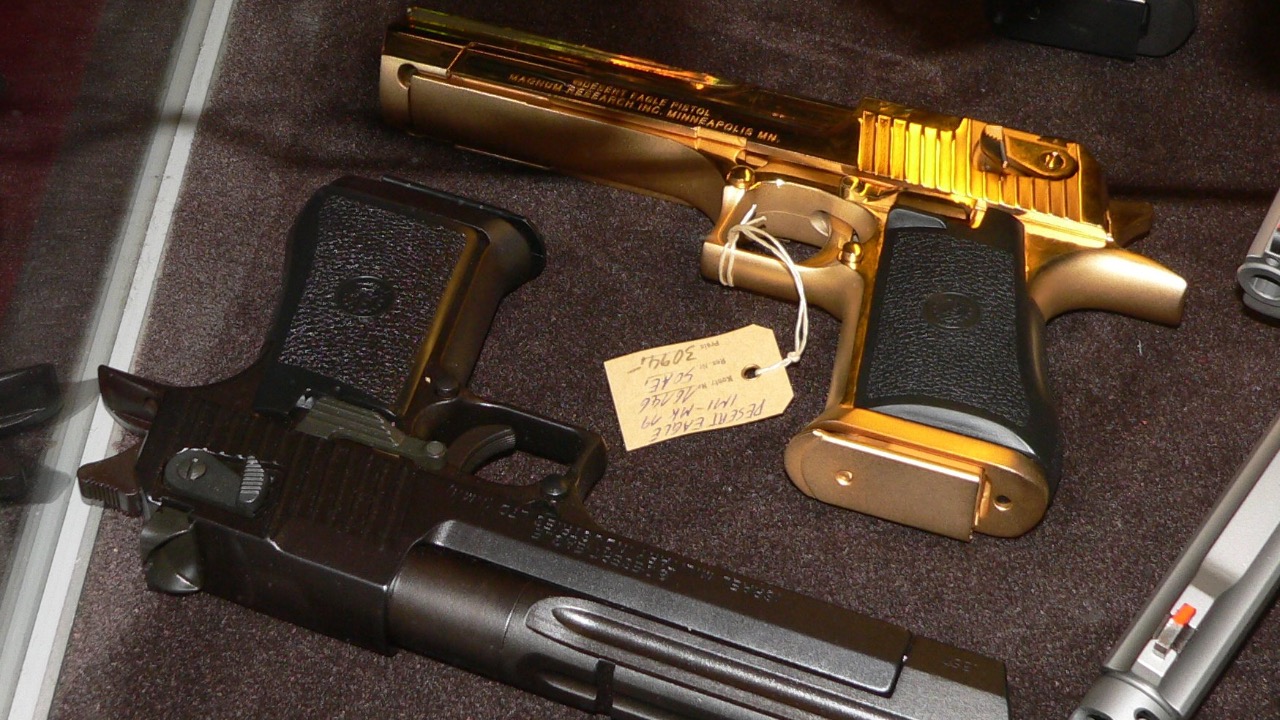
You can’t ignore it. The Desert Eagle is massive, loud, and built like something out of a movie set. Chambered in big calibers like .50 AE, it has a presence that few handguns can match. On paper, it sounds like the ultimate power move.
But once you spend real time with it, the drawbacks stack up. It’s heavy enough to wear you out, recoil is punishing, and reliability can get spotty if you’re not feeding it exactly what it likes. It’s also impractical for most real-world uses—too big for carry, too cumbersome for extended shooting sessions. It impresses people at the range, but it’s rarely the gun you reach for when performance actually matters.
Kel-Tec Sub-2000
The folding design is what sells this one. Being able to collapse a 9mm carbine in half and toss it in a backpack sounds like a smart setup. It’s lightweight, compact, and takes common pistol magazines, which makes it even more appealing.
Then you start shooting it. The ergonomics feel awkward, especially with the charging handle placement and cheek weld. Recoil impulse is harsher than expected for a 9mm, and the sights can be frustrating to use consistently. It works, but it doesn’t feel refined or durable under heavy use. It’s a clever concept, but one that starts to feel compromised once you put rounds downrange.
Taurus Judge
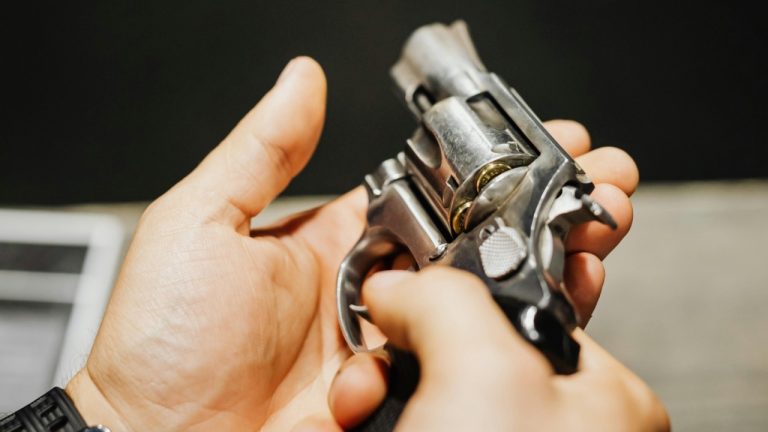
The idea of firing both .410 shotgun shells and .45 Colt out of the same revolver gets a lot of attention. It sounds versatile and powerful, especially for close-range use. It’s the kind of gun people pick up because it seems like it can do everything.
In practice, it doesn’t excel at much. The .410 loads spread quickly and lack consistency, while .45 Colt performance out of the short barrel is underwhelming. Accuracy suffers, and recoil can be unpredictable depending on what you’re shooting. It’s not as effective as a dedicated handgun or shotgun in their respective roles. What looks like flexibility ends up feeling like compromise.
Hi-Point Pistols
At first glance, they look rugged—chunky slides, aggressive styling, and a reputation for being tough. They’re also affordable, which adds to their appeal for first-time buyers or anyone looking for a budget option.
Once you spend time shooting one, the limitations are obvious. The weight distribution feels off, the triggers tend to be rough, and the overall build quality leaves something to be desired. While many will run reliably, they’re not pleasant to shoot for long sessions, and durability under heavy use is questionable. They get attention because of their price and appearance, but they’re rarely a favorite once you’ve handled better-built alternatives.
Mossberg 590 Shockwave
It looks like something built purely for intimidation. The compact size and bird’s head grip give it a unique profile, and it’s often marketed as a powerful, maneuverable option for close quarters.
In reality, it’s difficult to control and even harder to shoot well. Without a stock, managing recoil becomes a real challenge, especially with defensive loads. Accuracy is limited, and follow-up shots are slower than you’d expect. It fills a niche, but it’s not nearly as practical as a standard shotgun. What seems like a compact advantage turns into a handling issue the moment you start firing.
FN Five-seveN
There’s no denying it stands out. High capacity, lightweight, and chambered in 5.7x28mm, it carries a reputation for speed and low recoil. It also looks modern and sharp, which adds to the appeal.
The problem is that performance doesn’t always match expectations. Ammunition is expensive and harder to find, which limits how often you’ll realistically train with it. Terminal performance has been debated for years, and the gun itself feels somewhat bulky for what it offers. It’s easy to admire, but harder to justify when you’re looking at practical, everyday use.
Magnum Revolvers (Ultra-Light Models)
Lightweight .357 or .44 Magnum revolvers sound like a great idea—serious power in a carry-friendly package. They look clean, compact, and capable of handling anything you throw at them.
Then you pull the trigger. The recoil is sharp and unforgiving, often to the point where it discourages regular practice. Follow-up shots are slow, and accuracy suffers under that kind of kick. Many shooters end up loading them with lighter rounds, which defeats the purpose of carrying a magnum in the first place. They look like a perfect balance of power and portability, but in use, they can be more punishment than they’re worth.
AK-Pattern Shotguns
They have a certain appeal—detachable magazines, aggressive styling, and the familiarity of the AK platform. On the rack, they look like they’re built for serious work.
Out in the field, they can be inconsistent. Feeding issues are common, especially with different types of shells. Magazines can be bulky and unreliable, and the overall handling feels clunky compared to traditional shotguns. They’re fun to shoot when they’re running right, but that reliability isn’t always there. What looks like a tactical upgrade often ends up being less dependable than a standard pump or semi-auto shotgun.
Bond Arms Derringers
They’re compact, heavy-duty, and chambered in surprisingly powerful calibers. At a glance, they look like a solid backup option—small enough to carry anywhere, with enough punch to matter.
Once you actually shoot one, the limitations are hard to ignore. Recoil is harsh due to the size, and the two-shot capacity leaves no room for error. Reloading is slow, and accuracy takes work because of the short sight radius. They’re well-built, but not practical for most situations. The appeal is in the size and power, but that tradeoff comes with real drawbacks when you need consistency and control.
A good-looking firearm can draw you in, but time behind the trigger tells the real story. When you start factoring in reliability, comfort, and how a gun performs over hundreds of rounds—not a handful—the list of what actually works gets a lot shorter. The guns that hold up aren’t always the ones that stand out at first glance, but they’re the ones you keep coming back to when it counts.

Asher was raised in the woods and on the water, and it shows. He’s logged more hours behind a rifle and under a heavy pack than most men twice his age.