Trump orders US military to escort ships through Iran’s blockade of the Strait of Hormuz as Tehran accuses breach of truce
As tensions flare in one of the world’s most vital shipping lanes, the latest moves by the Trump administration have thrust the Strait of Hormuz back into the spotlight. You follow the story as President Donald Trump directs U.S. forces to help stranded commercial vessels navigate the passage, a step framed as support for neutral shipping caught in the crossfire of the broader U.S.-Iran conflict. The announcement landed Sunday evening, with operations set to begin Monday under the name Project Freedom. Iran wasted little time pushing back, calling the effort a violation of any existing understandings and warning that American involvement would meet resistance. The strait, which carries roughly a fifth of global oil trade, has seen traffic grind nearly to a halt amid mines, threats, and earlier U.S. enforcement actions that began in April.
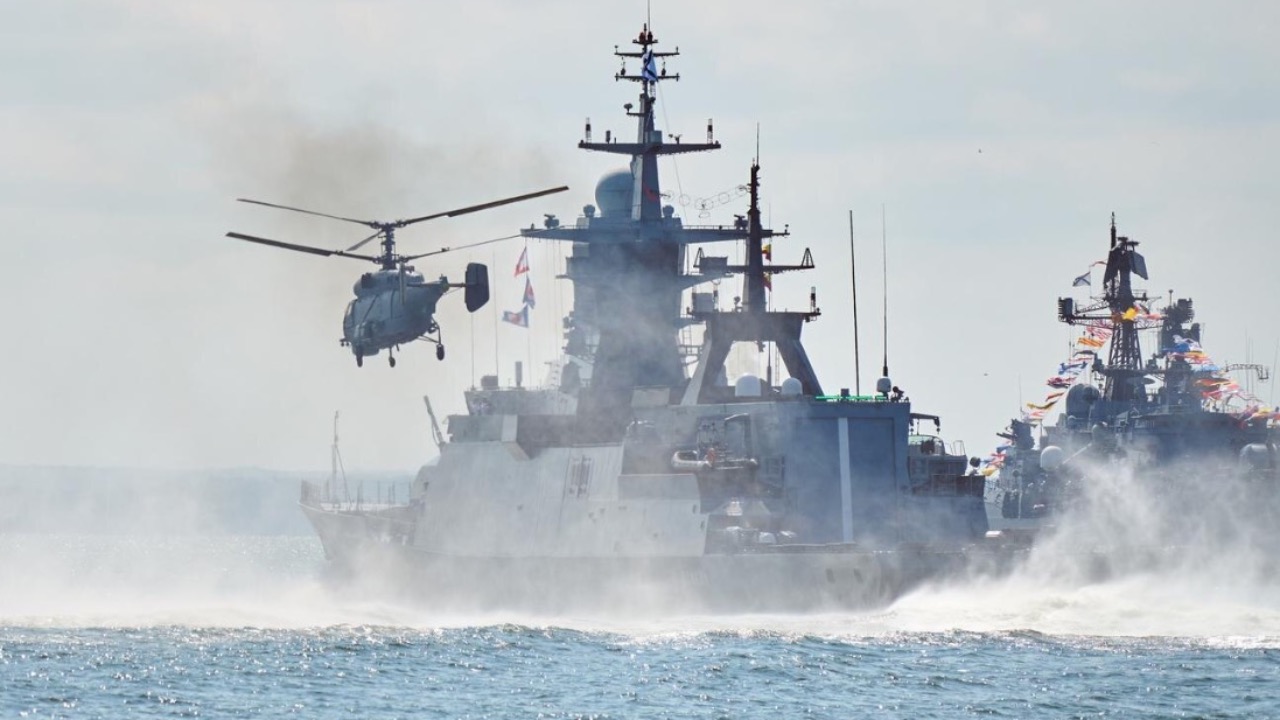
The decision reflects months of escalating pressure in the region. You watch as the White House points to requests from countries whose ships and crews—hundreds of vessels and tens of thousands of seafarers—have been stuck because of Iranian threats and the ongoing naval standoff. Trump described the operation in a Truth Social post as a practical way to let innocent bystanders resume their business without becoming part of the dispute. U.S. Central Command confirmed it would provide military support starting May 4, deploying guided-missile destroyers, aircraft, and thousands of personnel to coordinate safe passage. Officials emphasize this is not about restarting full combat but about restoring basic movement through waters Iran has effectively closed to commercial traffic.
Background of the current standoff
You see how the latest flare-up builds on a pattern that dates back to early April. The United States imposed a naval blockade targeting Iranian ports after diplomatic talks collapsed. Iranian forces responded by laying mines and using small boats to disrupt traffic, prompting Trump to order American forces to intercept and neutralize those threats. Minesweepers moved in, and reports of attacks on commercial ships near the strait multiplied. By late April the waterway had become a choke point, with insurance rates spiking and tankers rerouting at enormous cost. The current effort to guide ships out represents an attempt to ease that bottleneck without formally ending the larger confrontation.
This phase also follows Iran’s recent peace overture, a 14-point proposal that the White House is still reviewing with visible skepticism. Tehran presented the plan as a path to de-escalation, yet simultaneous actions in the strait suggested little immediate willingness to reopen lanes. Neutral observers note that both sides continue to calibrate their statements for domestic audiences while the economic pain from disrupted oil flows ripples outward.
Details on Project Freedom
You examine the operational outline that CENTCOM released Sunday night. The mission centers on safe transit for merchant vessels seeking to exit the area, using a mix of coordination with shipping companies, insurers, and participating nations. U.S. Navy assets will provide guidance and protection where needed, though public descriptions stop short of promising armed escorts for every hull. The goal remains clearing the immediate backlog so crews can reach safer waters and the flow of goods can resume for non-combatant parties. Officials stress that returning traffic will wait until the region stabilizes.
Implementation began at dawn Middle East time on May 4. Early indications show several vessels already moving under American oversight, though details on exact numbers remain limited for security reasons. The scale involves more than a dozen warships and over a hundred aircraft in support roles, according to defense sources familiar with the planning.
Iran’s response and accusations
You hear Tehran’s swift condemnation framing the American operation as a direct breach of any truce-like pause that had been quietly observed. Iranian officials declared that U.S. warships entering the strait would be treated as hostile, raising the specter of fresh clashes. State media highlighted the move as further evidence of Washington’s disregard for international norms in the gulf. Senior Revolutionary Guard commanders issued maps claiming expanded control zones and vowed to defend what they call sovereign waters.
At the same time, Iran has continued limited strikes against vessels it accuses of supporting the blockade. One cargo ship reported damage near the strait on Sunday, adding to the list of incidents that have kept insurers on edge. Diplomatic channels remain open but strained, with both capitals trading blame for the impasse.
Effects on global energy markets
You notice oil prices edging higher in early trading Monday as traders digest the news. The strait’s importance means even a temporary reopening for select ships carries symbolic weight, yet uncertainty dominates. Asian buyers who rely heavily on Middle Eastern crude watch closely, aware that prolonged disruption could push benchmark prices well above recent averages. European and American refiners have already begun adjusting inventories.
Shipping firms report that the cost of rerouting around Africa has doubled insurance premiums on affected routes. Some companies are now weighing whether to participate in the U.S.-led guidance or continue waiting it out. The ripple effects extend to stock markets in energy-dependent economies, where any sign of progress or setback in the strait moves trading floors.
Military posture and risks involved
You consider the force posture now visible in the gulf. American commanders have positioned assets to deter interference while avoiding direct provocation. The operation relies on real-time intelligence and de-confliction protocols to keep commercial traffic separate from any Iranian military movements. Still, the risk of miscalculation remains high given recent exchanges of fire and the presence of fast-attack boats on the Iranian side.
Defense analysts point out that the U.S. has conducted similar freedom-of-navigation missions in the past, but the current scale—tied to an active blockade—adds layers of complexity. Communication hotlines between the two militaries exist, yet trust is thin after months of tit-for-tat actions.
Outlook for diplomacy and stability
You look ahead and see limited room for quick breakthroughs. The White House continues to review Iran’s latest proposal even as operations unfold, signaling that any broader truce would require verifiable steps to reopen the strait permanently. Regional allies in the Gulf Cooperation Council have quietly welcomed the American effort to protect neutral shipping, though public statements remain measured to avoid inflaming tensions.
Longer term, the episode underscores how fragile the balance in the Persian Gulf has become. Energy security for much of the planet hinges on safe passage here, and the events of recent weeks have reminded everyone how quickly that safety can vanish. Whether Project Freedom serves as a bridge back to talks or simply prolongs the deadlock will depend on choices made in the coming days by leaders in Washington and Tehran.

Asher was raised in the woods and on the water, and it shows. He’s logged more hours behind a rifle and under a heavy pack than most men twice his age.