
Things You Do That Teach Deer to Avoid You
Deer don’t survive by being dumb. They’re wired to recognize patterns that lead to danger. The more you show your hand—whether it’s with scent, sound, or movement—the faster they figure you out. Most hunters don’t realize they’re training deer to avoid them every time they step into the woods.
If you’ve noticed the woods getting quieter, deer showing up later, or trails going cold, odds are the deer already learned your routine. Here’s exactly what teaches them to give you a wide berth.
Walking the Same Entry Trail Every Time
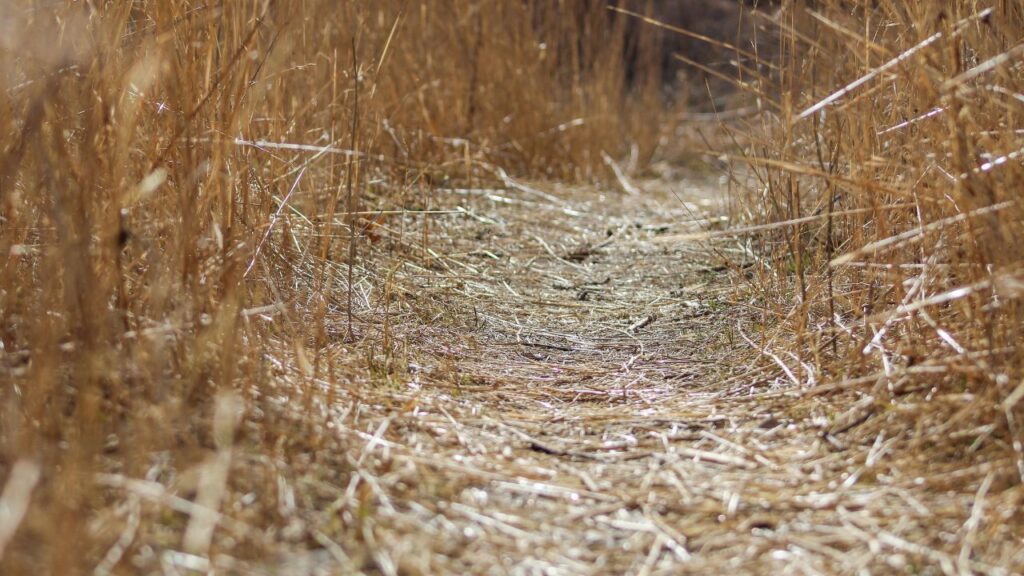
Deer are masters at patterning danger. If you use the same trail to your stand every hunt, they’ve got you figured out. They smell the ground scent, notice the pressure, and shift their movement.
It doesn’t take long before they start avoiding the trail entirely or only crossing it after dark. Mixing up your entry and exit is critical. Keep hammering the same path, and you’re teaching them where not to be.
Ignoring the Wind

Nothing educates deer faster than ignoring wind. You might fool their eyes or ears for a minute, but their nose never lies. One swirl of bad wind tells them everything they need to know.
Deer don’t forget where danger comes from. Blow your scent into bedding or feeding areas a few times, and you won’t have to worry about seeing them there again—they’ll adjust.
Overcalling
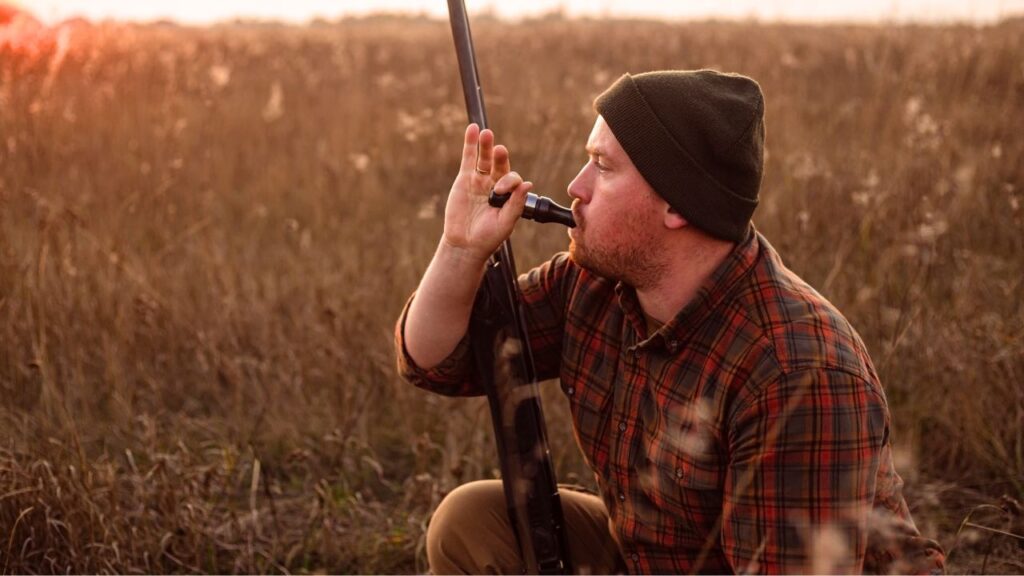
Every grunt, bleat, or rattle sends a message. Done right, it can bring a buck in. Done wrong, it’s a billboard that says, “Hunter sitting right here.” Overcalling in pressured areas teaches deer to associate those sounds with danger.
When deer hear the same fake grunt or rattle in the same spot every weekend, they learn to ignore it—or worse, avoid the whole area. Subtle, well-timed calling works. Blindly hammering calls does not.
Letting Stands Get Stale
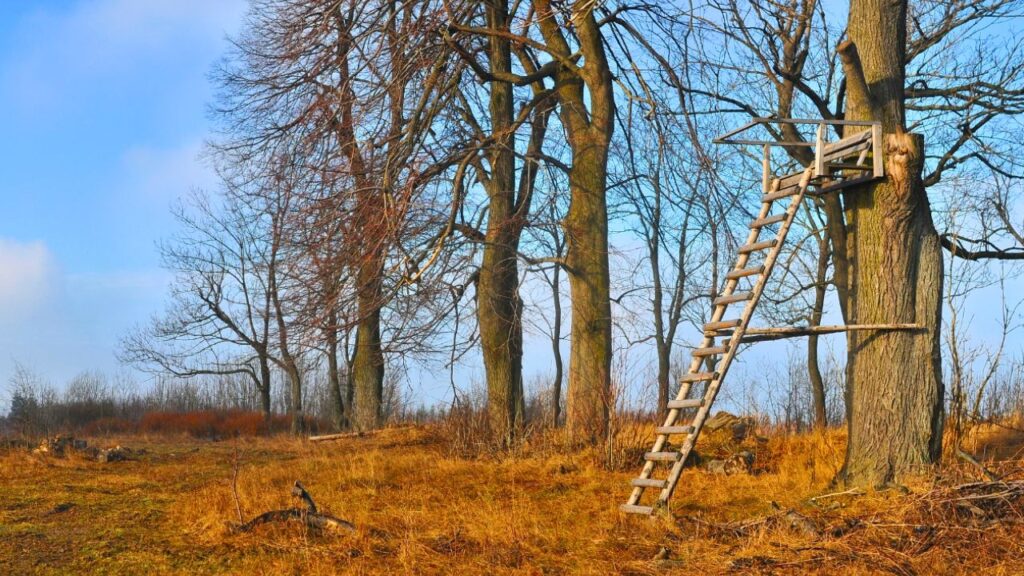
Sitting the same stand too often teaches deer exactly where you are. They pick up on ground scent, shifting wind patterns, and movement around that setup.
It starts with does skirting the area. Then younger bucks shift routes. Before long, mature deer avoid it completely in daylight. Rotate stands, let spots rest, and stay unpredictable.
Slamming Your Truck Door

You’d be amazed how far the sound of a truck door carries in the woods. Deer near parking areas or field edges get trained real fast that a door slam means danger is coming.
It’s one of the easiest mistakes to fix—and one of the most common ways hunters tip off every deer within earshot before they even grab their bow. Quiet entries start before your boots ever hit the dirt.
Moving Too Much in the Stand
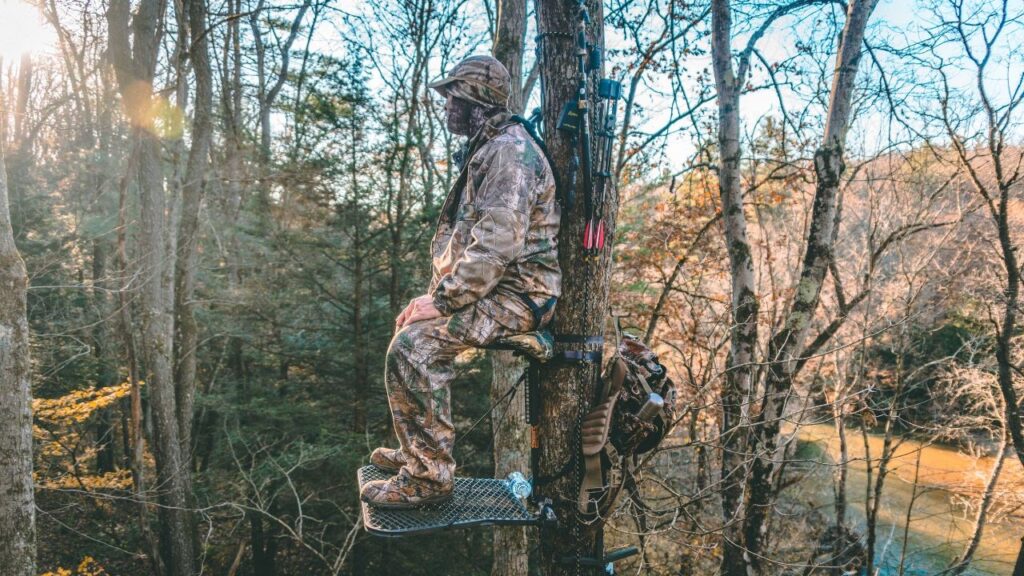
Fidgeting, adjusting, glassing with big head movements—it all gets noticed. Deer pick off unnatural movement faster than anything. Once they catch it in a certain spot a few times, they start scanning that tree every time they come through.
Even if they don’t blow out, they change how they move. They hang back, shift trails, or swing downwind before committing. It doesn’t take long before daylight movement disappears completely.
Not Managing Ground Scent
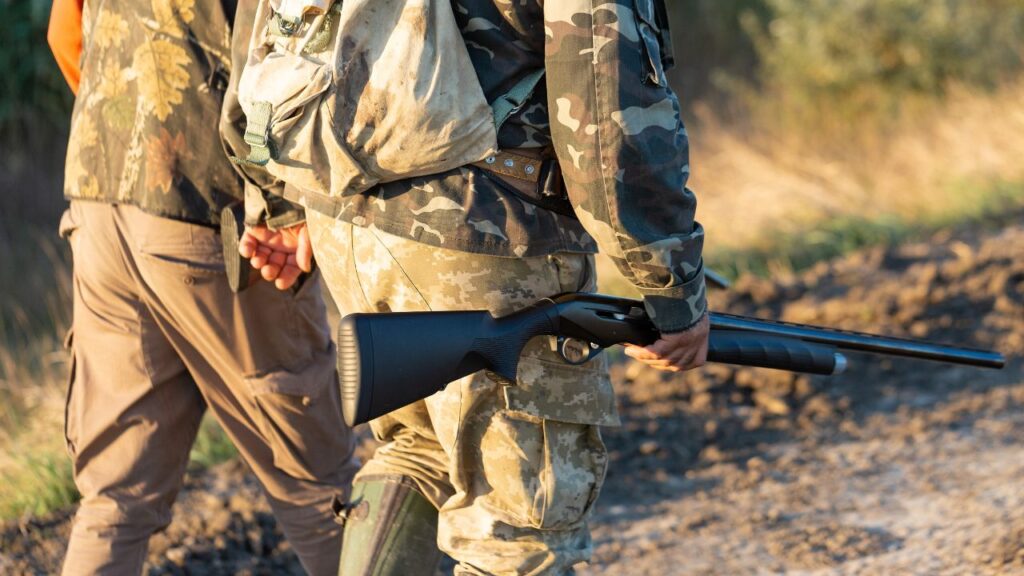
Every step leaves a trail. Cutting across deer trails, bedding edges, or staging areas leaves scent that hangs around long after you’re gone.
Deer check their world with their nose first. If they cross your scent trail even hours after you left, it’s a warning sign. Do it enough, and they’ll stop using those trails altogether in daylight.
Being Noisy Setting Up

Clanking sticks, dropping gear, metal-on-metal—it all gets broadcast through the woods. Deer near bedding areas or staging zones hear that noise and peg it for what it is.
It only takes a few busted setups before the local herd starts avoiding that corner of the woods. Slow down. Tape gear. Think ahead. Noisy setups are the quickest way to make a good spot go dead.
Ignoring Thermals

Thermals shift air flow throughout the day—rising in the morning and falling in the evening. Ignoring that gets your scent pushed exactly where it shouldn’t go.
Even with a “good” wind, bad thermals will ruin a hunt fast. Deer don’t have to see or hear you. If your thermal drift hits a bedding area or trail, the lesson gets learned quick: danger smells like you.
Pressuring Bedding Areas Too Often

Sneaking too close to bedding can work once. Push it too often, and you’re burning the best part of your property. Deer don’t tolerate repeated intrusions into where they feel safe.
Once pressured, they shift bedding farther, go nocturnal, or leave completely. You may not see the blowout happen—but you’ll notice the area going dead. It’s a lesson you teach them without meaning to.

Leo’s been tracking game and tuning gear since he could stand upright. He’s sharp, driven, and knows how to keep things running when conditions turn.


