US Justice Department Challenges Denver’s AR-15 Ban in Latest Second Amendment Court Battle
A new legal fight over gun rights is unfolding after the U.S. Justice Department challenged Denver’s ban on AR-15-style rifles and similar firearms. The case is quickly becoming part of the larger national debate over how far local governments can go in restricting certain weapons while still staying within the limits of the Second Amendment.
The challenge comes as courts across the country continue reevaluating gun laws after recent Supreme Court decisions reshaped how firearm restrictions are judged. Because of that, cases that may have once seemed settled are now being pulled back into court and examined under stricter constitutional standards.
Why Denver’s ban is facing scrutiny
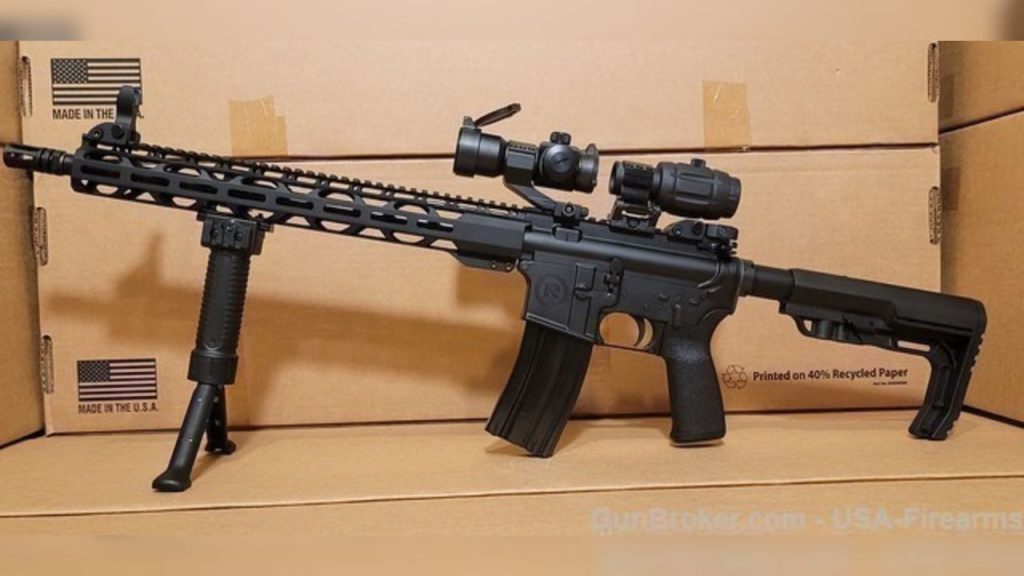
Denver’s restrictions focus on semiautomatic rifles commonly grouped under the label of “assault weapons,” including AR-15-style platforms. Supporters of the ban argue that limiting access to these firearms could help reduce mass shootings and improve public safety in densely populated areas.
Critics argue the ban targets firearms that are widely owned for lawful purposes such as sport shooting, home defense, and recreation. They also claim the restrictions conflict with constitutional protections by banning an entire category of commonly owned firearms rather than regulating misuse.
The legal argument behind the challenge
The Justice Department’s challenge is tied closely to recent court rulings that changed how judges evaluate gun laws. Courts are now placing greater emphasis on whether a firearm restriction is consistent with the historical tradition of gun regulation in the United States.
That shift has created new pressure on state and local bans that were previously upheld under older legal standards. Opponents of Denver’s law believe the city may have difficulty defending the restriction if the court determines there is not enough historical precedent for banning commonly owned semiautomatic rifles.
Why AR-15-style rifles remain at the center of debate
The AR-15 has become one of the most politically debated firearms in America. Supporters often point to its popularity, modular design, and widespread civilian ownership as reasons it should remain protected under the Second Amendment.
At the same time, gun control advocates frequently focus on the rifle because of its connection to several high-profile mass shootings over the years. That has turned the AR-15 into both a legal and symbolic battleground in the broader national argument over gun policy.
Possible impact beyond Colorado
Legal experts believe the outcome of this case could affect more than just Denver. Other cities and states with similar bans are watching closely because a major ruling could influence how future gun restrictions are written and challenged nationwide.
If the court sides against Denver, it may encourage additional lawsuits targeting similar laws across the country. If the city successfully defends the ban, supporters of stricter gun laws could view the ruling as support for broader local authority over firearm regulation.
What happens next in the court fight
The case is expected to move through a lengthy legal process that could involve appeals and potentially attract national attention. Both sides are likely preparing for a broader constitutional fight rather than treating this as a routine local dispute.
For now, the challenge represents another major test of how courts will interpret the Second Amendment in the years following recent Supreme Court decisions. As more cases reach federal courts, the legal boundaries surrounding firearm restrictions are still being defined in real time.

Leo’s been tracking game and tuning gear since he could stand upright. He’s sharp, driven, and knows how to keep things running when conditions turn.