Aftermath of UK Mass Shooting Renews Questions Over Gun Access and Public Safety
Mass shootings are rare in the United Kingdom compared to many other countries, which is part of why they tend to leave such a lasting impact when they do happen. Now, after renewed public discussion surrounding past UK mass shootings and firearms licensing failures, people online are once again debating whether current safeguards are strong enough.
The conversation has been fueled by a mix of recent reporting, documentaries revisiting older tragedies, and ongoing criticism of how certain firearm licenses were approved in past cases.
Why the Debate Is Back
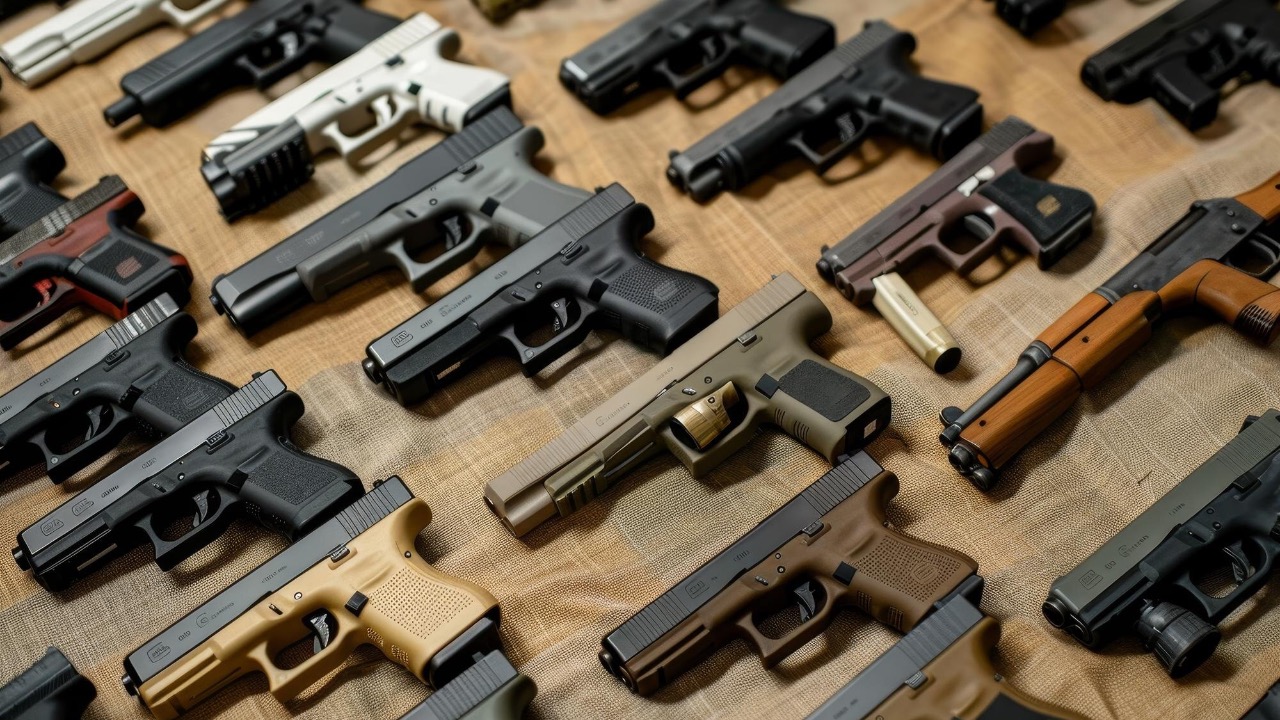
Much of the current discussion traces back to several high-profile shootings in the UK over the past few decades, including the 1996 Dunblane school massacre and the 2021 Plymouth shooting.
In the aftermath of those events, major changes were made to UK firearm laws, including restrictions on private handgun ownership after Dunblane.
But despite the UK already having some of the strictest gun laws in the world, recent criticism has focused less on the laws themselves and more on licensing decisions and enforcement failures.
Questions Around Licensing
One of the biggest points of discussion online is how certain individuals were still able to legally possess firearms despite previous warning signs.
Following the Plymouth shooting, coroners and families of victims pushed for broader reforms to the licensing system, arguing that existing checks failed to identify risks early enough.
Recent UK guidance has since placed more emphasis on domestic violence histories, mental health concerns, and input from household members during licensing reviews.
Online Reactions Have Been Divided
As discussions spread across Reddit and other platforms, reactions quickly split into different camps.
Some users argued that tragedies involving legally owned firearms show the need for even tighter oversight and stricter licensing reviews. Others pushed back, claiming that the UK already has extremely restrictive laws and that failures often come down to enforcement rather than access itself.
That divide is part of what keeps the debate active years after some of these shootings occurred.
Why These Stories Continue To Resurface
Part of what makes these events stick in public memory is how unusual they are within the UK.
Gun violence rates remain relatively low compared to many countries, and shootings involving legally licensed owners are especially rare.
Because of that, when a mass shooting does happen, attention often turns immediately toward whether warning signs were missed and whether the system could have prevented it.
The Bigger Picture
At its core, the debate isn’t just about firearms — it’s about public trust.
People want to believe systems designed to protect public safety are working the way they’re supposed to. When a tragedy exposes possible gaps in that system, the discussion tends to grow far beyond one individual case.
And as older cases continue resurfacing through documentaries, news coverage, and online debate, those same questions keep returning:
Were the safeguards enough, and could more have been done before it was too late?
Leo’s been tracking game and tuning gear since he could stand upright. He’s sharp, driven, and knows how to keep things running when conditions turn.