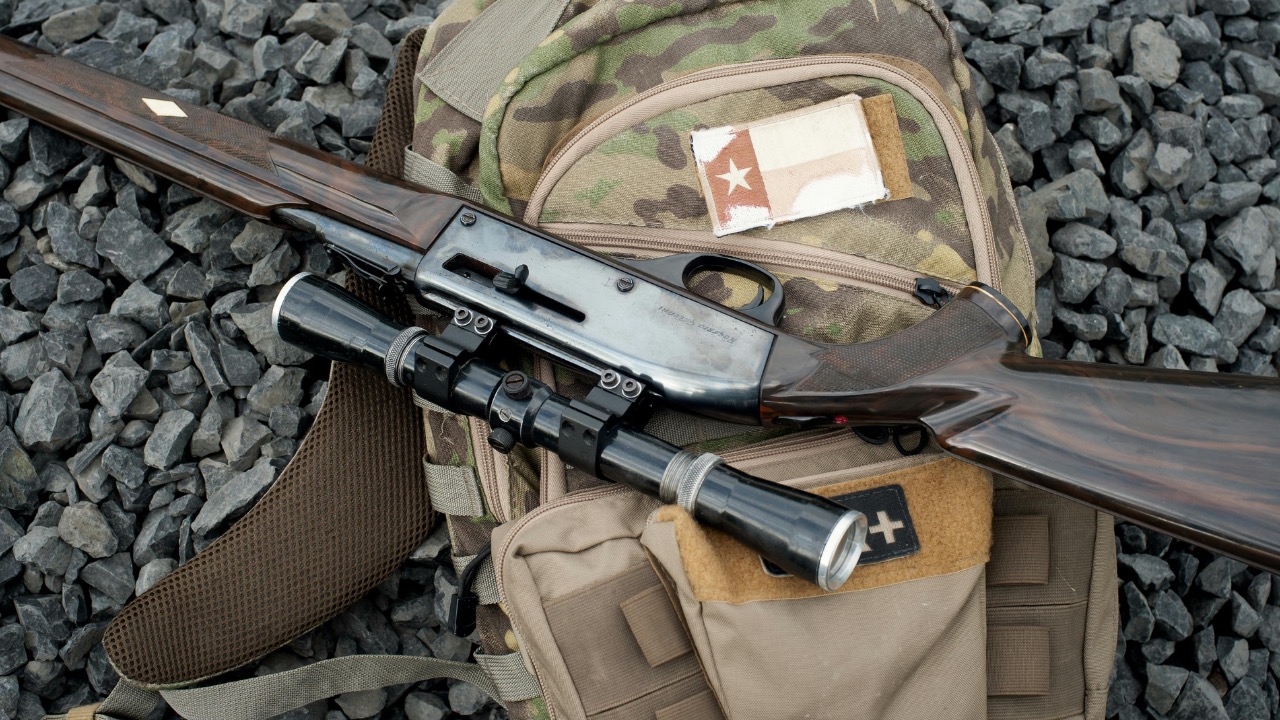
Gun-control groups argue hunting rifles are not protected by the Second Amendment
The fight over the Second Amendment keeps evolving in courtrooms across the country. Right now, a handful of prominent gun-control organizations have stepped into a high-stakes federal lawsuit challenging parts of the National Firearms Act. In their filing, they lay out a pointed view: the Constitution shields only those firearms commonly kept and used for self-defense. Weapons geared more toward military-style applications or other lawful activities like hunting fall outside that shield, they contend. This position lands at a moment when many Americans own rifles primarily for sport or food on the table, and it forces a closer look at how courts draw lines around protected arms. You have probably heard plenty of public assurances that hunting guns would remain untouched. This brief suggests the legal ground may be shifting faster than the rhetoric.
A supplemental brief filed in an NFA challenge
Major gun-control groups filed a supplemental brief in the ongoing case that pits the Firearms Policy Coalition, the National Rifle Association, the American Suppressor Association, and the Second Amendment Foundation against the Bureau of Alcohol, Tobacco, Firearms and Explosives and the Department of Justice. Everytown for Gun Safety, the Brady Center to Prevent Gun Violence, and the Giffords Law Center to Prevent Gun Violence joined forces with officials from Baltimore, Columbus, and Harris County. Their filing argues that the Second Amendment covers arms only when they appear in common use specifically for self-defense. Rifles built or commonly employed for other purposes, including hunting, do not qualify for the same level of protection. The brief draws directly from language in landmark Supreme Court decisions to support this narrower reading.
This move comes as plaintiffs push to strike down registration and taxation requirements for certain items regulated under the National Firearms Act. The gun-control side wants courts to keep those restrictions intact by limiting the scope of constitutional coverage. Their argument hinges on separating self-defense uses from everything else. You can see how this framing tries to cabin the right without touching handguns that courts have already placed at the core of the Amendment.
The narrow reading of common use
Gun-control advocates in the brief insist that “common use” must be measured against actual self-defense incidents rather than overall ownership numbers or recreational popularity. They point out that millions of rifles sit in closets or gun safes for hunting season, yet those numbers alone do not bring the firearms inside the Second Amendment’s protection. Only weapons that people choose and use when facing an immediate threat count, according to this view. The filing cites data showing that handguns dominate self-defense scenarios while longer rifles appear far less often in those moments.
This interpretation treats hunting rifles as constitutionally peripheral. It suggests regulators can impose stricter rules on them without triggering the same scrutiny applied to handguns carried for personal protection. Courts have not settled every detail yet, but the brief urges judges to keep the focus tight on self-defense as the Amendment’s central purpose.
How the Heller decision gets interpreted here
In 2008 the Supreme Court in District of Columbia v. Heller recognized an individual right to keep and bear arms. The opinion stressed that the right is not unlimited and highlighted handguns as the quintessential self-defense tool. Gun-control groups in the recent brief lean hard on that emphasis. They read Heller as signaling that lawful purposes center on confronting threats to life and safety. Phrases like “such as self-defense” become, in their telling, a limiting principle rather than an illustrative example.
They argue the decision never extended the same robust protection to rifles kept mainly for sport or subsistence hunting. By narrowing the lens this way, the brief tries to carve out space for lawmakers to regulate those rifles more freely. You might recall that Heller left many questions open, and this filing represents one side’s effort to fill in the blanks with a self-defense-only framework.
The Bruen ruling and its historical test
Two years after Heller, New York State Rifle & Pistol Association v. Bruen told courts to examine whether modern gun regulations have a historical analogue from the founding era or Reconstruction period. The gun-control brief uses Bruen to reinforce its point about common use. It claims that the historical record shows arms were protected when tied to personal defense or militia service, not when used primarily for recreation. Hunting rifles, in this telling, lack the kind of deep historical tradition of unregulated civilian possession for non-defense purposes that would block regulation today.
The filing acknowledges that people have hunted with firearms for centuries, but it separates that tradition from the constitutional right itself. This approach lets regulators draw distinctions based on the primary purpose of the weapon. The result is a legal map that treats hunting arms as more open to oversight.
Past public messages versus the court filing
For years gun-control organizations have told hunters that their rifles were safe from the kinds of restrictions aimed at handguns or military-style semiautomatics. Public statements often drew bright lines between sporting arms and weapons of war. The supplemental brief takes a different tone inside the courtroom. It explicitly questions whether rifles commonly chosen for hunting deserve Second Amendment shelter at all.
This contrast has drawn sharp notice from gun-rights writers and commentators. They see it as evidence that earlier reassurances were tactical rather than principled. The brief does not call for immediate bans on hunting rifles, but its logic opens the door to future limits without constitutional pushback. You can understand why many hunters feel unsettled by the shift in emphasis once the argument moves from press releases to legal documents.
Reactions from gun-rights organizations
Plaintiffs and their allies in the NFA lawsuit have pushed back hard against the brief. They accuse the gun-control side of cherry-picking language from Heller and Bruen while ignoring broader references to “lawful purposes.” Groups like the Second Amendment Foundation and Firearms Policy Coalition argue that the Amendment protects arms in common civilian use regardless of whether the owner’s primary reason is hunting, target shooting, or home defense. They point to historical evidence that early Americans kept long guns for all those reasons without drawing the distinctions now proposed.
Legal observers expect the Fifth Circuit or higher courts to weigh these competing readings soon. The outcome could reshape how regulators treat entire categories of rifles that millions of Americans use each fall. The debate stays grounded in the text of the Constitution and the facts of how people actually own and use firearms.
What the filing means for everyday gun owners
If courts accept the brief’s framework, states and cities could pass targeted rules on rifles without worrying as much about Second Amendment challenges. Hunting seasons would continue, but ownership and transfer rules might tighten in ways that feel burdensome to people who rely on those rifles year after year. The brief itself stops short of calling for new bans, yet its logic supplies ammunition for lawmakers who want to treat hunting rifles differently from handguns.
At the same time, the filing highlights how much the legal conversation has moved since the early days of modern gun control. You see the tension between public messaging meant to calm rural voters and courtroom arguments aimed at winning specific cases. The next round of rulings will test whether this narrower view of the right holds up or whether judges will keep the constitutional umbrella broader. Either way, the conversation about what the Second Amendment actually covers shows no sign of slowing down.

Asher was raised in the woods and on the water, and it shows. He’s logged more hours behind a rifle and under a heavy pack than most men twice his age.