The overlooked reason many hunts fail before they begin
You’ve done everything right. The gear is packed. The tags are in your pocket. The weather forecast looks perfect. You wake up hours before dawn, drive to your spot, and step into the woods full of confidence.
Then the morning unfolds — and nothing happens.
No deer. No elk. No birds flushing. Just quiet woods and a long, empty walk back to the truck. Another hunt that felt like it was over before it really started.
For many hunters, especially newer ones, these frustrating days pile up. They blame the weather, the moon phase, or “bad luck.” But often the real problem started long before they ever left the truck.
The silent killer of hunting success
Scouting isn’t glamorous. It doesn’t come with the rush of a shot or the weight of a heavy pack on the way out. Because of that, it’s easy to skip or rush through.
Yet time after time, the hunters who consistently fill tags are the ones who spend more days glassing, walking, and observing than they do actually hunting.
A hunter who shows up cold on opening morning is basically rolling the dice. A hunter who has already spent time in the area knows where the animals are moving, where they bed, where they feed, and — most importantly — where they feel safe.
That knowledge turns a hopeful walk in the woods into a calculated approach.
Real-world examples from the field
Take a whitetail hunter in Texas who spent two full weekends before the season driving rural roads and glassing from high points at dawn and dusk. He marked every trail, every rub line, and every spot where does were feeding heavily. On opening morning he slipped into a spot he had already patterned and arrowed a solid 8-point at 18 yards.
Compare that to his buddy who hunted the same lease but skipped the pre-season work. He sat in random stands and saw nothing but squirrels for three straight weekends.
The difference wasn’t skill with a bow or rifle. It was time spent on the ground before the season ever opened.
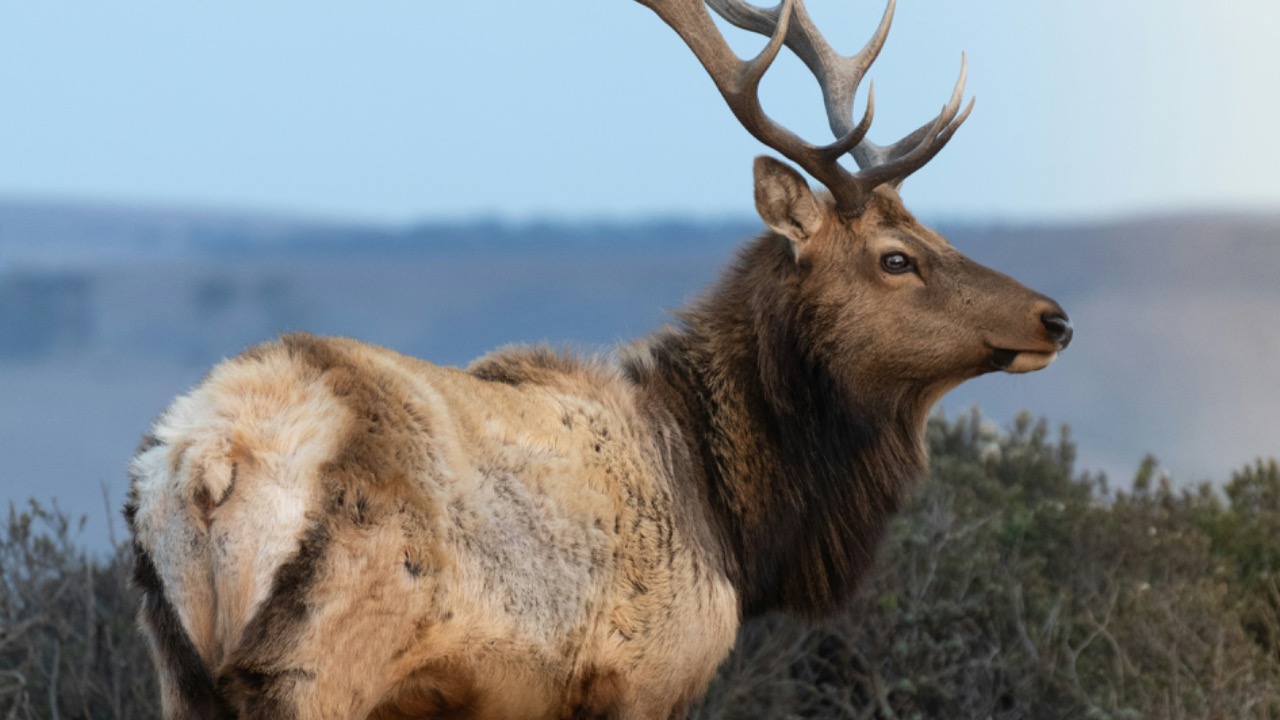
The same pattern shows up in elk country. Hunters who backpack in during the summer and early fall to locate wallows, fresh rubs, and bugling bulls have a massive advantage over those who drive up the night before rifle season and hope for the best.
One Colorado hunter told of watching a bachelor group of bulls for three straight evenings in September. When the season opened he knew exactly which drainage they were using and where the biggest bull liked to bed. He was in position well before first light and filled his tag on day one.
What good scouting actually looks like
Good scouting goes far beyond driving around and hoping to see animals. It means being deliberate:
- Glassing the same areas at dawn and dusk to pattern daily movements
- Finding fresh sign — rubs, scrapes, tracks, droppings — and noting how new it is
- Identifying bedding areas, feeding zones, and travel corridors
- Noting wind directions and how terrain funnels movement
- Understanding pressure points — where other hunters are likely to push animals
In public land or heavily pressured private leases, this kind of work becomes even more critical. Animals that feel hunted shift their patterns quickly. The hunter who has already mapped those changes has the upper hand.
Common scouting mistakes that cost hunts
Many hunters fail at scouting because they treat it like a checklist instead of real detective work. They drive the same roads everyone else uses. They only look during midday when animals are bedded. They ignore small details like which way the wind was blowing when they found fresh tracks.
Some wait until the week before the season and expect to find everything they need in a couple of hurried trips. By then, the best spots are often already pressured or the animals have shifted because of changing food sources.
The most overlooked mistake? Not scouting your exit routes as carefully as your approach. Many hunts die quietly when a hunter bumps deer on the way back to the truck after a fruitless sit.
Turning scouting into success
The best hunters treat scouting as the foundation of every trip. They start months ahead when possible — summer trail cameras on private land, summer glassing trips for elk and mule deer, spring turkey scouting for fall patterns.
They take notes. They mark waypoints. They build a mental map of the land that goes far deeper than any app can show.
Most importantly, they stay flexible. What looked perfect in August may change completely by November once acorns drop or crops are harvested. Good scouts keep checking right up until the hunt.
If your last few seasons have felt like a series of near-misses and quiet mornings, take a hard look at how much time you’re really investing before opening day.
The woods don’t owe anyone a shot. But they do reward the hunter who shows up prepared — the one who already knows the ground, the wind, and the likely movement of the animals long before the season begins.
That preparation doesn’t guarantee success every time. But it dramatically cuts down on the number of hunts that are dead before they even start.

Leo’s been tracking game and tuning gear since he could stand upright. He’s sharp, driven, and knows how to keep things running when conditions turn.