‘Say what now?’ Red-state lawmaker’s call to overturn 14th Amendment triggers constitutional alarm
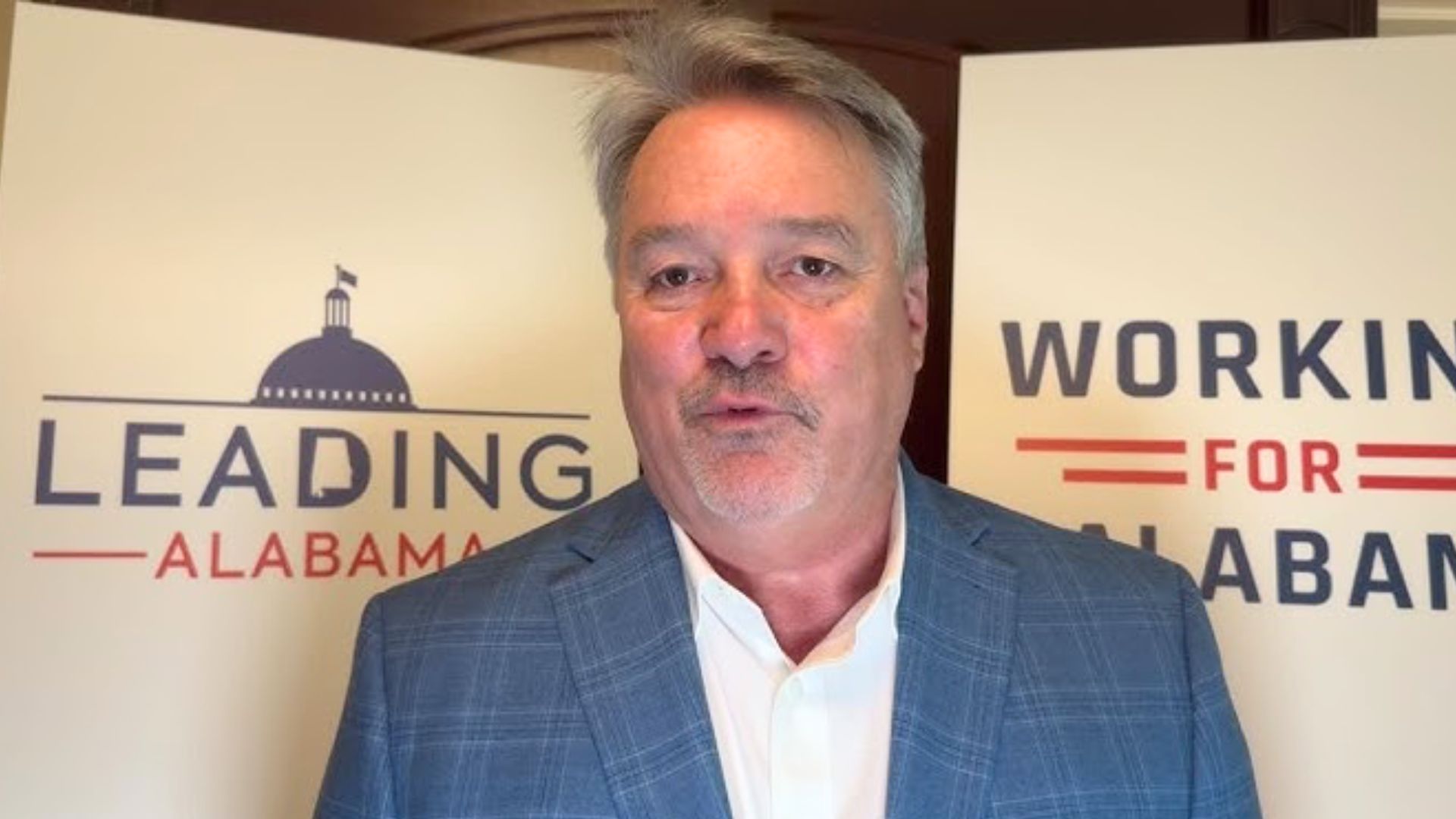
When a high-ranking elected official in Alabama floats the idea of the Supreme Court tossing out the Fourteenth Amendment, it lands like a thunderclap in the middle of a quiet afternoon. Nathaniel Ledbetter, the Republican speaker of the Alabama House, made the remark at the close of a special legislative session focused on congressional maps. You sit there reading the transcript and wonder how someone charged with upholding the law could suggest something so fundamental might just vanish. The comment came as his chamber pushed a plan to redraw districts in ways that would shrink the influence of Black voters in a state still grappling with its history of racial gerrymandering. Legal observers immediately flagged the moment as more than a verbal misstep. It exposed raw tensions over voting power that trace straight back to the amendment itself.
A speaker’s remark that stopped conversations cold
Nathaniel Ledbetter spoke plainly to reporters after the session wrapped. He expressed hope that the high court would step in and “overturn Amendment 14,” framing it as the missing piece that would let Alabama revisit its election maps without current court restraints. The statement came amid efforts to adopt a congressional plan that drops a district where Black voters hold meaningful sway. You catch yourself rereading the quote because it feels so at odds with basic constitutional reality. Colleagues and critics alike pointed out that the speaker repeated the phrasing more than once. Even his own office later called it a misstatement, yet the video evidence lingered online. The exchange turned a routine redistricting update into a national flashpoint almost overnight.
What the Fourteenth Amendment actually secures
Ratified in 1868, the Fourteenth Amendment rewrote the rules after the Civil War to guarantee citizenship for everyone born on U.S. soil and to bar states from denying equal protection or due process. Section One remains the bedrock for countless civil-rights cases that shape daily life across the country. When you think about fair trials, marriage equality, or protection against discriminatory laws, this amendment supplies the legal muscle. It also underpins arguments against racial vote dilution in places like Alabama. Ledbetter’s comment did not engage those details. Instead it treated the whole provision as an obstacle standing in the way of the map his party preferred. That framing caught many off guard precisely because the amendment’s promises apply to every citizen, including those who disagree with the speaker.
Redistricting fights that keep returning to court
Alabama lawmakers gathered in special session to advance a congressional map they call the Livingston plan. Federal courts had earlier ordered the state to create an additional district where Black voters could elect their preferred candidate, citing violations of the Voting Rights Act and equal-protection guarantees. The new proposal would roll back those gains, reducing one competitive seat to a level where Black voting-age population falls well below a majority. You watch the back-and-forth and see the same pattern that has played out since the 2023 Supreme Court ruling in Allen v. Milligan. State leaders insist they are simply following neutral criteria. Voting-rights groups counter that the changes deliberately weaken minority voices. The speaker’s aside about the Fourteenth Amendment poured fuel on an already heated debate.
Why the Supreme Court lacks power to erase an amendment
Constitutional amendments cannot be overturned by judicial fiat. Only another amendment, ratified by three-fourths of the states, can repeal one. That process has happened exactly once in American history, when the Twenty-first Amendment ended Prohibition. You already know this from high-school civics, yet Ledbetter’s words suggested the court might somehow wave a wand and make the Fourteenth disappear. Legal scholars quickly reminded everyone that justices interpret the document; they do not rewrite it. The speaker’s hope therefore reads less like a realistic legal strategy and more like frustration with how courts have applied equal-protection rules to redistricting. Still, the remark forced commentators to restate the obvious limits on judicial power.
Immediate pushback from civil-rights voices
The NAACP Legal Defense Fund fired back on social media, reminding the speaker that the same amendment he wanted discarded protects equal rights for all citizens, himself included. Pulitzer Prize-winning Alabama journalist Kyle Whitmire captured the national mood with a simple “Say what now?” Former U.S. Attorney Joyce Vance noted the irony: the very legislature once found to have drawn maps with intentional racial discrimination was now hoping to sidestep the amendment that forbids it. You scroll through the replies and see a steady stream of lawyers, historians, and everyday citizens expressing disbelief. Their responses underscored how rare it is for a state leader to question the amendment that ended second-class citizenship for millions after emancipation.
The deeper stakes for representation in Congress
If Alabama’s preferred map takes hold, the state’s lone majority-Black congressional district would lose ground, shifting the balance of power in the House delegation. Representative Shomari Figures currently holds the seat that advocates fought to preserve. You consider what that shift means for a state where Black residents make up more than a quarter of the population yet have struggled for proportional voice since Reconstruction. The Fourteenth Amendment’s equal-protection clause has been the primary tool courts use to police such imbalances. When a top lawmaker voices hope that the clause itself could vanish, it raises questions about whether future map-drawing will prioritize partisan advantage over fair representation. The conversation quickly moved beyond one press conference to larger worries about democratic accountability.
Ties that reach back to Reconstruction
After the Civil War, Congress crafted the Fourteenth Amendment to prevent Southern states from denying basic rights to freed Black citizens. It overrode the Dred Scott decision and embedded citizenship and equality into the Constitution itself. You trace the lineage and realize how directly those post-war protections still govern modern voting fights. Alabama’s current redistricting battle echoes the very struggles that prompted the amendment 158 years ago. Ledbetter’s comment, whether intended or not, reopened old wounds by appearing to treat those hard-won guarantees as negotiable. Historians watching the exchange saw a reminder that constitutional norms remain fragile when political incentives pull in the opposite direction.
What the moment says about trust in institutions
When an elected leader casually suggests discarding a foundational amendment, it tests public confidence in the rules that hold the system together. You notice how quickly the story spread because it touched a nerve many Americans feel when they watch voting maps get redrawn year after year. The clarification from Ledbetter’s office tried to walk the statement back toward court interpretation rather than outright repeal. Yet the original words had already done their work, prompting fresh examinations of how far some officials might go to preserve partisan edges. The episode leaves you weighing whether such rhetoric reflects isolated frustration or signals wider willingness to challenge settled constitutional ground. Either way, it keeps the spotlight on Alabama’s maps and the amendment that guards them.

Asher was raised in the woods and on the water, and it shows. He’s logged more hours behind a rifle and under a heavy pack than most men twice his age.