‘The president wants to send our young men and women to war without coming before Congress’: Connecticut Democrat John Larson files impeachment articles against Trump
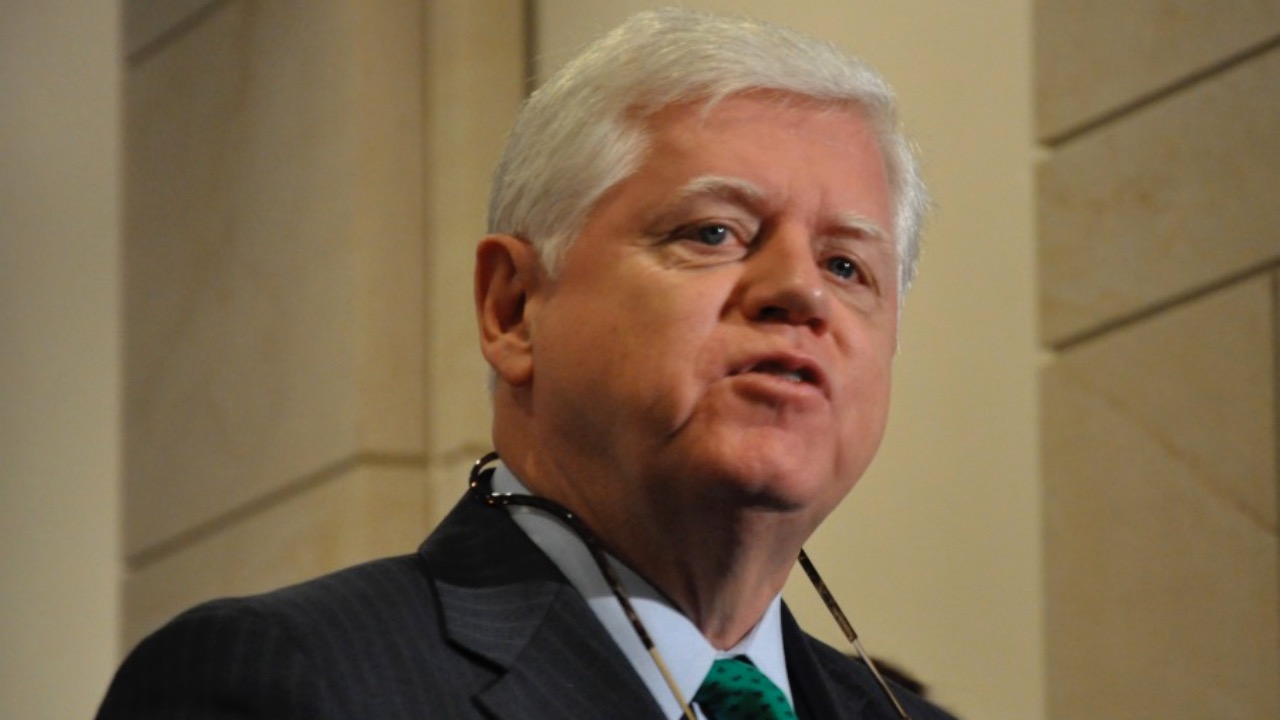
You have watched enough Washington dramas unfold to recognize when a lawmaker draws a line in the sand. Connecticut Democrat John Larson, a veteran of the House, introduced articles of impeachment against President Donald Trump in early April 2026. The resolution centers on claims that the administration launched military actions without first seeking approval from Congress. Larson argues these steps put American service members at unnecessary risk and sidestepped the Constitution’s clear division of powers. His filing arrives as tensions in the Middle East remain high and questions swirl about how far any president can go on matters of war.
The move echoes long-standing debates over executive authority, yet it carries fresh urgency given recent threats involving Iran. You see Larson positioning the effort as a defense of institutional boundaries rather than a partisan stunt. He wants the public and his colleagues to confront the pattern he describes: decisions made in haste that bypass the legislative branch entirely.
What Prompted Larson to Act Now
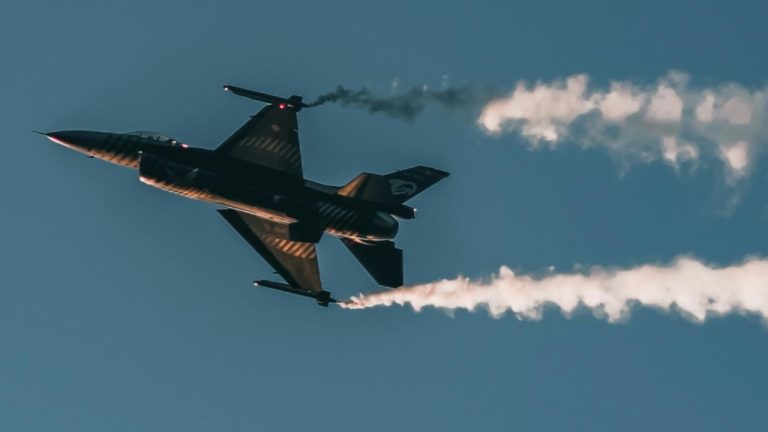
Larson filed the resolution on April 6 after President Trump issued sharp public warnings tied to the Strait of Hormuz. The president demanded the waterway reopen or face consequences that included wiping out an entire civilization. Those statements, combined with ongoing U.S. strikes, convinced Larson that the line had been crossed. He viewed the operations as an undeclared war that sent troops into harm’s way without lawmakers weighing in first.
You notice the timing also reflects growing frustration among some Democrats who feel the administration has treated Congress as an afterthought. Larson has served long enough to remember past clashes over similar issues, and he believes silence now would set a dangerous precedent. His office described the president as increasingly erratic, a characterization that fueled the decision to act before matters escalated further.
Details on the War Powers Violation
The lead article in the resolution accuses Trump of usurping Congress’s exclusive power to declare war. It lists unauthorized actions against Iran and several other nations, framing them as belligerent moves taken without legislative consent. Naval blockades and strikes on vessels are cited as examples where the executive branch operated alone.
Larson points out that the Constitution assigns war-making authority to the people’s representatives for a reason. When you examine the text, the framers feared exactly this kind of concentration of power in one person. The congressman argues the current approach endangers young Americans who wear the uniform and leaves families wondering why their loved ones face combat without broader debate.
The Full Scope of the Thirteen Articles
Beyond the war powers claim, the document spreads across thirteen separate counts. They cover everything from domestic use of the National Guard to deportation practices and pardon decisions. Each section builds a case that the president has repeatedly ignored statutory limits and constitutional guardrails.
You can see Larson aiming for a comprehensive record rather than a narrow complaint. The articles do not stop at foreign policy. They address how emergency declarations and funding shifts have also stretched executive reach. The congressman insists these patterns together threaten the balance the founders designed, even if any single charge might seem isolated at first glance.
Trump’s Rhetoric and the Strait of Hormuz
Public statements about annihilating civilizations if the strait stayed closed became a flashpoint. Larson linked those words directly to the impeachment push, saying they revealed a willingness to escalate without restraint. The resulting military pressure on Iran has already produced American casualties and higher fuel prices at home.
When you follow the sequence, the rhetoric preceded concrete operations that lawmakers never approved. The congressman maintains that such language, paired with action, crosses into territory the Constitution reserves for Congress. He wants voters to understand the human cost: service members deployed under orders that never received the required debate on Capitol Hill.
Calling for Cabinet Intervention Through the 25th Amendment
Alongside the impeachment filing, Larson urged Cabinet members to invoke the 25th Amendment. He described the president as unable or unwilling to carry out duties in a way that protects national security and the economy. The dual approach signals that Larson sees immediate risk that cannot wait for the slower impeachment process.
You sense his frustration with a system that often moves too deliberately when lives are on the line. The amendment route would allow the vice president and a majority of the Cabinet to step in temporarily. Larson believes patriotism demands they consider it, especially as military engagements continue without fresh congressional authorization.
The Political Landscape in the House
Republicans hold the majority, so the resolution faces long odds of advancing. It was referred to the Judiciary Committee, where it is expected to stall. Larson knew this outcome when he introduced the measure, yet he proceeded anyway to force a conversation and create a public record.
In conversations with constituents back home, you hear echoes of the same concern: many wonder why Congress has grown so passive on war decisions. The filing keeps pressure on both parties to address the underlying issue, even if the vote never reaches the floor. Larson frames his role as one of documenting the pattern for history and future lawmakers.
Larson’s Record on Holding Power Accountable
The Connecticut representative has spent decades in the House focusing on oversight and fiscal responsibility. His latest effort fits a pattern of challenging executive overreach regardless of who occupies the Oval Office. Colleagues note his persistence on constitutional questions, even when the political winds blow the other way.
You recognize that experience shapes his approach. Larson has watched several administrations test the limits of power, and he believes the current moment requires the same scrutiny applied in the past. The resolution reflects that steady perspective rather than sudden outrage, something his district has come to expect from him over the years.
Looking Ahead to Potential Outcomes
The immediate effect may be limited to raising awareness and prompting debate. Yet the articles create a paper trail that could influence future legal or political fights. Larson continues to build support among Democrats and independents who share his view on war powers.
As you track developments, the larger question lingers: whether Congress will reclaim its role or continue ceding ground. The congressman hopes the filing sparks broader reflection on how the nation decides to send its young men and women into combat. For now, the resolution stands as one lawmaker’s attempt to restore that constitutional conversation before the costs mount higher.

Asher was raised in the woods and on the water, and it shows. He’s logged more hours behind a rifle and under a heavy pack than most men twice his age.