U.S. fighter jet downed — reports say one crew member recovered, another located
A serious development unfolded yesterday when a U.S. fighter jet went down over Iran. You have probably caught the early reports, and they paint a clear picture of a high-stakes incident in an already tense region. An F-15E Strike Eagle, a two-seat aircraft carrying a pilot and a weapons systems officer, was shot down during operations there. One crew member has been pulled to safety by American forces, while teams continue searching for the second. This marks the first confirmed loss of a U.S. combat plane in the current conflict, which has now stretched nearly five weeks. The details come straight from multiple U.S. officials speaking on the record and on background, and they line up across outlets.
You can see why this one feels different. Rescue efforts kicked off immediately, involving helicopters and other support aircraft, but they faced real risks. The whole episode highlights how quickly things can shift when aircraft operate near or over hostile territory. Here is what stands out so far, broken down so you can follow along without the usual noise.
The moment the fighter jet went down
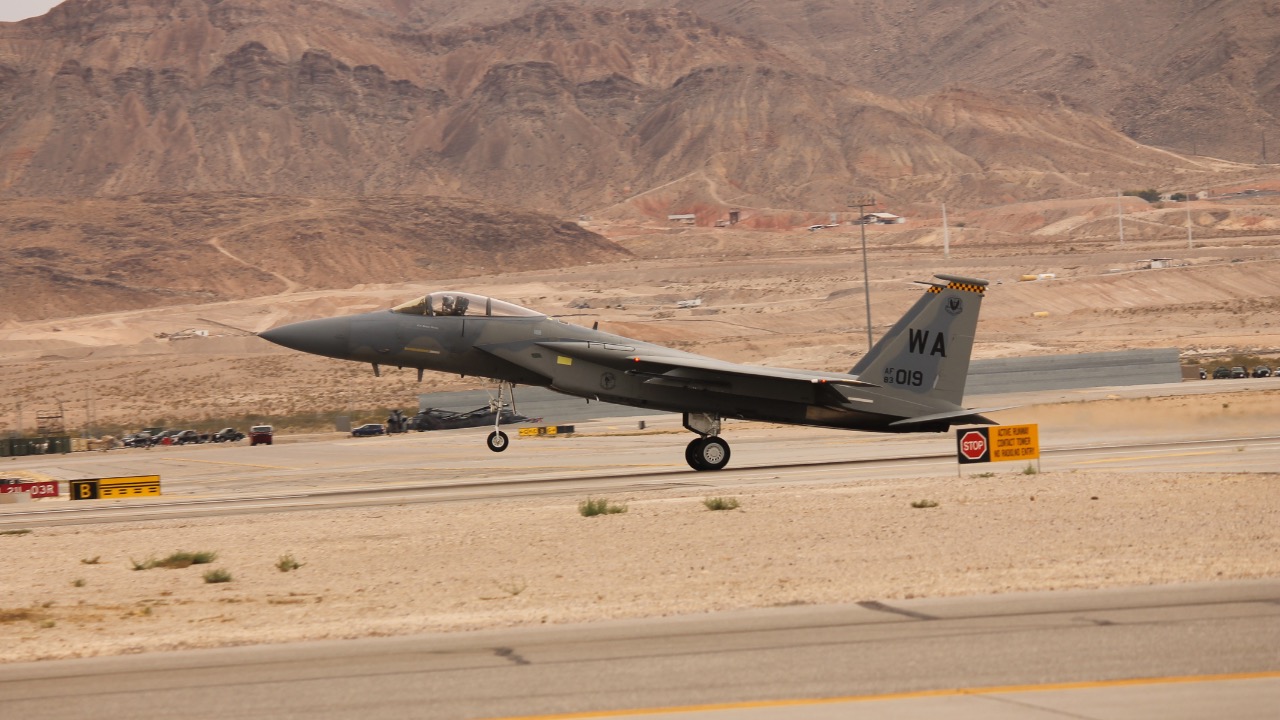
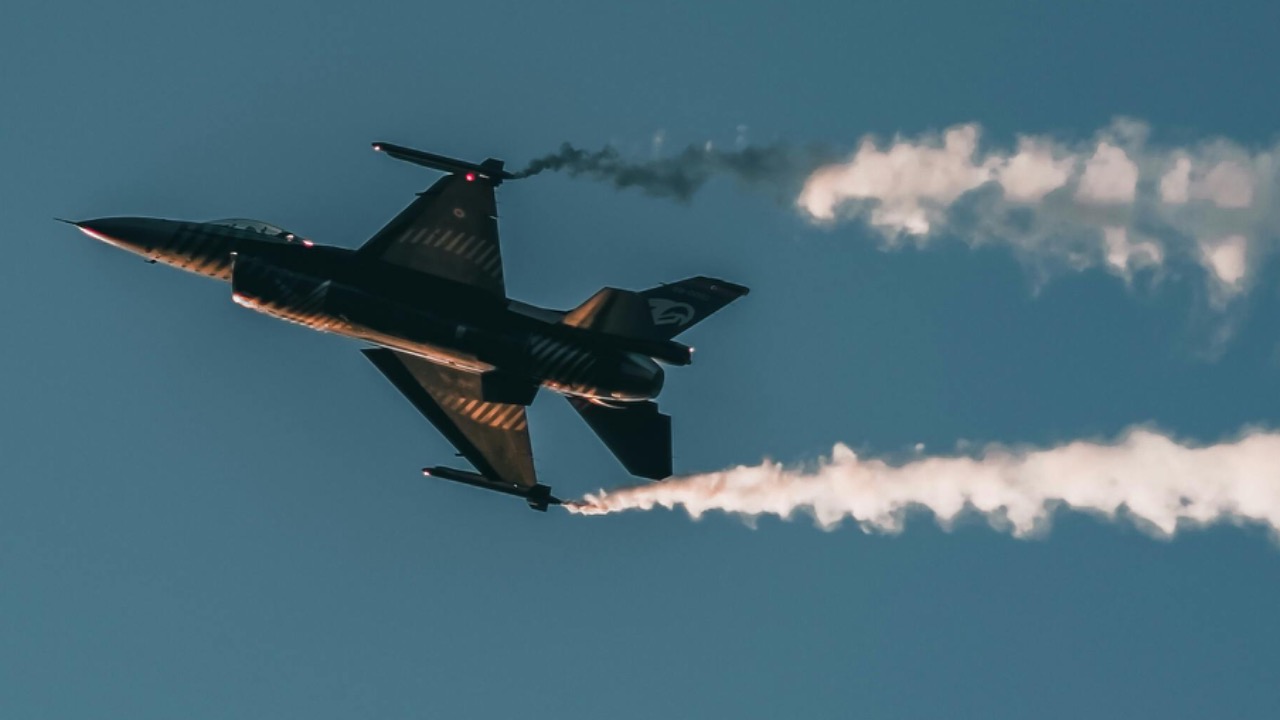
You are looking at an F-15E that took fire while flying over Iranian airspace on Friday. Officials confirm it was brought down in the western or southern part of the country, though exact coordinates remain limited for operational reasons. Both crew members ejected safely from the aircraft. That much is clear from the initial accounts shared by U.S. sources. The jet itself is a workhorse designed for precision strikes and air superiority, but no plane is immune when ground defenses lock on.
The timing matters. This happened amid broader military activity in the region, and the loss represents a tangible escalation. You can picture the split-second decisions the crew faced once the aircraft was hit. Ejection is never routine, yet both made it out. That alone counts as a small mercy in a dangerous environment.
Recovering one of the crew members
American forces moved fast once they knew the jet was down. They located and extracted one crew member alive near the crash site. Reports describe a coordinated effort that brought the service member back to safety without further incident. U.S. officials have confirmed the rescue took place, though they have not yet released names or specific roles for privacy and security.
You hear these stories and realize how much training and planning go into these moments. The team on the ground or in the air had to operate under pressure, and they succeeded in bringing one person home. It is the kind of outcome everyone hopes for when things go wrong, even if the bigger picture stays complicated.
The ongoing hunt for the second aviator
The search for the second crew member continues as of today. Teams are still active inside Iranian territory, working against the clock and the terrain. Officials describe the area as challenging, and they have not provided updates on the missing aviator’s status beyond saying the effort remains underway. Communication has been deliberately cautious to protect the operation.
You can sense the weight of that uncertainty from here. Families, fellow service members, and the public are all waiting for clearer news. The fact that one person is already safe offers some relief, but the focus now stays on locating the other. Conditions on the ground add layers of difficulty that you would expect in any contested airspace.
The rescue operation and what happened to the support plane
During the search-and-rescue mission, an A-10 Warthog took fire and sustained damage. Its pilot ejected over the Persian Gulf and was recovered successfully by U.S. forces. That second aircraft was part of the support package helping locate the downed F-15E crew. The incident shows how even the rescue phase carried immediate risks from hostile fire.
You see the chain of events and understand why these missions demand so many moving parts. Helicopters, fixed-wing support, and quick-reaction teams all played roles. The Warthog pilot’s safe recovery adds another positive note to an otherwise tense day, but it also underscores the hazards everyone involved faced.
Background on why this is happening now
The larger context involves a conflict between the United States and Iran that began roughly five weeks ago. Tensions had been building for some time, and military operations in the region intensified. The F-15E was operating in support of those efforts when it was engaged. This marks the first acknowledged combat loss of a U.S. fixed-wing aircraft in the current fighting.
You follow international news long enough to know these flashpoints rarely appear out of nowhere. Regional dynamics, including control of key waterways and ongoing disputes, have kept the situation volatile. The jet’s downing fits into that pattern, even if the specific trigger for the engagement stays under review.
How U.S. leaders are responding
President Trump received a briefing on the incident shortly after it occurred. Senior military officials have been coordinating the response, keeping the focus on the rescue while monitoring the broader operational picture. Statements so far emphasize the commitment to bringing all personnel home and the seriousness of the loss.
You can imagine the meetings happening behind closed doors right now. Decisions about next steps will balance immediate personnel recovery with strategic considerations. Public comments have stayed measured, which aligns with how these situations are usually handled at the highest levels.
Iran’s take on the situation
Iranian state media has aired video footage that appears to show U.S. aircraft involved in the search. Some regional officials have publicly offered rewards for information leading to the crew’s capture. The messaging from Tehran frames the event as a defensive success against American operations inside their borders.
You read those reports and notice the contrasting narratives that always emerge in these moments. Iranian accounts highlight their air defenses and urge local civilians to assist. That adds another layer of complexity for the ongoing search teams on the American side.
What you should keep an eye on next
The search for the missing crew member remains the immediate priority, and updates could come at any hour. You will want to watch for any confirmed statements from the Pentagon or White House as more details emerge. The condition of the recovered crew member and any medical updates will matter too.
Beyond that, the incident could influence diplomatic and military calculations in the days ahead. You have seen enough of these stories to know they rarely stay isolated. Stay tuned to reliable reporting, and you will get the clearest sense of where things stand as the hours unfold.

Asher was raised in the woods and on the water, and it shows. He’s logged more hours behind a rifle and under a heavy pack than most men twice his age.