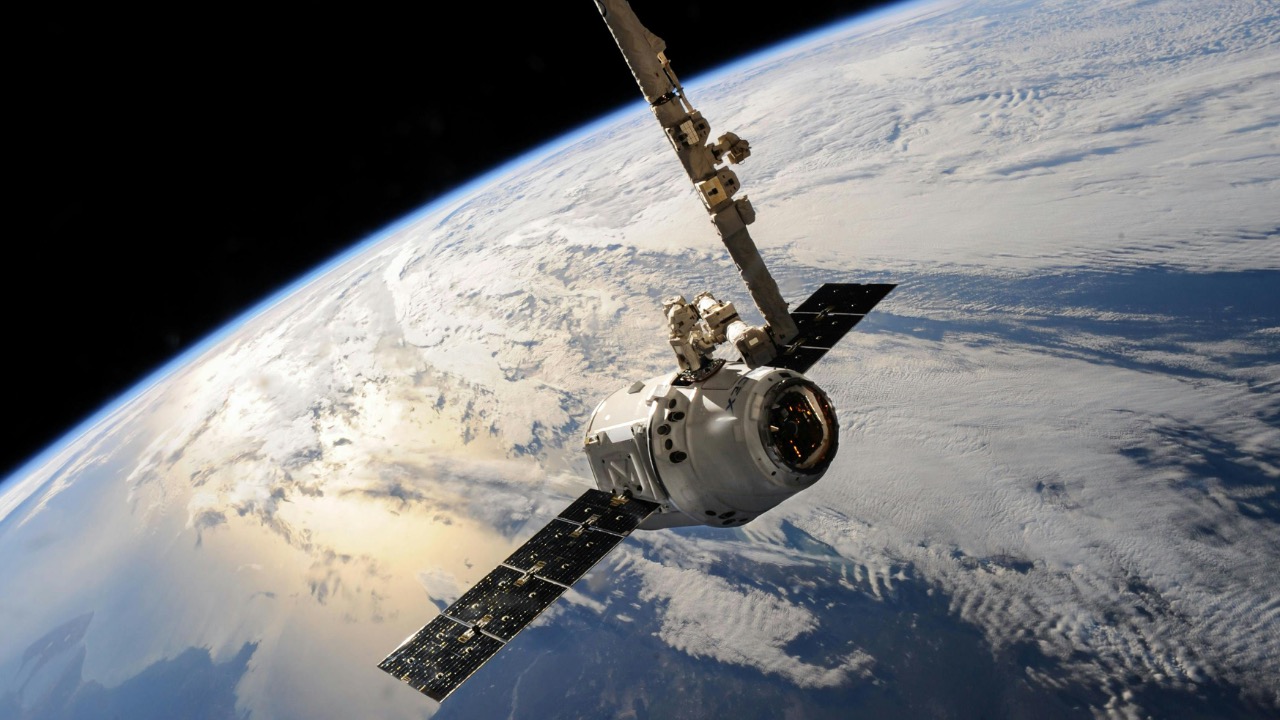
Iran Reportedly Gained Secret Access to Chinese Satellites to Target U.S. Military Bases
New reporting claims Iran used Chinese satellite systems and commercial imagery to improve surveillance of U.S. military positions in the Middle East. The information suggests Tehran gained access through a Chinese-linked satellite deal and ground support services, raising questions about how civilian space tools may be used for military intelligence.
The reports describe Iran collecting detailed images of bases in places like Saudi Arabia, Iraq, and Jordan. That data was allegedly used to plan or support strikes during recent regional tensions. China has not confirmed any military cooperation and has denied providing direct support for attacks.
How the satellite access reportedly worked

According to multiple reports, Iran acquired a Chinese Earth-observation satellite through a commercial arrangement that included access to imaging and ground control services. The system was originally marketed for civilian use like agriculture and disaster monitoring, but could also produce high-resolution intelligence imagery.
Analysts say that kind of data can reveal aircraft movement, base layouts, and operational patterns. Even without direct military control, access to frequent satellite updates can significantly improve targeting awareness and planning for long-range operations.
China’s position and official response
Chinese officials have consistently rejected claims that Beijing is directly assisting military operations against U.S. forces. They argue that commercial space companies operate independently and that China does not provide weapons or battlefield intelligence for attacks.
At the same time, China’s growing private satellite industry has drawn scrutiny. Some firms publish detailed imagery of global military sites, which critics say can still be useful in conflict situations even if it is publicly available or commercially sourced.
Broader implications for global security
The situation highlights how commercial satellite technology is changing modern conflict. More countries now have access to high-resolution imagery that used to be limited to major powers, shifting how intelligence is gathered and used in real time operations.
It also raises concerns about blurred lines between civilian space services and military applications. As satellite access becomes easier and cheaper, governments are struggling to define where commercial data ends and strategic military advantage begins.

Leo’s been tracking game and tuning gear since he could stand upright. He’s sharp, driven, and knows how to keep things running when conditions turn.