
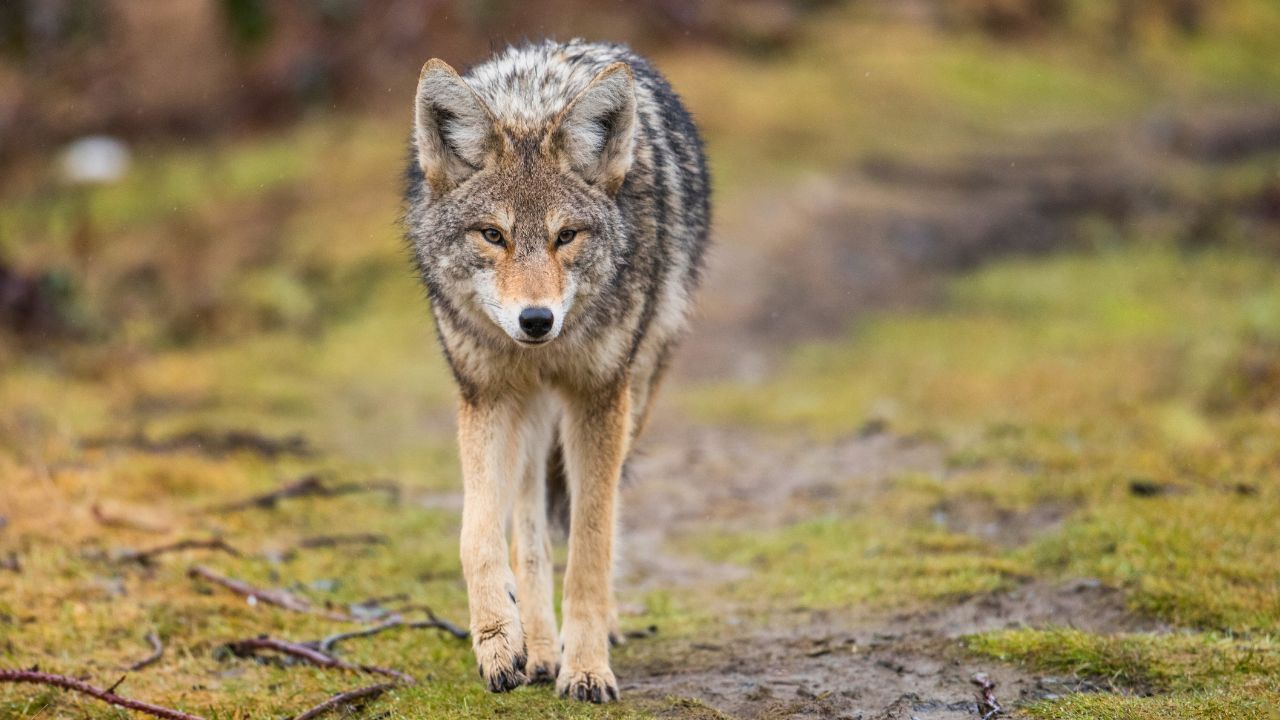
Setup Mistakes That Coyotes Smell a Mile Away
Coyotes survive by trusting their nose. You can fool their ears and sometimes even their eyes, but you won’t fool their nose—not for long.
If your setup leaks scent into the wrong spot, you won’t see them. Doesn’t matter how good your calling sounds or how slick your decoy setup looks. Coyotes smell danger long before they ever step into range.
A sloppy setup teaches them to stay alive. If you’re wondering why they won’t commit, here’s the stuff they’re smelling from a mile away.
Ignoring Wind Direction Completely

The fastest way to blow a setup is ignoring the wind. Coyotes don’t tolerate bad wind—period. If your scent line hits their approach, they’re out before you ever know they were coming.
It’s not enough to hunt with the wind “kind of right.” You need it perfect. Quartering wind, crosswind, or terrain-based wind shifts are the only things that work. Straight-downwind setups are a waste of time and bullets.
Forgetting How Thermals Shift
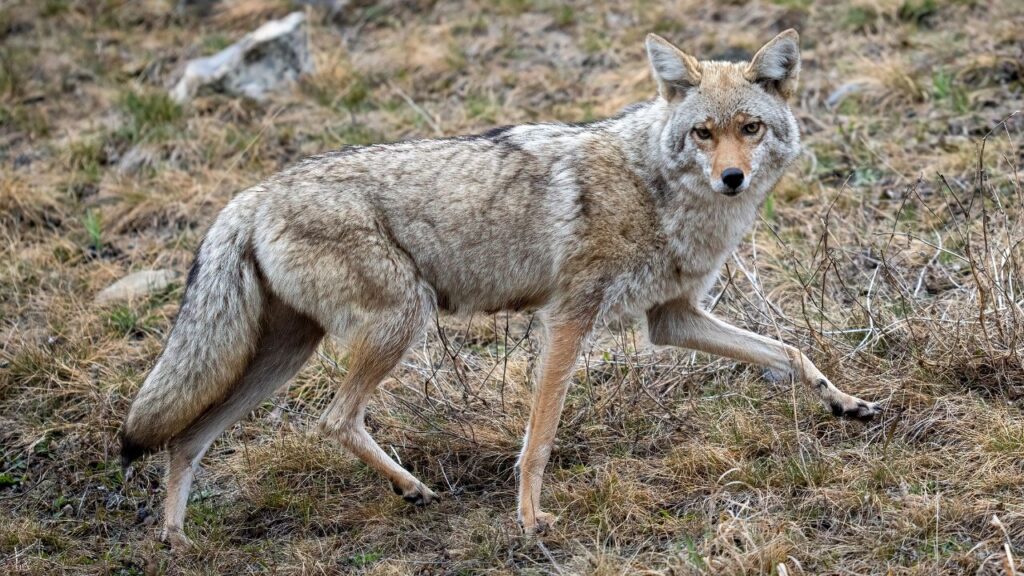
Thermals aren’t just a deer hunting problem. Coyotes catch rising thermals in the morning and falling thermals in the evening the same way. If you set up without factoring in thermals, your scent’s drifting straight to them.
A setup that feels bulletproof at noon starts leaking scent downhill fast when the evening cools off. Coyotes hit that scent cone and ghost out before you ever catch a flash of fur.
Walking Right Across the Area You’re Calling
Nothing ruins a setup faster than walking right across the field, trail, or thicket you plan to pull coyotes from. You left a scent bomb right where they’re coming from.
Coyotes check ground scent constantly. If they cross your boot tracks or catch a whiff of where you stood, they’ll hit the brakes and back out. Smart hunters circle the long way in and stay off coyote trails.
Setting Up Where Your Scent Pools
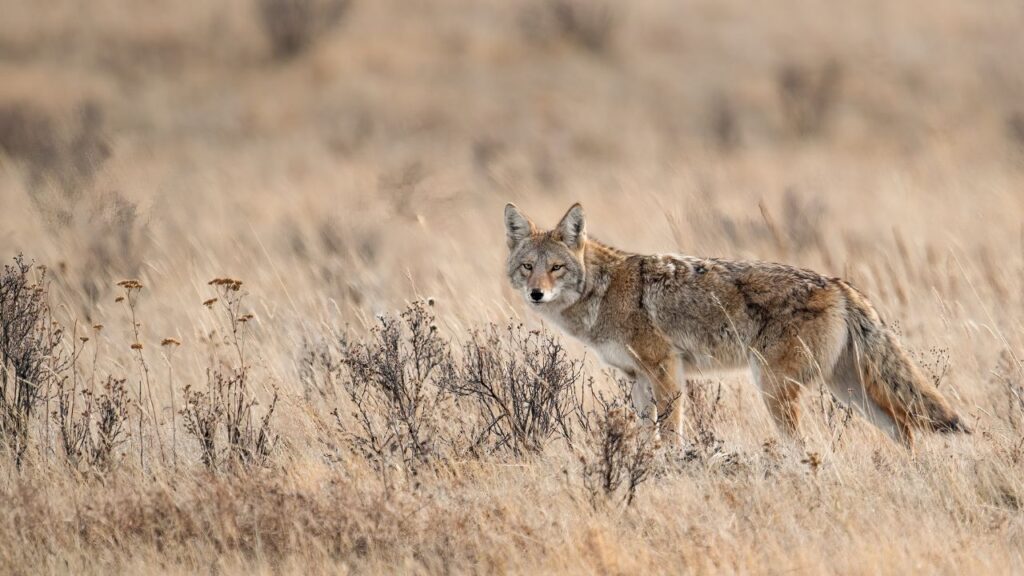
Low spots, bottoms, or pockets with no wind sound good—until you realize your scent pools there like smoke in a dead room. Coyotes smell that from the first sniff of the air.
Hunting in dead air feels sneaky but usually isn’t. You need setups with consistent wind that pulls your scent away from where you expect coyotes to come from. Otherwise, the only thing you’re fooling is yourself.
Parking Too Close
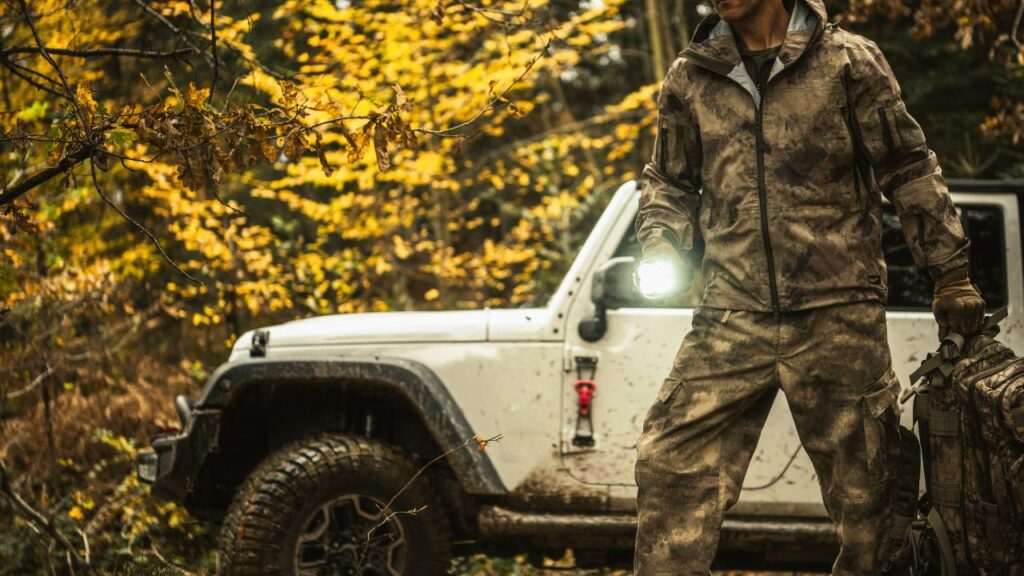
Parking at the edge of the field or trail you plan to hunt leaves a rolling cloud of human scent, gas fumes, and metal smell right in the coyotes’ wheelhouse.
They don’t have to walk anywhere near your truck to smell it. The wind carries it. Coyotes smell the vehicle, associate it with danger, and shift routes before you even unpack your rifle.
Forgetting How Far Scent Travels
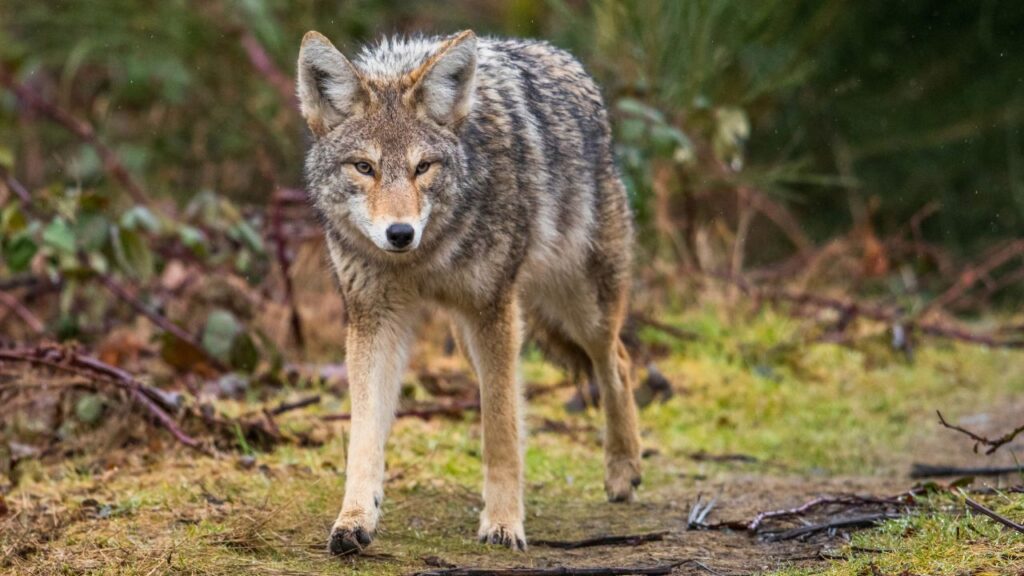
Scent isn’t a bubble around your setup. It’s a long, dragging line carried hundreds of yards downwind. Coyotes aren’t dumb—they check wind constantly as they move in.
If your wind is dragging into bedding, travel routes, or down a fence line where coyotes are expected to pass, it’s game over. Even if the call sounds right, they never commit when the wind’s wrong.
Sitting Upwind of the Decoy or Call
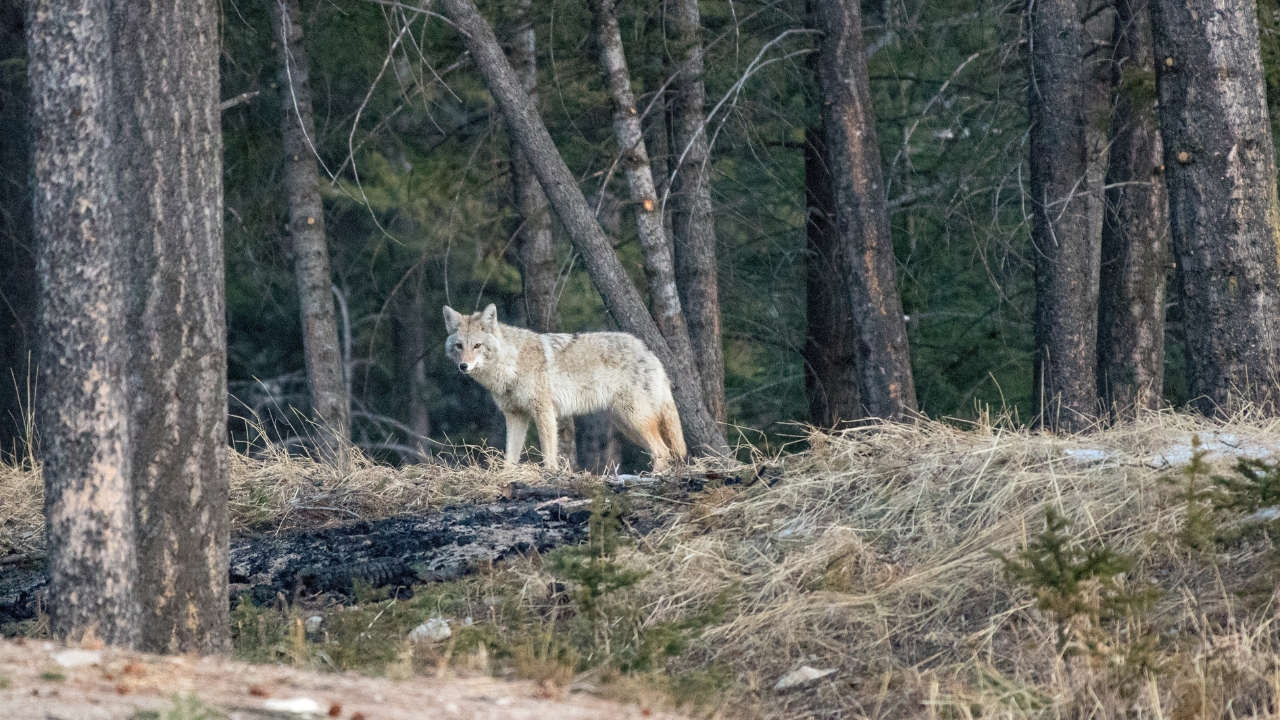
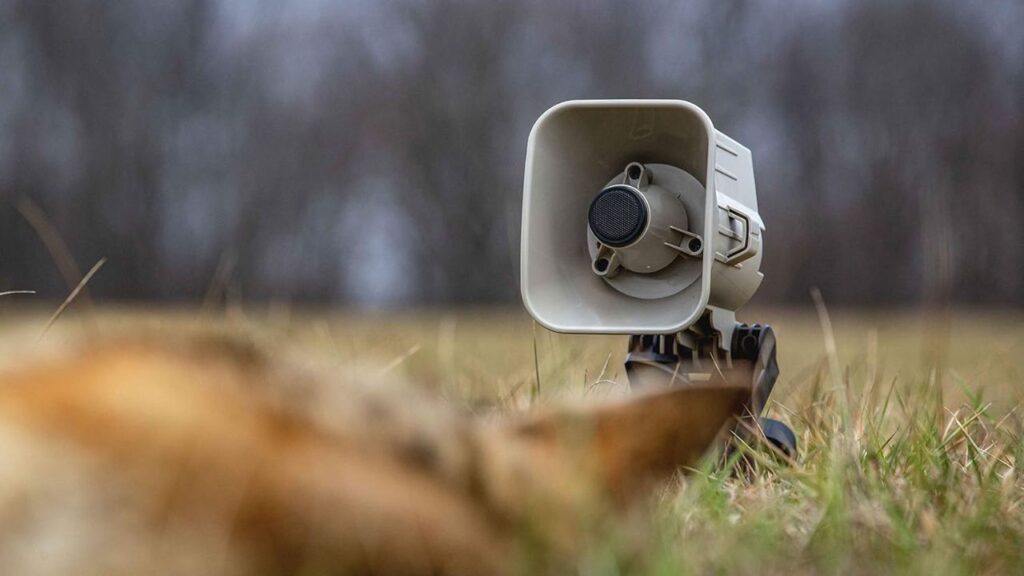
If your e-caller or decoy is downwind of you, guess where the coyotes go? Straight to it—and straight through your scent cone to get there.
It’s a rookie mistake that costs more coyotes than bad shooting. Your caller needs to be crosswind, not straight downwind. Otherwise, every coyote that tries to swing in gets a full nose full of human long before they ever see the decoy.
Ignoring How Cover Holds Scent
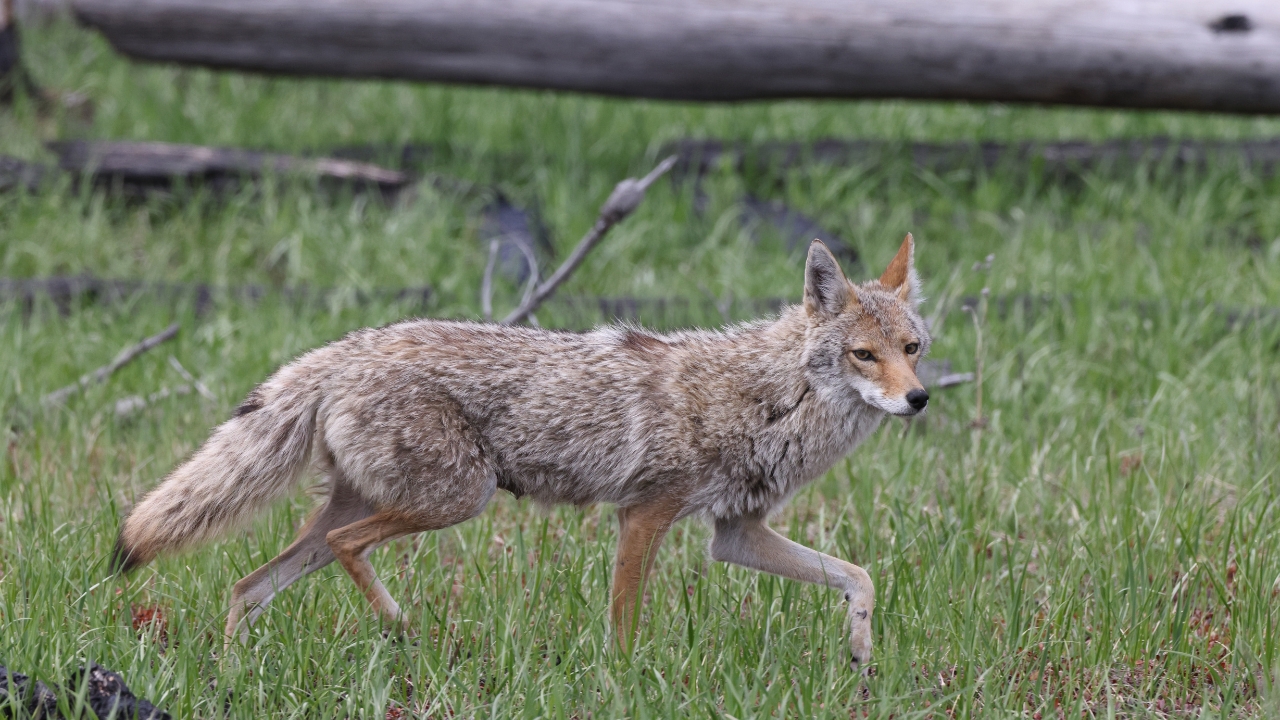
Brush piles, cedar patches, or thick grass don’t block scent—they trap it. Your scent swirls, hangs, and fills those pockets like a cloud waiting for a nose.
If the wind swirls through a thicket near your setup, that’s exactly where coyotes scent-check before they commit. Pick your backdrop with wind flow in mind, not just what looks good for concealment.
Not Adjusting for Shifting Winds

The wind at the truck isn’t always the wind at the setup. Terrain shifts it. Ridges, ditches, and tree lines bend wind in ways that don’t show up until you’re sitting down.
Smart hunters check wind constantly—even while sitting. If it shifts and starts dragging scent toward where they expect coyotes, they pull the plug and move. Sitting it out “hoping it holds” kills hunts fast.
Being Lazy About Scent Control
Coyotes don’t care about gimmicks. Scent sprays, magic ozone tricks—they help, but they don’t replace smart setups. If you roll into the stand wearing gas station boots and a jacket that smells like breakfast, the coyotes know.
The guys who kill consistently keep clothes clean, boots sprayed, and hands wiped down. It’s not magic—it’s the bare minimum. Pair it with the right wind, and it works. Ignore it, and every coyote within 600 yards already knows you’re there.

Leo’s been tracking game and tuning gear since he could stand upright. He’s sharp, driven, and knows how to keep things running when conditions turn.


