The Mistakes That Blow Evening Hunts Every Time
Evening hunts are one of the best chances to catch deer moving in daylight—if you don’t screw it up. But evening hunts get blown faster than any other part of the day. Bad entry. Bad wind. Wrong setup. You name it.
The thing about evenings is deer are already up on their feet staging toward food. They’re alert. They’re tuned in. And if you get sloppy, the hunt’s done before the sun even touches the treetops. Here’s exactly what ruins evening hunts every single time.
Hunting the Wrong Wind for the Food Source

Evening hunts are food-driven. Deer are staging, feeding, or working their way to groceries. If your wind drifts anywhere near where they’re headed, they’ll never show.
A lot of hunters pick stands based on comfort or habit instead of wind. The second your scent funnels toward a trail, a staging area, or the edge of a field, you’re done. You won’t see tails—you’ll see nothing at all.
Walking Through the Food Source to Get There

Nothing blows an evening hunt faster than stomping across the very field or plot you expect deer to walk into. You’re announcing yourself before the hunt even starts.
Access matters. Evening setups need entry routes that loop around bedding and never cross the destination area. If the deer step out and smell your boot track or saw you cross earlier, the whole field goes dead.
Getting in Too Late

Sliding into a stand 45 minutes before sunset isn’t enough for an evening hunt. By then, deer are already up, staging, or filtering toward food. You bump them without even knowing it.
The best evening hunters are set up two to three hours before prime time. Early movement, especially from mature deer, often happens well before sunset. Get in late, and the hunt’s already over.
Being Too Close to Bedding in the Evening

Evenings aren’t the time to push bedding. Deer are already up and filtering toward food. Creep in too close to bedding late in the day, and you risk bumping them before you ever get settled.
The play for evening hunts is staging areas—edges, corners, or travel corridors leading to food. Push too tight trying to catch them leaving, and you’ll hear them blow out before you ever see them.
Ignoring Thermals Dropping in the Last Hour

As the sun drops, thermals start falling. Your scent goes from drifting on the wind to sinking downhill into bottoms, trails, and staging areas. Ignore that, and you’re leaking scent right where deer expect safety.
A perfect wind at 4:30 turns into a busted setup at 6:45. If you don’t factor in how thermals fall in the last hour of light, you’ll bust more deer than you ever see.
Hunting Obvious Spots Everyone Else Hunts

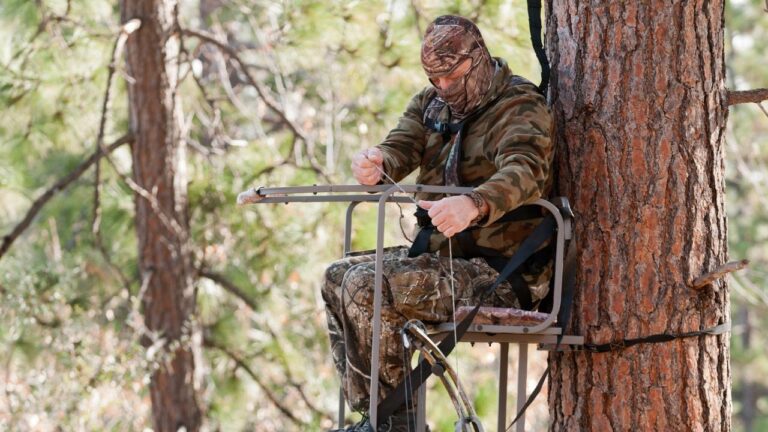
The field corner with a perfect shooting lane looks good until you realize every guy with a ladder stand has been hunting it for years. Deer figure those spots out fast.
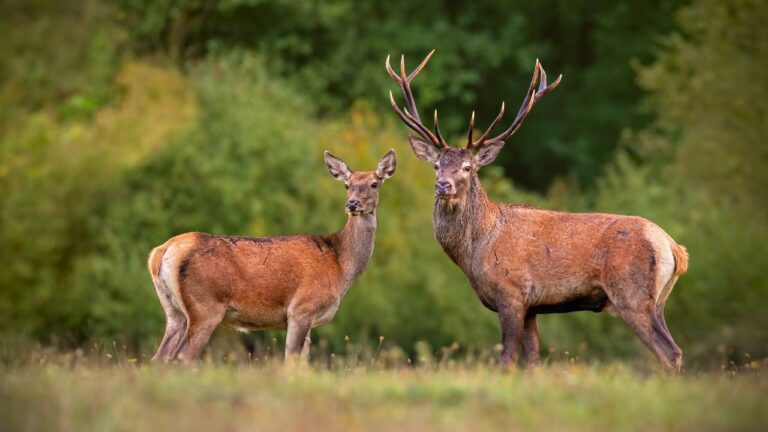
Mature bucks, and even wary does, shift movement off the obvious. They stage 50 to 100 yards back, waiting for dark. If you’re hunting pressure spots without adjusting, you’re watching empty trails all evening.
Calling at the Wrong Time
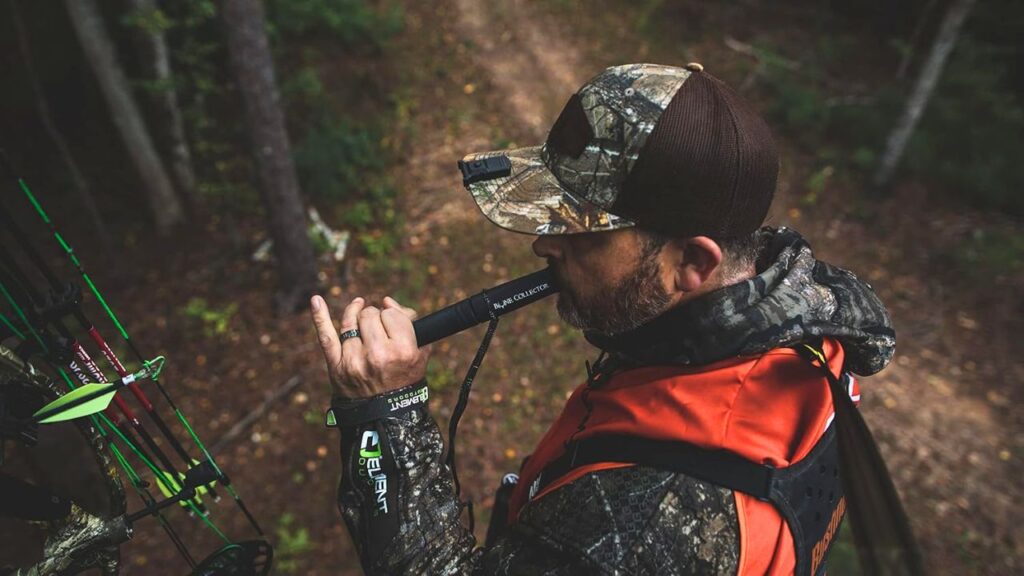
Calling during evening hunts often does more harm than good. Grunts, bleats, or rattles can work, but if a deer’s already staging or cautious, loud calls spook more than they attract.
Even worse, if the wind’s wrong or you’re calling from an open spot, deer swing downwind to check it out—and bust you before you ever see them. If you’re gonna call in the evening, it better be subtle, well-timed, and wind-safe.
Fidgeting During Prime Movement

The last 45 minutes of daylight is the wrong time to scratch your face, dig through your pack, or adjust your gear. Deer are close, watching, and filtering in. Movement gets picked off instantly.
Even if you don’t hear them blow out, they lock up, shift trails, or hold back in cover. The guy who sits dead still from 5 p.m. on kills deer the fidgety guy never even sees.
Having a Bad Exit Plan

Evening hunts don’t end when the sun drops—they end when you get out clean. If you stumble across the field with a flashlight, slam your truck door, or blow through bedding on the way out, you’ve trashed that spot for tomorrow.
Smart hunters wait until deer clear the area. Some let them feed off naturally. Some bump them carefully in a non-threatening way. Either way, walking right into the herd at dark guarantees the next hunt’s already blown.
Hunting the Same Spot Over and Over

If you’re sitting the same evening stand every afternoon, deer figure it out fast. The first sit might be fire. The third? You’re watching squirrels.
Deer pattern pressure fast, especially near food. Rotate stands. Hunt fringe spots. Let hot stands cool. The guy who mixes it up fills tags. The guy who camps one tree watches it go cold before Halloween.

Leo’s been tracking game and tuning gear since he could stand upright. He’s sharp, driven, and knows how to keep things running when conditions turn.