Three passengers die from rare person-to-person Andes hantavirus on South American cruise ship
Three passengers on a South American expedition cruise have died after contracting Andes hantavirus, a rare infection that can spread from person to person and cause severe lung failure. Health investigators now link the cases to a cluster of illnesses on the same ship, raising difficult questions about how prepared cruise operators and public health systems are for unusual pathogens that do not behave like the viruses that dominated the last pandemic.
What happened
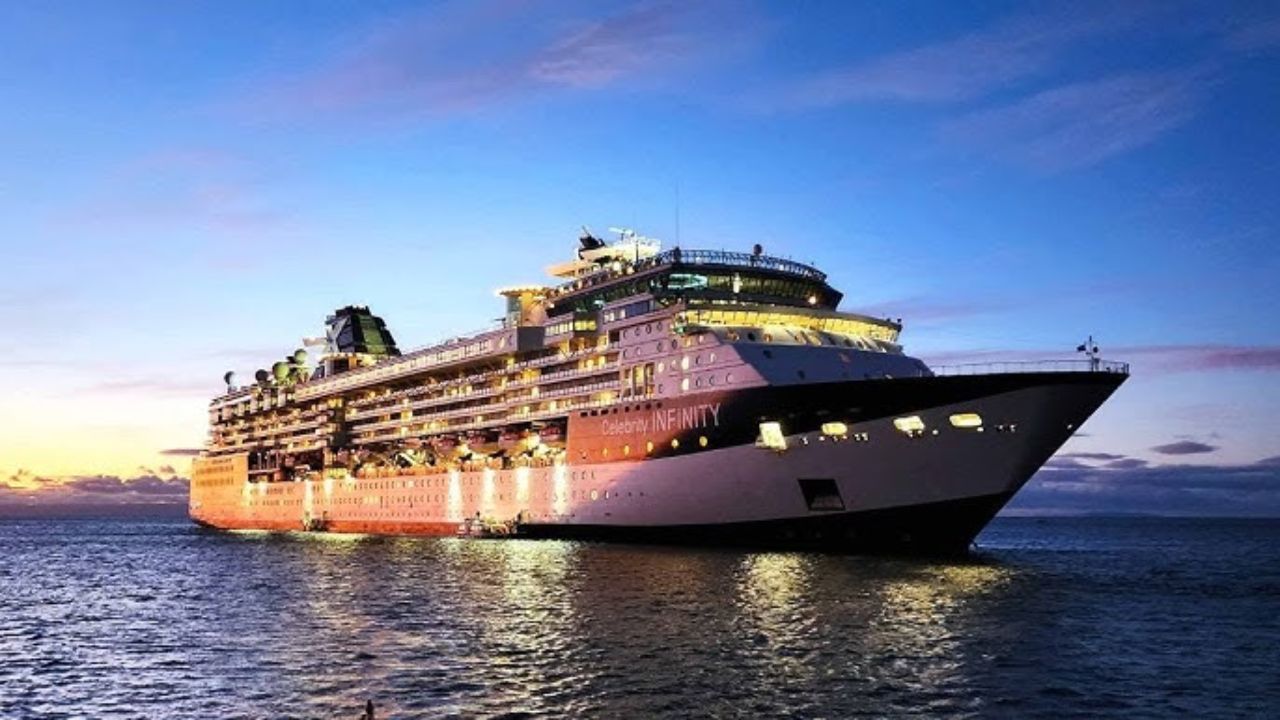
The outbreak centers on the Hondius, a small expedition vessel that sailed from the Chilean port of Puerto Montt toward Patagonia and the Antarctic region earlier this year. According to international health officials, at least eight people associated with the voyage have been sickened with suspected or confirmed infection by the Andes strain of hantavirus, and three of them have died after developing life threatening respiratory disease.
Investigators have traced the first known fatality to a passenger who fell ill during or shortly after the cruise and later died in a hospital in the United States. That death triggered notification of authorities and a wider search for other cases among travelers and crew who had been on the Hondius itinerary that passed through southern Chile and Argentina. Public health agencies then identified additional patients in several countries who had overlapping travel histories and compatible symptoms, including fever, gastrointestinal problems, and rapidly worsening shortness of breath.
Laboratory testing confirmed that the virus involved is the Andes strain, a hantavirus carried by wild rodents in parts of South America. The official alert from the U.S. Centers for Disease Control and Prevention states that three people linked to the cruise have died and that several others required intensive medical care. The notice also explains that close contacts of confirmed patients, including household members and intimate partners, are being monitored because this particular strain has a documented ability to spread directly between people.
Passengers began to learn about the situation only after the first death was reported. Some travelers were told that another guest had been hospitalized with a serious infection, while others received follow up messages from tour operators and health agencies urging them to seek care if they developed symptoms in the weeks after disembarkation. Reporting from Chile and Europe describes how dozens of passengers were allowed to leave the ship after the initial fatality, then faced a confusing mix of reassurances and warnings as the scope of the cluster became clearer.
Authorities in Chile, where the Hondius had operated, launched an investigation into possible exposure sites on land as well as on board. Rodent droppings and other environmental clues are being examined in areas where passengers hiked or camped during shore excursions. At the same time, teams are interviewing crew members about cleaning practices, food storage, and how illnesses were handled during the voyage. The pattern of who became sick, and when, will be central to deciding whether the virus was acquired from infected rodents on shore, spread between people on the ship, or both.
The basic facts of the cluster have now been confirmed by multiple health agencies. At least eight people with epidemiologic links to the cruise have been identified, according to specialist tracking of emerging infections. Three of those patients have died. Others remain under follow up, and additional cases are possible because the incubation period for Andes virus can stretch to several weeks.
Why it matters
Most hantaviruses that infect humans do not pass directly from person to person. People typically become sick after inhaling aerosolized particles from rodent urine, droppings, or saliva in cabins, barns, or other enclosed spaces. The Andes strain is different. It has repeatedly been associated with chains of transmission among family members, romantic partners, and health care workers who had close contact with infected patients. That history is what makes this cruise ship cluster so significant.
Public health officials stress that the overall number of cases is small, and there is no sign of sustained community spread beyond those with direct links to the voyage. Even so, experts describe Andes virus as one of the few known hantaviruses with clear person to person potential, which raises concern whenever it appears in crowded or mobile settings. A detailed account of the notes that cabins, shared dining areas, and tight corridors on a ship can bring people into prolonged, close contact, which is exactly the type of exposure that has been linked to transmission in past outbreaks in Argentina and Chile.
The cruise setting also revives memories of the early months of Covid-19, when ships such as the Diamond Princess became symbols of how quickly respiratory viruses can move through confined environments and then seed cases around the world. Although Andes virus behaves very differently from SARS-CoV-2 and is far less contagious, the Hondius cluster illustrates how global travel can help a rare pathogen leap across borders in a matter of days. Passengers from Europe, North America, and other parts of Latin America all shared the same voyage, then returned home before anyone realized a dangerous virus was in their midst.
Health authorities are particularly focused on the fatality rate associated with Andes hantavirus. Historical data from South American outbreaks suggest that between one third and one half of infected patients may die, often despite intensive care. In the current cruise-linked cluster, three deaths among at least eight known cases roughly match that pattern, though the final numbers could shift as more information emerges. That severity makes early recognition and supportive treatment vital, yet the initial symptoms can resemble far more common illnesses such as influenza or Covid-19.
Investigators are also examining how quickly the ship and tour operators notified passengers and health agencies. Some travelers told reporters that they were not informed about a possible hantavirus exposure until after they had already flown home and resumed normal life. Others said they received conflicting guidance about whether to isolate or simply monitor for fever and respiratory symptoms. According to one detailed reconstruction of events, passengers disembarked in Chile and then in European ports with minimal screening, even after the first death had been linked to the voyage.
For cruise companies, the incident highlights the challenge of balancing adventure tourism with biosafety. Expedition itineraries that promise close encounters with remote wildlife and wilderness also bring guests into the habitats of rodents and other disease reservoirs. Operators will now face renewed scrutiny over how they assess environmental risks, train guides to spot potential hazards, and communicate with travelers when a rare infection is suspected. Public health agencies, for their part, are reviewing whether existing guidance for cruise ships, which was largely shaped by gastrointestinal outbreaks and Covid-19, adequately covers pathogens like hantaviruses that are primarily rodent borne but occasionally spread between people.
The episode has already prompted fresh public anxiety about the possibility of another global health crisis. Infectious disease specialists emphasize that Andes virus is unlikely to cause a pandemic on the scale of Covid-19, given its mode of transmission and the need for close contact. Still, the combination of high mortality, person to person spread, and international travel has led some experts to describe the Hondius cluster as a warning about how quickly an unusual pathogen can test surveillance systems. Coverage that frames the outbreak as a potential new threat, including analysis of the, reflects that unease.
What to watch next
The immediate priority for health authorities is to identify any remaining passengers or crew who might have been exposed and ensure they know what symptoms to watch for. The CDC alert recommends that anyone who was on the affected voyage and develops fever, muscle aches, abdominal pain, vomiting, or shortness of breath within six weeks of travel should seek medical care and mention their possible contact with Andes virus. Clinicians are being urged to consider hantavirus pulmonary syndrome in patients with compatible symptoms and relevant travel history, even if initial tests for more common respiratory infections are negative.
Leo’s been tracking game and tuning gear since he could stand upright. He’s sharp, driven, and knows how to keep things running when conditions turn.