

Why some laws are confusing even experienced hunters
If you’ve hunted long enough, you’ve probably caught yourself second-guessing a regulation that didn’t sit right. It’s not always because you missed something. A lot of hunting laws are written in a way that leaves room for interpretation, and that’s where even seasoned hunters can get tripped up.
You’re dealing with a patchwork of state rules, federal oversight, and local nuance that doesn’t always line up clean. Add in changing seasons, shifting wildlife numbers, and enforcement differences, and it gets muddy fast. Here’s where that confusion usually comes from—and why it sticks around.
State Lines Change the Rules More Than You Expect
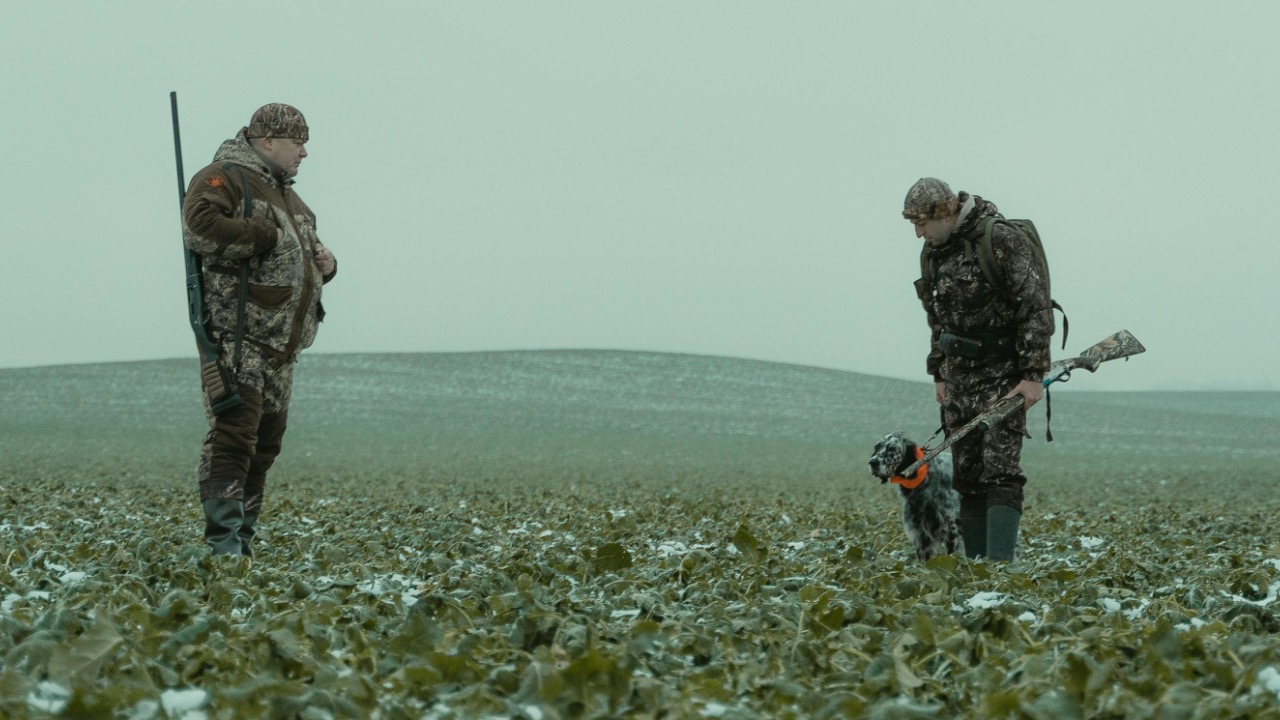
You cross a state line, and the rulebook can flip on you faster than you think. What’s legal in one place might get you cited a mile down the road. Bag limits, tagging requirements, and even what qualifies as legal equipment can shift without much warning.
That becomes a problem when you hunt multiple states or travel for a season. You carry habits with you, and sometimes those habits don’t match local law. It’s not carelessness—it’s familiarity working against you. The more ground you cover, the more you have to double-check details that used to feel automatic.
Legal Language Isn’t Written for Hunters
A lot of regulations aren’t written the way hunters talk. They’re written in legal terms, and that creates a gap between what the rule says and how you understand it in the field.
You might read a line three times and still not be sure how it applies to what you’re doing that morning. Words like “take,” “possession,” or “method of harvest” can carry specific meanings that aren’t obvious at first glance. That disconnect is where mistakes happen—not because you ignored the law, but because it wasn’t clear to begin with.
Seasons and Units Don’t Always Line Up Cleanly
On paper, seasons look straightforward. In reality, they’re often broken down by zones, units, weapon types, and species distinctions that overlap in confusing ways.
You might be in one unit where rifle season is open, while the next ridge over falls under a different timeline or restriction. Add in draw tags, special permits, and varying dates for public versus private land, and it gets complicated fast. It’s easy to think you’re in the clear when you’re actually a few hundred yards off from where you need to be.
Technology Has Outpaced the Regulations
Modern hunting gear moves faster than the laws that govern it. Trail cameras, rangefinding scopes, thermal optics—these tools raise questions that older regulations never had to address.
Some states allow certain technologies, others restrict them, and a few sit in a gray area that isn’t clearly defined. You can find yourself using equipment that’s legal in one context but questionable in another. That gray space leaves you guessing, especially when regulations haven’t caught up with what’s actually being used in the field.
Federal and State Rules Overlap
When federal land or migratory species are involved, you’re not dealing with one set of rules—you’re dealing with two. State regulations still apply, but federal guidelines can layer on top of them.
That overlap isn’t always obvious when you’re planning a hunt. You might follow your state’s regulations to the letter and still miss a federal requirement tied to land use or species protection. Waterfowl hunters run into this more than most, but it can affect anyone depending on where and what you’re hunting.
Definitions of “Legal” Equipment Can Be Narrow
You might think your setup is fine because it works and it’s common, but the law often defines “legal” equipment in very specific terms. Caliber restrictions, magazine limits, and ammunition types can all come into play.
Those details can vary by species and season. A rifle that’s legal for deer might not be allowed for elk in the same state. The differences aren’t always obvious unless you’re looking closely. It’s easy to assume you’re covered when your gear falls just outside the written limits.
Tagging and Reporting Rules Trip People Up
Filling a tag sounds straightforward until you’re doing it in the field, under pressure, with different rules depending on where you are. Some states require immediate tagging, others allow a window, and a few have moved to digital systems that change the process entirely.
Then there’s reporting. Deadlines, methods, and required details can vary more than you’d expect. Miss a step or a timeline, and you’re out of compliance even if the hunt itself was clean. It’s not the hard part of hunting—but it’s where a lot of guys slip.
Local Enforcement Can Vary
Even when the law is written clearly, how it’s enforced can feel different depending on where you are. Game wardens have discretion, and they’re working in real-world conditions that don’t always match the book.
One officer might give a warning where another writes a citation. That doesn’t mean the rules change, but it can affect how confident you feel about interpreting them. Over time, that variation feeds uncertainty, especially when you hear different stories from different areas.
Regulations Change More Often Than You Think
You can hunt the same ground for years and still get caught off guard by a rule change. Wildlife agencies adjust seasons, limits, and methods regularly based on population data and management goals.
If you’re not checking updates every season, you’re relying on last year’s knowledge—and that’s where trouble starts. The changes aren’t always major, but even small adjustments can affect what’s legal. Staying current takes effort, and a lot of hunters assume more stays the same than actually does.
Gray Areas Leave Room for Interpretation
Some rules are clear. Others leave space that isn’t fully defined, and that’s where confusion sticks. Situations like baiting distance, what counts as harassment of wildlife, or how close is too close to a roadway can fall into that gray zone.
You might be acting in good faith, trying to stay within the spirit of the law, but still not be sure how it reads on paper. That uncertainty doesn’t come from a lack of experience—it comes from rules that don’t always spell things out in a way that matches real conditions in the field.

Asher was raised in the woods and on the water, and it shows. He’s logged more hours behind a rifle and under a heavy pack than most men twice his age.


