Top 10 most dangerous Caribbean islands
Travelers often picture the Caribbean as a postcard of turquoise water and easygoing beach towns, but safety risks across the region vary sharply from island to island. Crime patterns, hurricane exposure, infrastructure gaps, and health care capacity all shape how dangerous a destination can be, especially for visitors unfamiliar with the local terrain.
Ranking the ten riskiest islands means looking beyond reputation and weighing violent crime, natural disasters, road safety, and access to emergency help. The result is not a blacklist, but a reality check on where hazards are highest and what that means for anyone planning a trip or an investment.
What happened
Recent comparative studies of Caribbean safety have tried to quantify risk across the region, using metrics such as homicide rates, robbery, and assault, along with disaster exposure and medical capacity. A widely cited ranking that ordered ten islands from most to least safe placed destinations with lower crime and stronger health systems at the top, while islands with higher violence and weaker infrastructure clustered at the bottom, effectively creating a list of the most hazardous spots for travelers and expatriates. One such assessment of regional security and health care identified significant gaps in policing, emergency response, and hospital coverage on several islands that already struggle with high crime.
These same studies, which often feed into insurance and relocation guidance, sit alongside travel-focused comparisons of the safest Caribbean islands. Taken together, they highlight a clear group of outliers on the other end of the spectrum, where visitors face elevated risks of robbery, carjacking, and violent assault, especially in capital cities and port areas. Unverified based on available sources which specific islands top the danger list, but the pattern is consistent: smaller economies with entrenched inequality and limited tourism oversight tend to appear in the highest risk tier.
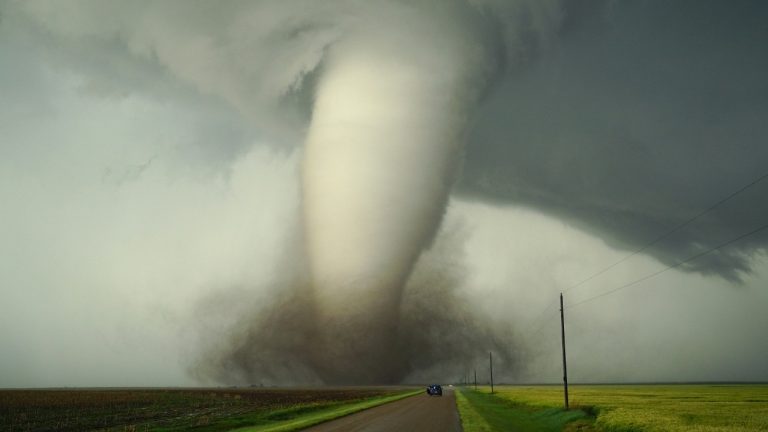
Natural hazards add another layer. The Caribbean sits in a hurricane corridor that has produced some of the most destructive storms on record, and several of the islands that already struggle with crime also lie in the direct path of the strongest systems. Historical records of the region’s worst storms show that repeated hits from Category 4 and Category 5 hurricanes can cripple power grids, overwhelm hospitals, and disrupt policing for months. Visual histories of major Caribbean hurricanes illustrate how entire islands have been left without reliable shelter, transport, or communications after a single landfall.
Storm intensity data backs this up. Lists of the most powerful hurricanes ever recorded feature multiple Caribbean systems that reached sustained winds above 150 miles per hour and caused tens of billions of dollars in damage. Several of those storms tracked directly across densely populated islands, turning already fragile security and health systems into full-blown emergencies. When those islands also register high rates of violent crime, the combined risk for visitors and residents rises sharply.
Media coverage aimed at everyday travelers has started to reflect this reality. Guides that flag the safest destinations for tourists from places like Louisiana often contrast low-crime islands with nearby territories where gang violence and armed robbery are more common. At the same time, travel safety explainers that compare the safest and most dangerous islands in the region describe specific urban districts where visitors are urged to avoid walking after dark, using unlicensed taxis, or carrying visible jewelry and electronics.
One regional analysis that ranked ten Caribbean islands from most to least safe, based on crime statistics and traveler reports, highlighted how even popular cruise ports can sit within countries that struggle with homicide rates far above global averages. The study, which was summarized in a ranked list, underscored that a glossy resort zone does not erase risks in surrounding neighborhoods, especially when local law enforcement is underfunded.
Additional travel reporting has identified particular cities within the Caribbean that account for a disproportionate share of robberies and assaults against visitors. Lists of the most dangerous cities in the region repeatedly point to port capitals and large urban centers where gang activity, drug trafficking, and firearm availability intersect. In several cases, these cities sit on islands that also appear near the bottom of broader safety rankings, reinforcing their position among the most dangerous destinations.
Why it matters
Understanding which Caribbean islands carry higher risk is not about fear, it is about informed choice. The region depends heavily on tourism, and travelers who arrive with unrealistic expectations can end up in situations that local authorities are not equipped to manage. When visitors do not grasp that a short walk from a resort could lead into a high-crime district, they are more likely to become targets for theft or assault.
Insurance and health care are part of the equation. Safety rankings that focus on expatriates and long-stay visitors emphasize the importance of reliable hospitals, medevac options, and access to specialists. Islands that fall into the dangerous category often combine higher violent crime with limited intensive care capacity, which can turn a road accident or storm injury into a life-threatening event. Comparative guides to regional safety and health care, such as the contrasting of safest, consistently stress that travelers should factor medical infrastructure into destination choices.
Natural disasters magnify these vulnerabilities. When a powerful hurricane hits an island that already struggles with policing and hospital capacity, the result can be prolonged breakdowns in basic services. Historical accounts of catastrophic storms show how looting, fuel shortages, and blocked roads can persist long after the eye passes. On islands that appear in the top tier of danger rankings, those post-storm conditions can push crime higher, especially if residents lose income and supplies.
For local governments, being labeled among the most dangerous islands carries real economic consequences. Cruise lines and tour operators weigh security assessments when deciding which ports to prioritize, and negative safety perceptions can divert traffic to nearby competitors that score better on crime and disaster readiness. That, in turn, can deepen the very economic pressures that contribute to violence.
Residents feel the impact most directly. High homicide rates and frequent robberies affect daily life long after tourists leave. When international rankings spotlight the problem, they can create pressure for reforms in policing, judicial systems, and social programs. At the same time, if those lists are treated as static verdicts rather than snapshots, they can unfairly stigmatize communities that are working to improve safety.
For travelers, the practical takeaway is not to avoid the Caribbean, but to match destinations with risk tolerance and preparation. Visitors who prioritize low crime and strong infrastructure can lean toward islands that appear near the top of safety rankings, while those who choose higher risk islands should invest in better travel insurance, stay in well-reviewed accommodations, and follow local guidance closely.
What to watch next
Several trends will shape how dangerous the Caribbean’s riskiest islands remain over the next decade. Climate change is expected to increase the intensity of Atlantic hurricanes, which could mean more frequent high-end storms tracking across already vulnerable territories. As records of the strongest historical systems show, even a single Category 5 landfall can set back infrastructure and policing for years, especially on smaller islands with limited budgets.
Regional cooperation on disaster preparedness and policing will be a critical factor. Joint training exercises, shared early warning systems, and coordinated evacuation planning can help reduce casualties when major storms approach. Likewise, information sharing about gang networks and trafficking routes can support local police forces that lack advanced investigative tools.
Tourism patterns are also likely to shift. As travelers pay more attention to rankings of safe and unsafe islands, destinations that invest in visible security, well-lit public spaces, and reliable transport may gain market share. The same studies that now highlight the most dangerous islands could, over time, document measurable improvements if governments commit to long-term reforms.
Data quality will matter. Current rankings often rely on limited or uneven crime reporting, which can understate risks in some places and exaggerate them in others. Efforts to standardize how islands collect and publish crime and disaster data would give travelers, insurers, and residents a clearer picture of progress or backsliding.

Leo’s been tracking game and tuning gear since he could stand upright. He’s sharp, driven, and knows how to keep things running when conditions turn.