Seven ways dogs show trust — and why not every owner sees the signs
Dogs rarely announce their feelings in ways humans instantly recognize. Trust, in particular, tends to show up in quiet routines, small body-language shifts, and habits that are easy to overlook or misread. When those signals are missed, owners can underestimate how safe and bonded their animals actually feel, or worry that a deeply attached dog is simply “clingy” or “spoiled.”
I want to unpack seven of the clearest ways dogs express trust, and why some people never notice them. From relaxed posture to how a dog sleeps, greets you, or even leans against your leg, each behavior has a logic rooted in canine instincts and learning. Understanding that logic can change how you respond, and it can also reveal when a dog’s silence is not trust at all but stress that needs attention.
Trust starts with a calm, loose body
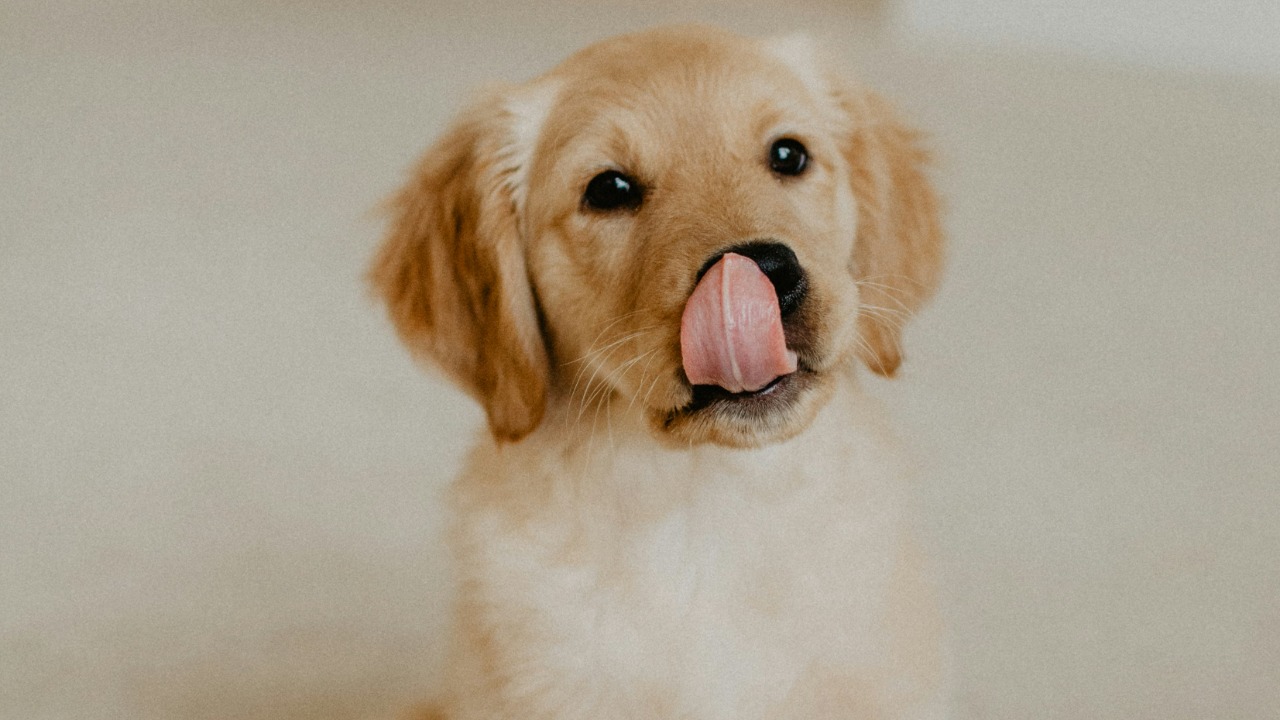
When a dog truly trusts the person in front of them, the first giveaway is often their posture. Instead of stiff legs, a tight mouth, or darting eyes, a trusting dog tends to move with loose, flowing motions, ears in a neutral position and eyes soft rather than staring. Several behavior guides describe this relaxed body language as one of the most telling signs of comfort and respect, noting that calm, unhurried movements signal that the dog does not feel the need to defend itself or constantly scan for threats, especially around its primary caregiver. That same idea appears in advice on how to read whether a dog respects you, which highlights a relaxed stance and easy tail carriage as a key indicator that the animal sees you as safe leadership rather than something to brace against.
Because humans are verbal, many owners focus on cues like barking or whining and miss the quieter physical details that matter more to dogs. One analysis of canine trust emphasizes that a neutral ear set, soft eyes, and a gently wagging tail, rather than a rigid or tucked one, are strong evidence that the dog is at ease in your presence, not just tolerating you. Another breakdown of “Signs Your Dog Really Does Trust You” points out that a dog who follows your lead with a loose gait and comfortable proximity is demonstrating familiarity and comfort, not submission in the harsh sense. I see this as the foundation for every other trust behavior in this story: if the body is tight, the trust is not there yet, no matter how affectionate the dog might seem in other moments.
Following you from room to room
One of the most common complaints I hear from owners is that their dog is a “shadow,” trailing them from the kitchen to the bathroom and back again. In many cases, that shadowing is not a problem to fix but a sign of deep attachment. Guides on how dogs show love describe “Following You Around” as a clear indicator that the animal wants to be near you and feels safe in your orbit, often looking up to you as their leader rather than simply a food source. Training resources on trust echo this, explaining that a dog who chooses to stay close, even when there is no obvious reward, is voting with their paws about where they feel most secure.
Of course, context matters. A dog that cannot cope when you leave the room may be dealing with separation-related stress rather than healthy loyalty. That is why I pay attention to how the dog behaves when it is following. If the gait is loose and the dog can settle when you sit, that aligns with the “Signs your dog trusts you” checklists that highlight calm proximity as a positive. If the dog paces, pants, or whines, it may be closer to the patterns described in videos on dogs that do not fully trust their owners, where clinginess is driven by anxiety. The difference is subtle, which is exactly why many owners misread a trusting companion as “needy” or, conversely, overlook anxiety because it looks like affection on the surface.
Soft greetings and “from the depths of their soul” reunions
How a dog greets you at the door can reveal more about trust than any obedience cue. Behavior explainers on canine affection describe dogs that “greet you with pure joy” when you come home, with whole-body wiggles and relaxed ears, as animals that love you from “the depths of their soul.” That kind of greeting is not just excitement, it is a ritual that says you are the safe person whose return restores their world to normal. Guidance on whether dogs miss their owners backs this up, listing cues like being “super excited to see you,” offering soft eye contact, and quickly settling once you are back as signs that the dog both missed you and trusts that you will keep coming home.
At the same time, not every dog expresses this with dramatic leaps or loud barking. Some simply walk over with a loose tail wag, lean briefly, and then go back to their bed. Articles on subtle respect behaviors note that listening to you, offering gentle eye contact, and staying near you without demanding constant touch can be just as meaningful as a wild welcome. Owners who expect fireworks may misinterpret a quieter dog as aloof, when in fact the animal is showing a calm, secure attachment that lines up with modern descriptions of canine respect and trust. I find that paying attention to whether the greeting ends in relaxation, rather than escalating into frantic pacing, is the clearest way to tell the difference.
Vulnerable positions: bellies, backs and sleep
For a species that evolved to sleep in packs and guard against predators, exposing the most fragile parts of the body is a serious statement. Behavior guides on canine affection explain that “Exposing their belly” by rolling over is a classic sign that a dog both trusts and loves you, because they are placing themselves in a vulnerable position where they cannot easily defend themselves. A separate breakdown of how “Dogs feel right at home” notes that dogs do not just ask for belly rubs from anyone, and that a pup who regularly flops over and exposes their belly in your presence is signaling that your hands and your space feel safe.
Even the way a dog chooses to sleep can carry the same message. Detailed explanations of why a dog might sleep with its back to you describe “Feeling Safe and Secure” as a core reason, pointing out that in the wild, dogs sleep in packs, often back to back, to protect each other from threats. When a dog curls up with its back pressed against you, those sources argue, it is effectively saying that it trusts you completely to watch over the environment while it rests. Owners sometimes misread this as the dog turning away in disinterest, when in reality the animal is using its body like a shield and inviting you into its inner circle.
Leaning, sitting against you and quiet contact
Not every dog is a cuddler, but when a dog chooses to lean or sit against you, that contact is rarely accidental. Guides on how dogs and cats show love describe “Leaning or Sitting Against You” as a way for a pup to claim you as their safe space, a behavior that signals trust, vulnerability and affection all at once. Photography advice that focuses on capturing real-life pet moments highlights the “soft way your dog rests against you” as one of those quiet details that seem ordinary in the moment but speak volumes about the bond, precisely because the animal is relaxed enough to let its weight go.
These small gestures are easy to overlook, especially if you are focused on more dramatic behaviors like jumping or licking. Yet training resources on trust list calm physical contact, such as a dog resting its head on your lap or leaning into your leg, as a strong indicator that the animal is showing affection and reliance on your presence. Broader checklists of “Signs your dog trusts you” also emphasize that dogs who use calm body language and choose to be physically close, without signs of tension, are demonstrating that they see you as a secure base. I see this as one of the reasons some owners underestimate their dog’s trust: if you are waiting for big displays, you may miss the quiet weight of a head on your knee that actually carries the deeper message.
Listening, following your lead and seeing you as a hero
Trust is not only about affection, it is also about whether a dog is willing to defer to you when it matters. Behavior explainers on respect point out that “Their Body Language Is Relaxed” and that listening to your cues is one of the clearest signs your dog respects you, because it shows they are comfortable letting you make decisions. Expanded versions of that guidance, which repeat that “Their Body Language Is Relaxed” as a key marker, stress that a dog that can stay calm while taking direction is not acting out of fear but out of confidence in your leadership.
Some reporting goes further and frames this as seeing you as a kind of hero. One analysis of how dogs view their favorite humans notes that “Dogs who see you as their hero” tend to follow you in moments of excitement or stress, seeking reassurance and looking to you for cues. Another breakdown of how dogs decide they can trust you emphasizes “Consistency in Behavior and Routine,” arguing that a dog judges whether you are trustworthy based on whether your reactions are predictable and calm over time. Training resources on “7 surefire signs your dog trusts you” add that a dog who is confident you will pay attention is more likely to check in with you and follow your lead. When owners miss these patterns, they may assume their dog is simply obedient or food motivated, when in fact the animal is making a sophisticated judgment about your reliability.
Handling, care tasks and the vet test
Few situations test a dog’s trust like grooming and medical care. Behavior guides on canine trust list “Care Tasks Are Stress-Free” as one of the clearest signs that a dog feels safe with you, noting that when nail trims, teeth brushing or ear cleaning can happen without major struggle, it suggests the animal believes you will not hurt them even when you are doing something uncomfortable. The same resource points out that a dog who allows you to touch sensitive areas, or who “wiggles the entire hind end” during positive interactions, is showing a level of vulnerability that does not exist when fear is in the picture.
Broader checklists of “Signs your dog trusts you” echo this, highlighting calm body language during handling as a key indicator. When a dog lets you lift a paw, check their mouth or guide them onto a vet scale without panicking, it is drawing on a history of experiences where your touch has been safe and predictable. At the same time, videos on “9 Signs Your Dog Doesn’t Fully Trust You” remind owners that resistance during care tasks can signal a lack of trust rather than stubbornness, especially if the dog shows other stress signals like lip licking or turning away. I find that many owners misinterpret this, assuming the dog is simply “difficult,” when in reality the animal is telling you that the trust account is overdrawn and needs to be rebuilt with slower, more positive handling.
When trust is missing: stress signals and misread behavior
Understanding how dogs show trust also means recognizing when it is not there. Training material on reactive dogs stresses that “Recognizing these signs early allows the owner to intervene,” listing behaviors like yawning, lip licking, turning the head away and sudden stillness as stress signals that are often misinterpreted as normal dog activity. When those signals appear around the owner, especially during handling or in crowded environments, they can indicate that the dog does not yet feel fully safe, even if it is otherwise affectionate at home.

Leo’s been tracking game and tuning gear since he could stand upright. He’s sharp, driven, and knows how to keep things running when conditions turn.