Armed Citizen Halts Massachusetts Shooting as Gun Law Battles Intensify Across US States
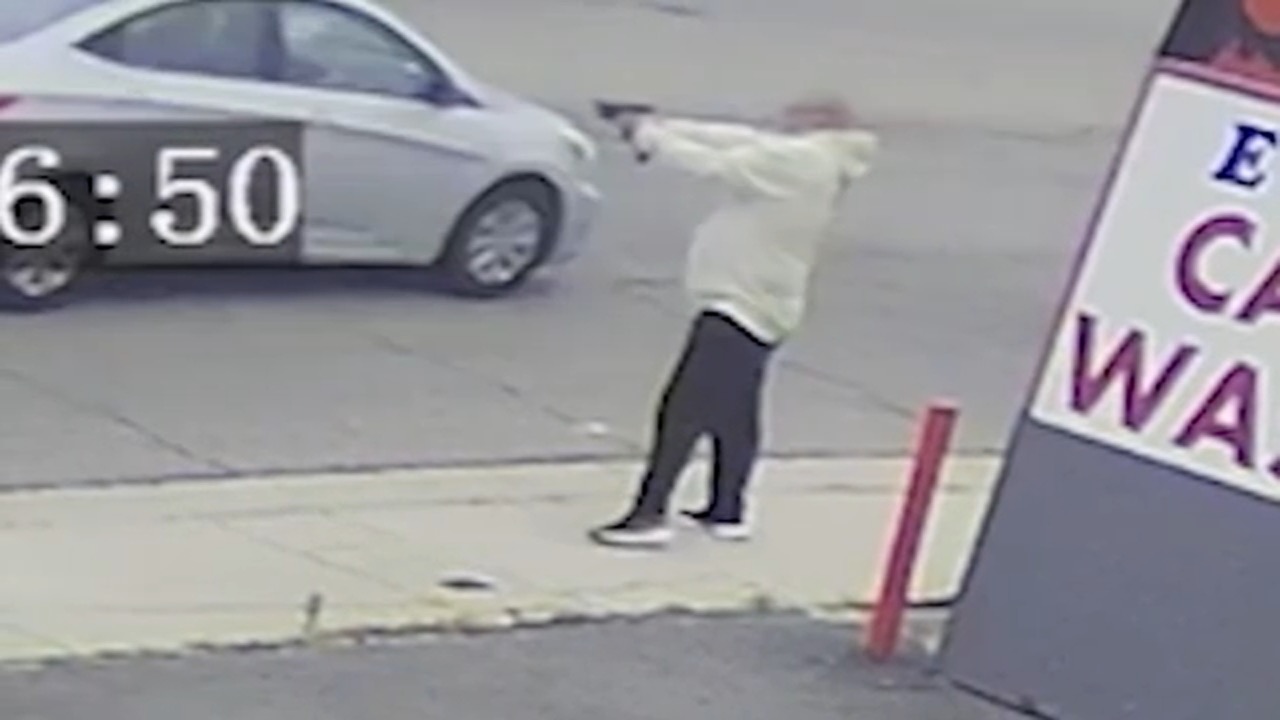
On a busy stretch of Memorial Drive in Cambridge last week, chaos broke out when a man with a rifle started firing at passing cars in broad daylight. Drivers abandoned vehicles and sought cover as dozens of rounds echoed along the Charles River. Two people suffered critical injuries. What ended the rampage involved more than just arriving officers: a licensed armed civilian joined a state trooper in confronting the shooter. This event, in one of the nation’s strictest gun-control states, has sharpened ongoing arguments about who carries firearms and how states balance restrictions with self-defense.
Chaos on Memorial Drive
Drivers froze or dove for safety as the gunman walked down the middle of the road, firing an assault-style rifle erratically at vehicles. Witnesses described rapid shots and people scrambling under cars. The incident unfolded quickly around 1 p.m., with 50 to 60 rounds discharged in a short time. Two men in separate cars took life-threatening wounds and were rushed to Boston hospitals. Panic spread along the busy roadway near Harvard and MIT.
Authorities responded fast once alerted. A state police trooper and the civilian reached the scene amid fleeing drivers. They moved toward the shooter, returned fire, and hit him multiple times in the extremities. The suspect, wounded, received treatment before custody. The episode lasted minutes but left lasting fear in a crowded area.
The Armed Civilian Steps In
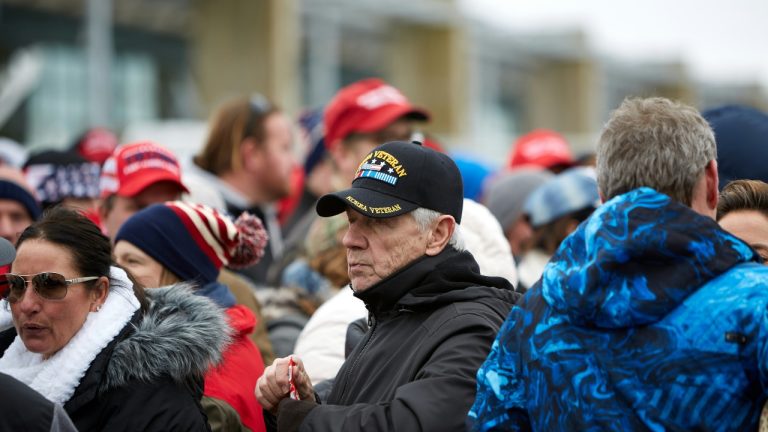
A Marine veteran with a valid Massachusetts carry license happened to be nearby and joined the trooper. Together they advanced on the shooter while others hid. One woman trapped in her car credited him directly with pulling open her door, creating cover, and urging her to run to safety. She later called him a hero who likely prevented more harm.
His actions drew praise from those at the scene even as details stayed limited. In a state where obtaining a carry permit remains difficult, his legal presence highlighted how prepared individuals can respond when threats emerge suddenly. Officials confirmed both the trooper and civilian fired, stopping the immediate danger.
Background of the Accused Shooter
Tyler Brown, 46, of Boston, faced charges including armed assault with intent to murder. He had a prior conviction for shooting at police officers in 2020 and served time before early parole release. Reports noted recent mental health issues and a parole officer contact shortly before the incident. His criminal record stretched back years, raising questions about supervision and release decisions.
Despite Massachusetts’ tight firearm restrictions, Brown allegedly obtained and used a rifle. Investigators continue examining how that happened. The case has prompted scrutiny of parole processes and mental health handling for people with violent histories. Brown appeared in court from his hospital bed as proceedings moved forward.
Strict Gun Rules in Massachusetts
Massachusetts maintains some of the toughest gun laws nationwide, with licensing requirements, restrictions on certain weapons, and background checks. Getting a carry permit demands demonstrating need and passing reviews, keeping legal civilian carry relatively rare. Proponents argue these measures limit access and reduce risks, yet the Cambridge shooting showed limits when prohibited individuals act anyway.
The event fuels debate on whether added layers of restriction work or if they leave law-abiding people more exposed. Local officials stress enforcement challenges, while others point to the armed civilian’s role as evidence that responsible carriers can fill gaps during active threats.
National Push and Pull on Firearm Policy
States continue splitting directions. Some tighten rules with assault weapon limits, waiting periods, and storage mandates. Others ease concealed carry or expand self-defense options. Courts weigh challenges under recent Second Amendment rulings, creating uneven rules across borders. The Cambridge case enters this mix as examples circulate of civilians intervening in violent encounters.
Lawmakers face pressure from both sides as data on violence rates and defensive uses get examined. No single approach satisfies everyone, but incidents like this keep the conversation alive about preparation, rights, and practical outcomes when shots start.
What Comes Next for Safety Debates
Public attention turns to investigations, court outcomes, and potential policy tweaks. The two wounded victims’ recoveries matter most, alongside accountability for the shooter. Broader talks may revisit parole standards, mental health support, and civilian carry in high-control states.
This episode underscores real-world complexities. When threats arise without warning, responses depend on people present at the moment. As states navigate their paths, the balance between prevention and immediate protection stays central.

Asher was raised in the woods and on the water, and it shows. He’s logged more hours behind a rifle and under a heavy pack than most men twice his age.