California farmer prepares to rip up nine-year-old peach trees worth $12,500 an acre after biggest buyer collapses
California’s Central Valley has long powered much of the nation’s canned fruit supply, with clingstone peaches serving as a staple crop shaped by decades of contracts and careful cultivation. When Del Monte Foods filed for bankruptcy and shuttered its canneries in Modesto and Hughson this spring, the fallout reached farms across Yuba, Sutter, and surrounding counties. Growers now face the prospect of tearing out mature orchards planted under long-term agreements that no longer hold.
The numbers tell a stark story: roughly 420,000 trees across about 3,000 acres stand at risk. Contracts once worth more than $550 million have evaporated, leaving producers without reliable buyers for a crop suited mainly for processing. What looked like stable business a few years ago has turned into a calculation of losses versus the cost of starting over.
Facing the Decision to Remove Trees
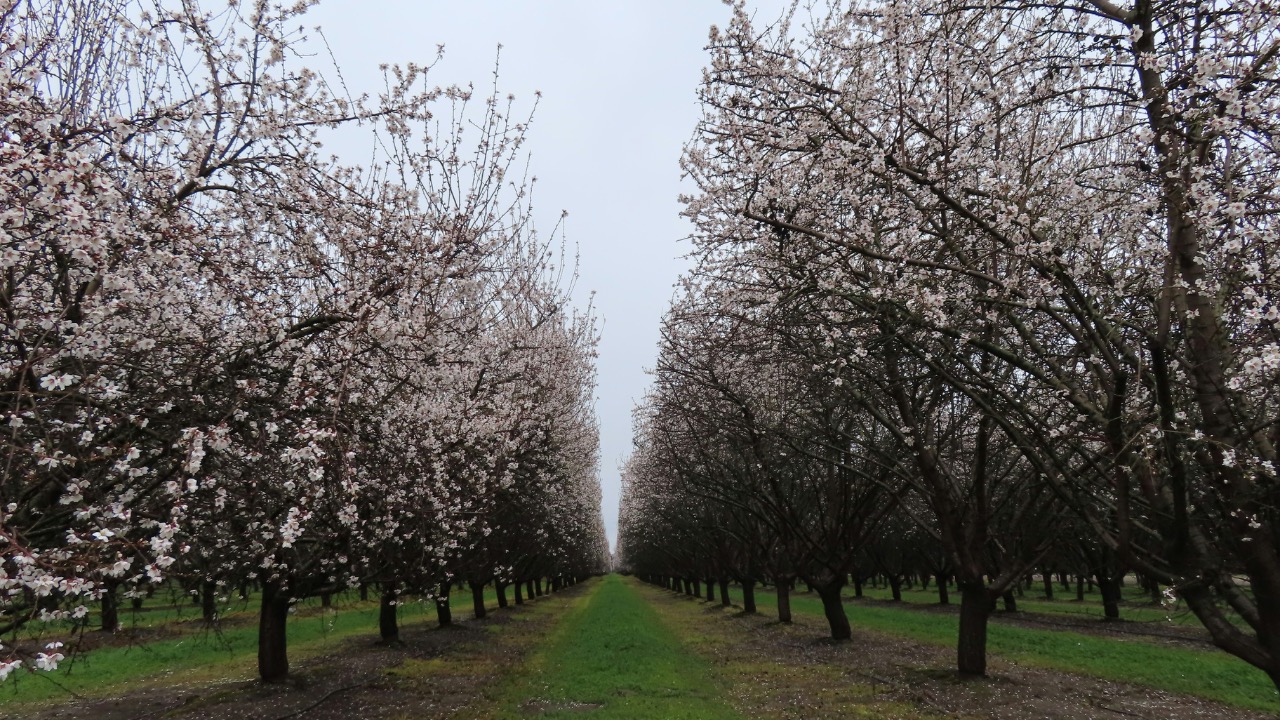
Sarb Johl tends land near Marysville where rows of Ross cling peach trees, some nine years in the ground, represent years of investment. With his biggest buyer gone, he weighs pulling them out against holding on in hopes of spot markets that may not cover costs. The work of pruning, irrigating, and protecting those trees through seasons now points toward removal crews and heavy equipment.
Other growers share similar calculations on properties that have supported families for generations. The trees reach productive age only after several years, so ripping them out resets the timeline entirely. Soil preparation, new plantings, and waiting for yields add up to difficult months ahead in a region already familiar with tight margins.
How the Contracts Shaped the Landscape
Many farmers signed 20-year deals with Del Monte in recent years, committing acreage specifically for cling peaches destined for cans. Those agreements locked in planting schedules and volumes that matched the company’s processing capacity in the Central Valley. When the canneries closed after the bankruptcy, the contracts lost their anchor.
The arrangement had worked for both sides until demand for canned goods shifted and operational pressures mounted. Growers expanded or replanted based on those promises, betting on continued partnership through 2044 in some cases. The sudden break leaves orchards without an obvious home in the supply chain.
The Dollar Value at Stake
Each acre of producing clingstone peaches carried an estimated value around $12,500 based on recent yields and pricing. Multiply that across hundreds of acres and the scale of potential revenue loss becomes clear for mid-sized operations. Fuel, labor, water, and equipment costs continue regardless, pressing farmers to act before another season passes without income.
Some have secured short-term deals with other processors like Pacific Coast Producers, but those cover only a fraction of what Del Monte once took. The gap forces tough choices between maintaining part of the orchard and clearing ground for different crops that might find steadier demand.
Federal Support and Its Limits
The U.S. Department of Agriculture has approved up to $9 million to help cover tree removal and assist with transitions to new plantings. California lawmakers, including Sen. Adam Schiff, pushed for the funding after hearing directly from affected growers. It provides a bridge, yet many see it as modest relative to the overall hit.
The money helps offset bulldozer work and initial replanting expenses, but it does not restore lost contracts or guarantee markets for alternative crops. Growers must still navigate water allocations, changing weather patterns, and buyer preferences in a competitive agricultural economy.
What Comes Next for Valley Growers
Fourth-generation farmers like those in Live Oak and Marysville now survey land that once flowed with peach harvests and consider almonds, walnuts, or other fruits. The switch requires new knowledge, equipment adjustments, and time before returns appear. Not every acre suits the change equally.
The situation underscores how dependent certain regions remain on single large buyers for specialty crops. As processors consolidate or exit, Central Valley agriculture adapts through a mix of aid, innovation in marketing fresh sales, and plain persistence. The orchards coming out this year will give way to whatever proves viable tomorrow.

Asher was raised in the woods and on the water, and it shows. He’s logged more hours behind a rifle and under a heavy pack than most men twice his age.